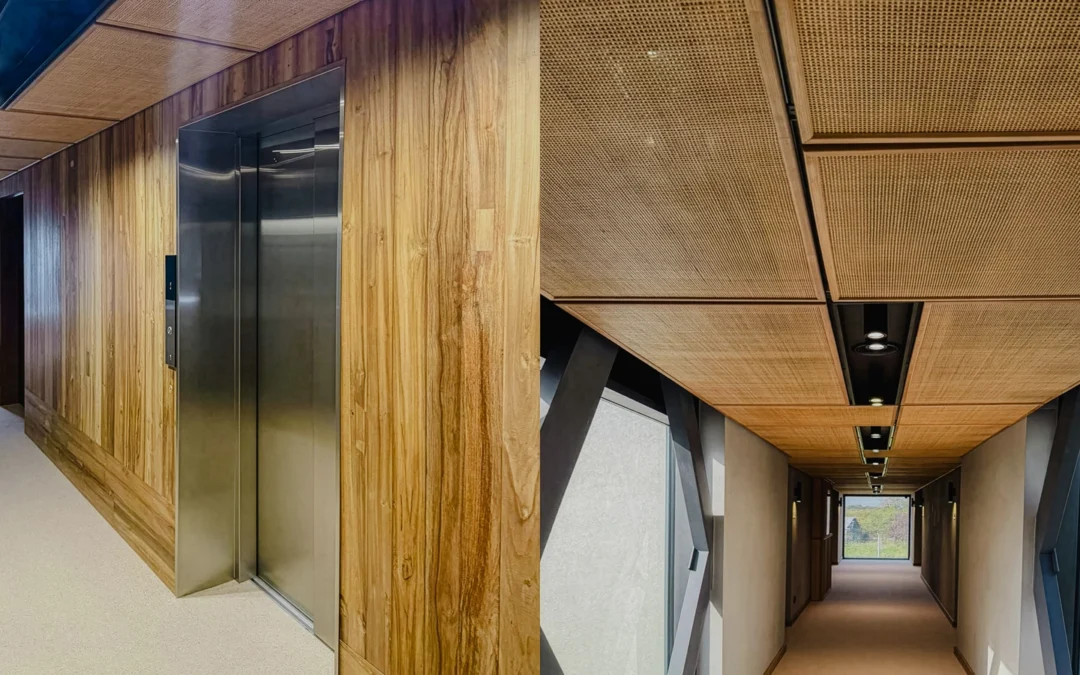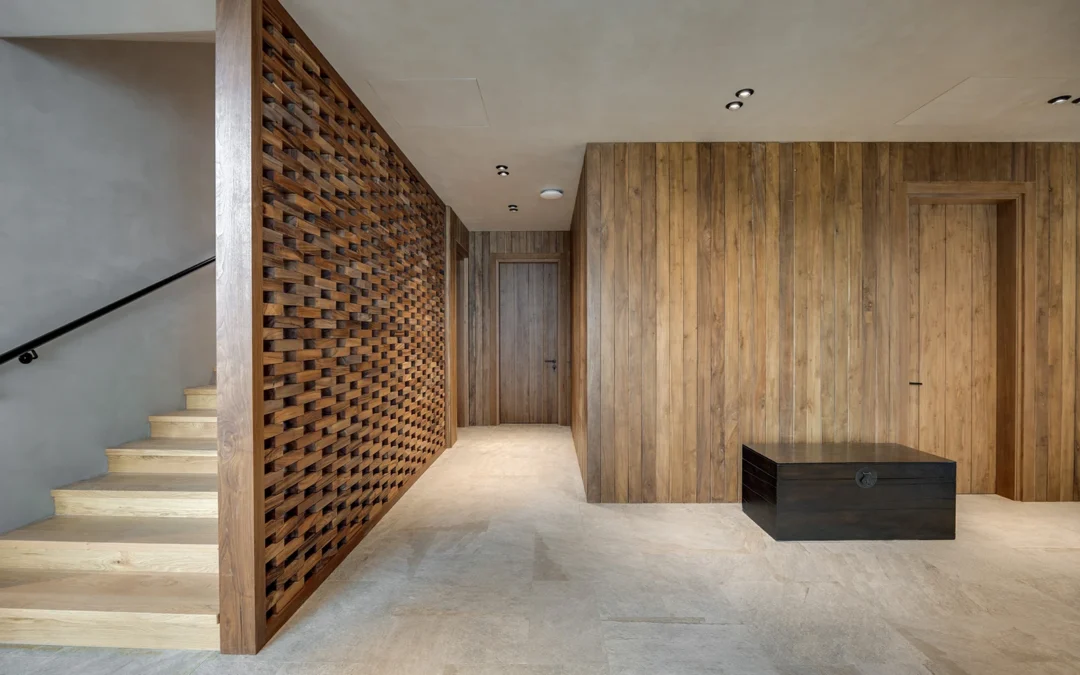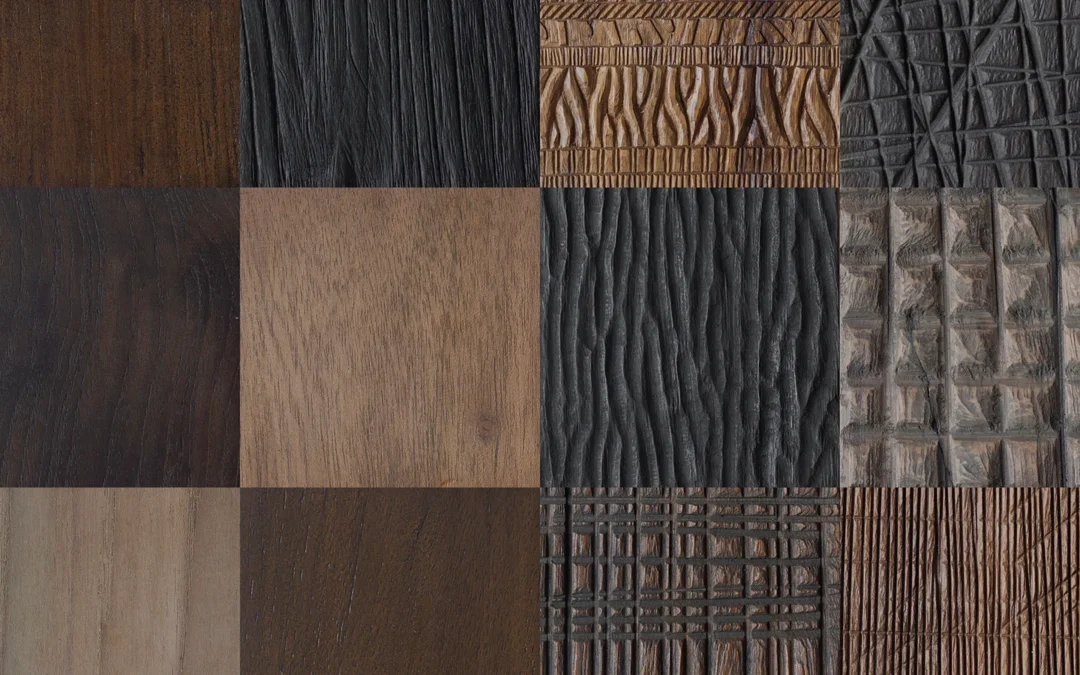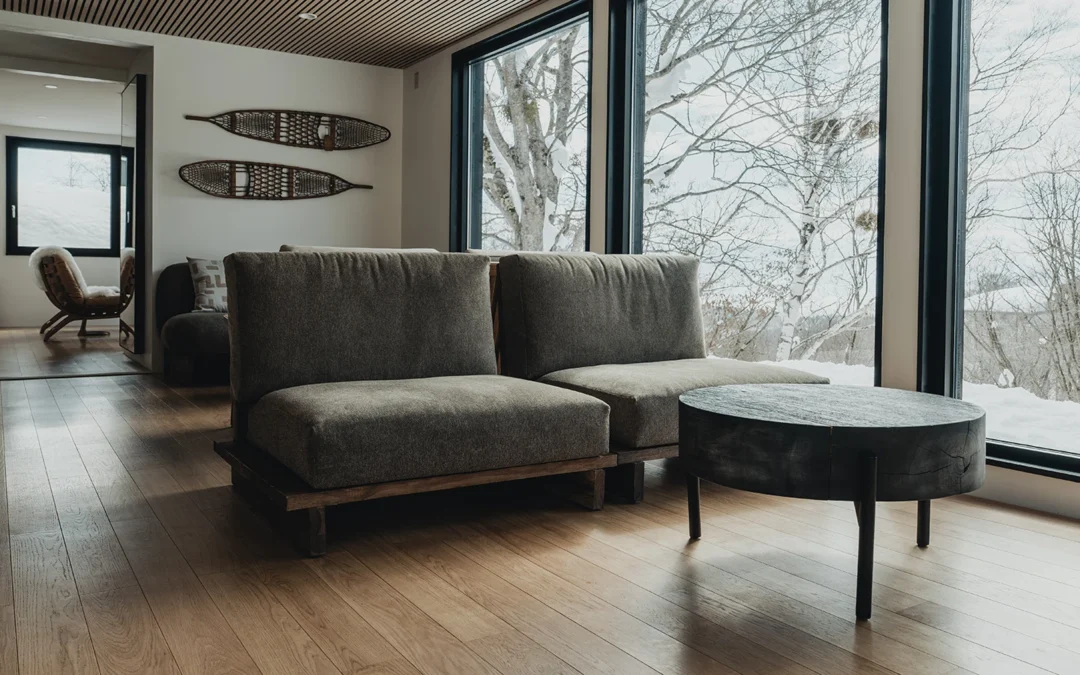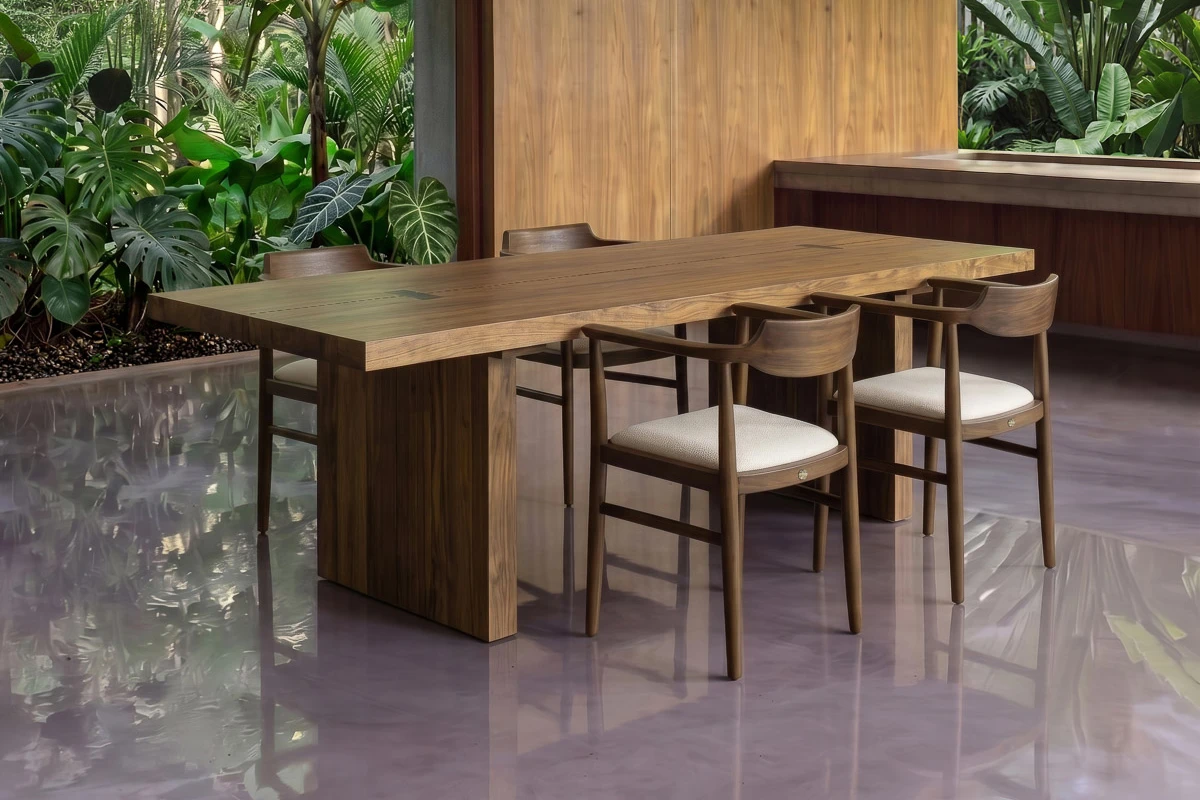
Australia has a strong appreciation for timber with history.
Recycled hardwood flooring, salvaged structural beams, old railway timbers, weathered boards and furniture made from recovered wood are already familiar elements within Australian architecture and interior design. Across residential, hospitality and commercial projects, reclaimed timber is valued for its character, durability and ability to keep existing materials in use.
Within this broader landscape, reclaimed teak offers a distinctive option.
It does not replace Australian reclaimed hardwoods, nor should it be presented as a direct alternative in every application. Instead, reclaimed teak adds another material language to the reclaimed timber category—one shaped by tropical architecture, Indonesian craftsmanship, natural durability and the recovery of teak from existing structures.
For Australian architects, designers and developers, the question is therefore not whether reclaimed teak is “better” than local reclaimed timber. The more useful question is where it fits, what makes it different and when it is the right material for a project.
Australia’s Established Reclaimed Timber Culture
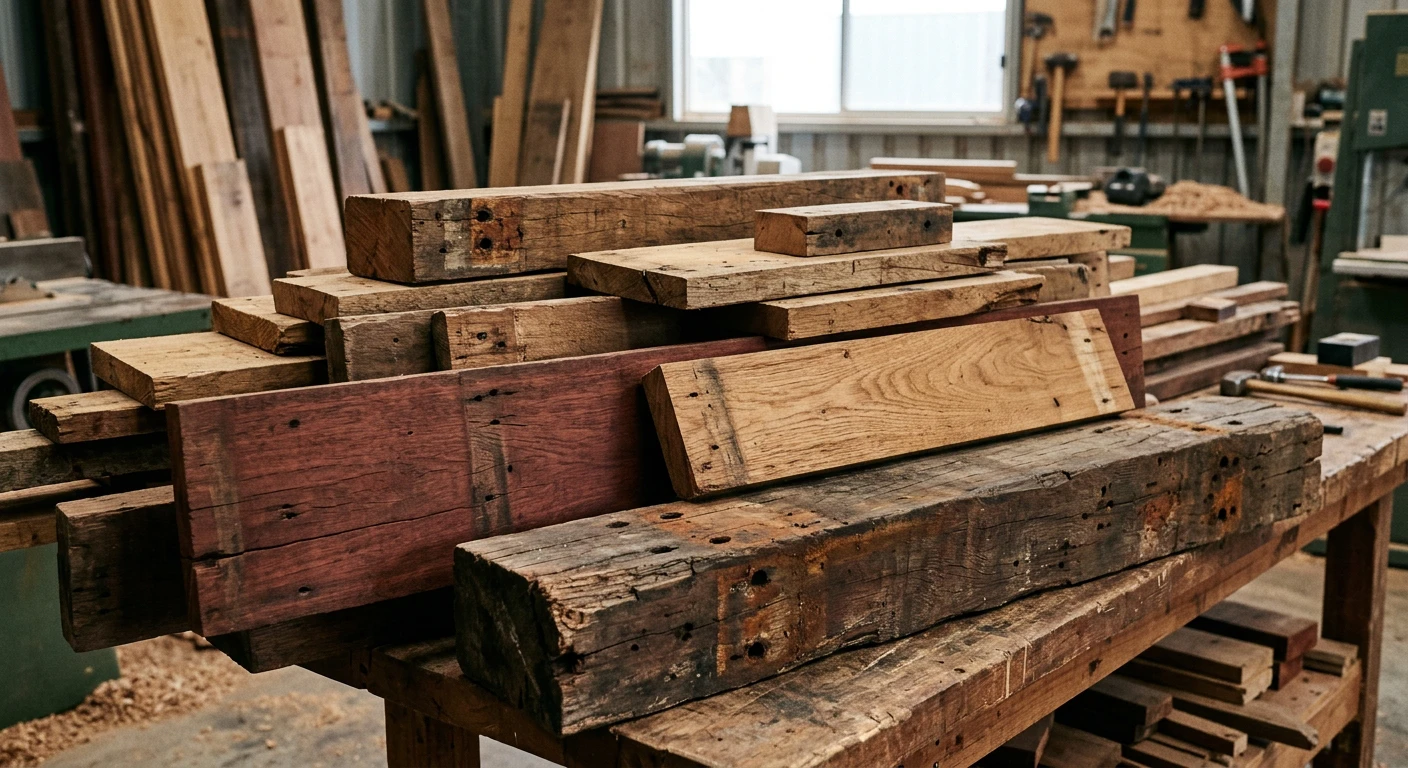
Reclaimed timber has long been used in Australian buildings and interiors.
Much of the available material comes from demolished houses, warehouses, bridges, agricultural buildings, factories and other older structures. Timber may also be recovered from wharves, railway infrastructure and deconstructed commercial buildings.
Depending on its source and condition, reclaimed Australian timber may be reused as:
- Flooring
- Structural beams
- Wall cladding
- Ceiling linings
- Stair treads
- Benchtops
- Dining tables
- Shelving
- Cabinetry
- Outdoor furniture
- Architectural features
Common reclaimed species can include jarrah, blackbutt, ironbark, spotted gum, messmate, tallowwood and other Australian hardwoods. Imported timbers, including Oregon and various tropical species, may also enter the reclaimed market after being recovered from older Australian buildings.
Each material reflects a different architectural history.
Jarrah may be associated with Western Australian buildings and industrial infrastructure. Recycled ironbark and spotted gum may carry the marks of heavy structural use. Messmate and other mixed hardwoods are often valued for their expressive colour variation and grain.
This diversity is one of the strengths of Australia’s reclaimed timber landscape.
What Does “Reclaimed Timber” Actually Mean?
Reclaimed timber is wood that has previously been used and has been recovered for another purpose.
It may come from a building, bridge, warehouse, boat, agricultural structure or piece of furniture. Once recovered, it can be cleaned, de-nailed, graded, dried, machined and transformed into a new architectural or furniture product.
The term is sometimes used interchangeably with “recycled timber”, although suppliers may use the terms differently.
It is also important to distinguish reclaimed timber from several related categories.
Reclaimed or recycled timber
This is timber recovered from a previous use and processed for use again.
Salvaged timber
This may refer to timber recovered from demolition, fallen trees, infrastructure or other sources before it is discarded. Depending on the supplier, salvaged timber may or may not have been previously used in a built structure.
Recycled wood products
These may include composite products made from wood fibre, sawdust, chips or offcuts rather than solid recovered timber components.
New timber with a reclaimed appearance
Some products are newly harvested but distressed, brushed, stained or weathered to imitate the appearance of older timber. These may achieve a similar aesthetic, but they are not reclaimed materials.
For environmentally conscious projects, understanding these distinctions is essential. A weathered appearance alone does not demonstrate that a material has been recovered or that its origin is known.
The Role of Australian Reclaimed Hardwoods
Australian reclaimed hardwoods are highly suited to projects seeking a strong connection to local material history.
They can provide:
- A direct relationship to Australian architecture
- Dense, durable material for demanding applications
- Distinctive grain and colour
- Opportunities for local recovery and processing
- A strong sense of place
- Visible evidence of previous structural use
In many projects, local reclaimed timber should be the first material considered—particularly where the design brief prioritises local sourcing, regional identity or reuse from the project’s own site.
For example, timber recovered during the renovation of an existing building may be reused as shelving, furniture or interior panelling. This keeps the material connected to the same property and preserves part of the building’s story.
Reclaimed Australian hardwood may also be appropriate for flooring, structural features and heavy architectural applications where locally available dimensions and grading are suitable.
How Reclaimed Teak Is Different
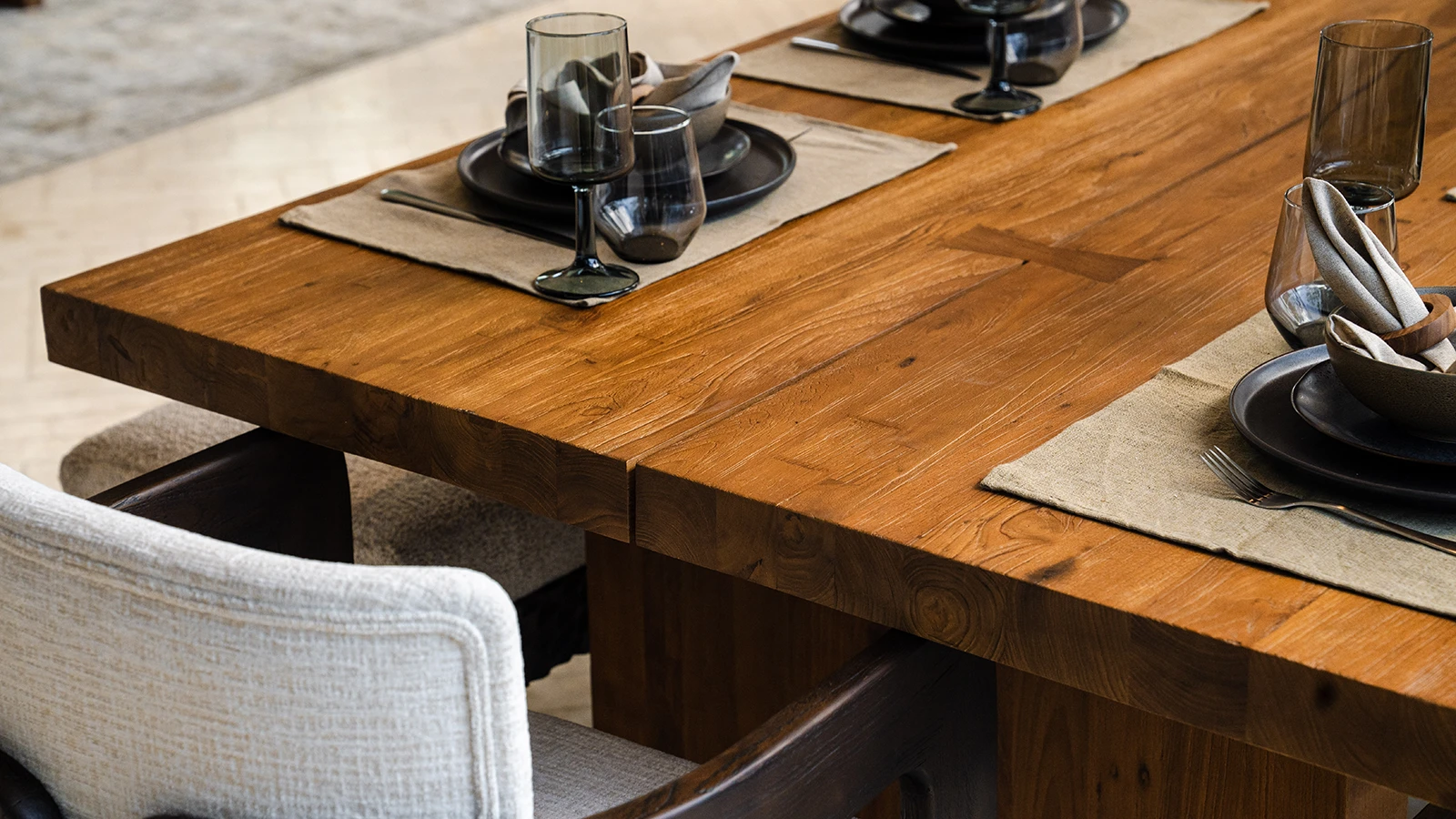
Reclaimed teak occupies a different position within the timber landscape.
Teak is a tropical hardwood traditionally valued for its durability, stability, natural oils and resistance to changing environmental conditions. It has been used throughout Southeast Asia in houses, public buildings, agricultural structures, bridges, boats and furniture.
When reclaimed from existing structures, teak can be carefully processed and repurposed into new furniture, cabinetry and architectural elements.
Its key differences include:
- A warmer, often more golden-brown colour palette
- A strong association with tropical and Southeast Asian architecture
- Natural suitability for furniture and joinery
- Good dimensional stability when properly prepared
- Distinctive ageing and surface character
- Availability through established Indonesian woodworking traditions
- Compatibility with indoor, outdoor and semi-outdoor settings
These qualities make reclaimed teak particularly relevant to Australian projects influenced by tropical modernism, indoor-outdoor living and natural material palettes.
Reclaimed Teak and the Australian Design Context
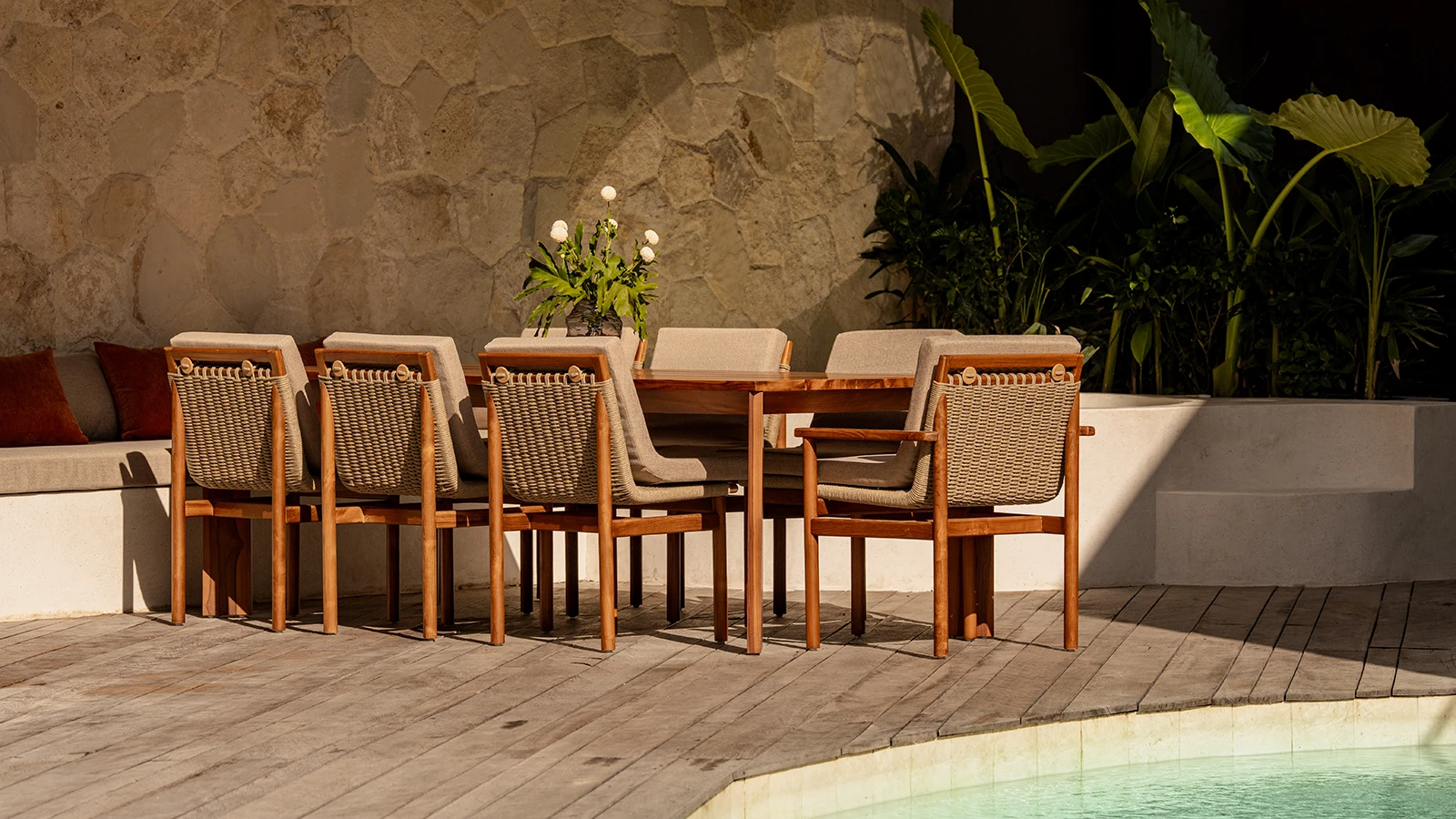
Australian architecture often places a strong emphasis on landscape, daylight, ventilation and the connection between indoor and outdoor areas.
Reclaimed teak fits naturally within this context.
It can work alongside:
- Natural stone
- Concrete
- Lime plaster
- Linen
- Rattan
- Stainless steel
- Bronze
- Neutral upholstery
- Textured ceramics
- Australian hardwood flooring
In coastal, tropical and contemporary residential projects, teak can introduce warmth without making the space feel overly rustic.
The material also suits hospitality environments where designers want to create a relaxed but refined atmosphere. Hotels, resorts, restaurants and wellness spaces can use reclaimed teak to establish a sense of material richness while maintaining a restrained architectural palette.
Local Timber Versus Imported Reclaimed Teak
The comparison between local reclaimed hardwood and imported reclaimed teak should not be reduced to a simple sustainability hierarchy.
Both can offer environmental benefits when genuinely recovered, carefully processed and used for a long time. Both can also raise questions that need to be examined.
For Australian reclaimed timber, relevant considerations may include:
- The original source of the material
- Whether it was recovered locally
- The energy used in processing
- The distance between recovery, manufacture and installation
- Structural grading where required
- The amount of usable material lost during processing
- Whether the timber is suitable for the intended application
For imported reclaimed teak, considerations may include:
- Proof that the timber is genuinely reclaimed
- Legal sourcing and documentation
- Chain-of-custody controls
- Transport and shipping
- Manufacturing conditions
- Timber moisture before export
- Product durability
- Whether the finished item can be repaired and maintained
Transport matters, but it is not the only environmental factor.
A poorly made local product that is replaced after several years may have a different long-term impact from a durable imported product designed to remain in use for decades. Likewise, importing reclaimed material does not automatically make a product sustainable if its source is unclear or its construction quality is poor.
The most credible evaluation considers the complete material and product life cycle rather than relying on a single claim.
Reclaimed Teak Should Complement Local Timber
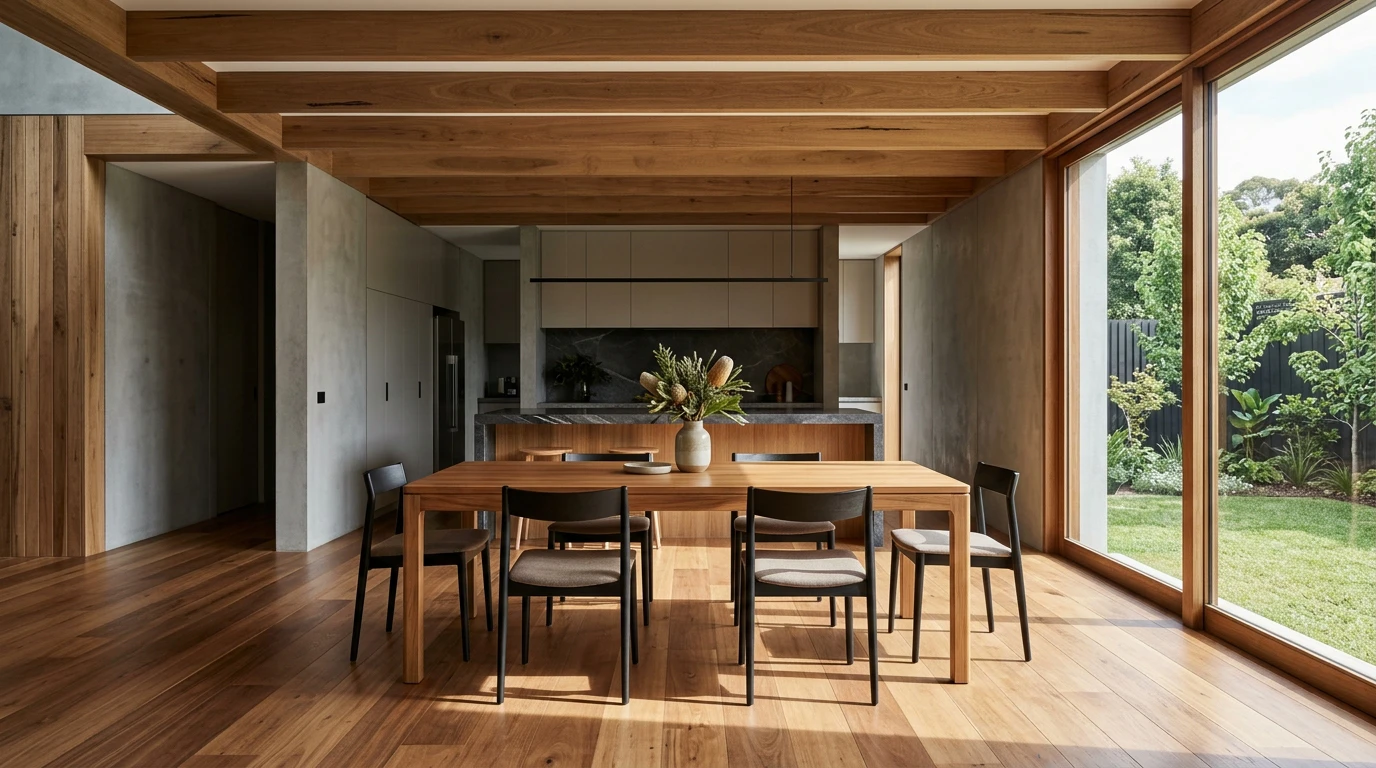
Reclaimed teak is strongest when positioned as a complement to Australia’s local reclaimed timber sector.
An Australian project might use reclaimed local hardwood for flooring or structural features while specifying reclaimed teak for furniture, vanities, cabinetry or outdoor pieces.
This approach allows each material to be used where its characteristics are most appropriate.
For example:
- Reclaimed blackbutt may be used for flooring.
- Recycled ironbark may become structural beams or stair treads.
- Reclaimed jarrah may be selected for a feature wall or bar top.
- Reclaimed teak may be used for dining tables, cabinetry or outdoor furniture.
Using several reclaimed materials carefully can create a layered interior that reflects both local context and broader craft traditions.
The key is visual discipline. The materials should share a coherent tone, finish or design language rather than competing with one another.
Applications Where Reclaimed Teak Performs Well
Custom furniture
Reclaimed teak is particularly well suited to custom furniture.
Its strength, grain and natural warmth can be expressed through dining tables, coffee tables, benches, consoles, sideboards and bedframes.
Larger pieces allow the natural variation of the wood to become part of the design. Rather than disguising repairs, fixing marks or colour changes, the maker can incorporate selected evidence of the material’s previous life.
Cabinetry and joinery
Reclaimed teak can also be used for kitchens, bathroom vanities, wardrobes, shelving and custom storage.
It may be specified as solid timber, as selected visible components or in combination with engineered cabinet materials. For example, reclaimed teak may be used for doors, drawer fronts, trims and feature panels while internal carcasses use a more stable sheet material.
This mixed approach can balance natural character, performance, weight and budget.
Outdoor furniture
Teak is widely associated with outdoor furniture because of its natural oils and durability.
Reclaimed teak can be used for outdoor dining tables, benches, lounge chairs and poolside furniture, provided that the design, joinery, drying and finishing are appropriate for the final environment.
Outdoor performance still depends on maintenance, exposure and construction quality. Reclaimed teak should not be described as maintenance-free.
Hospitality interiors
Hotels, resorts, restaurants and wellness projects can use reclaimed teak to create tactile focal points.
Common applications include:
- Reception counters
- Restaurant tables
- Bar fronts
- Hotel room furniture
- Vanities
- Communal tables
- Outdoor seating
- Feature doors
- Display shelving
In these spaces, the history of the timber can become part of the guest experience.
Character: Patina Versus Damage
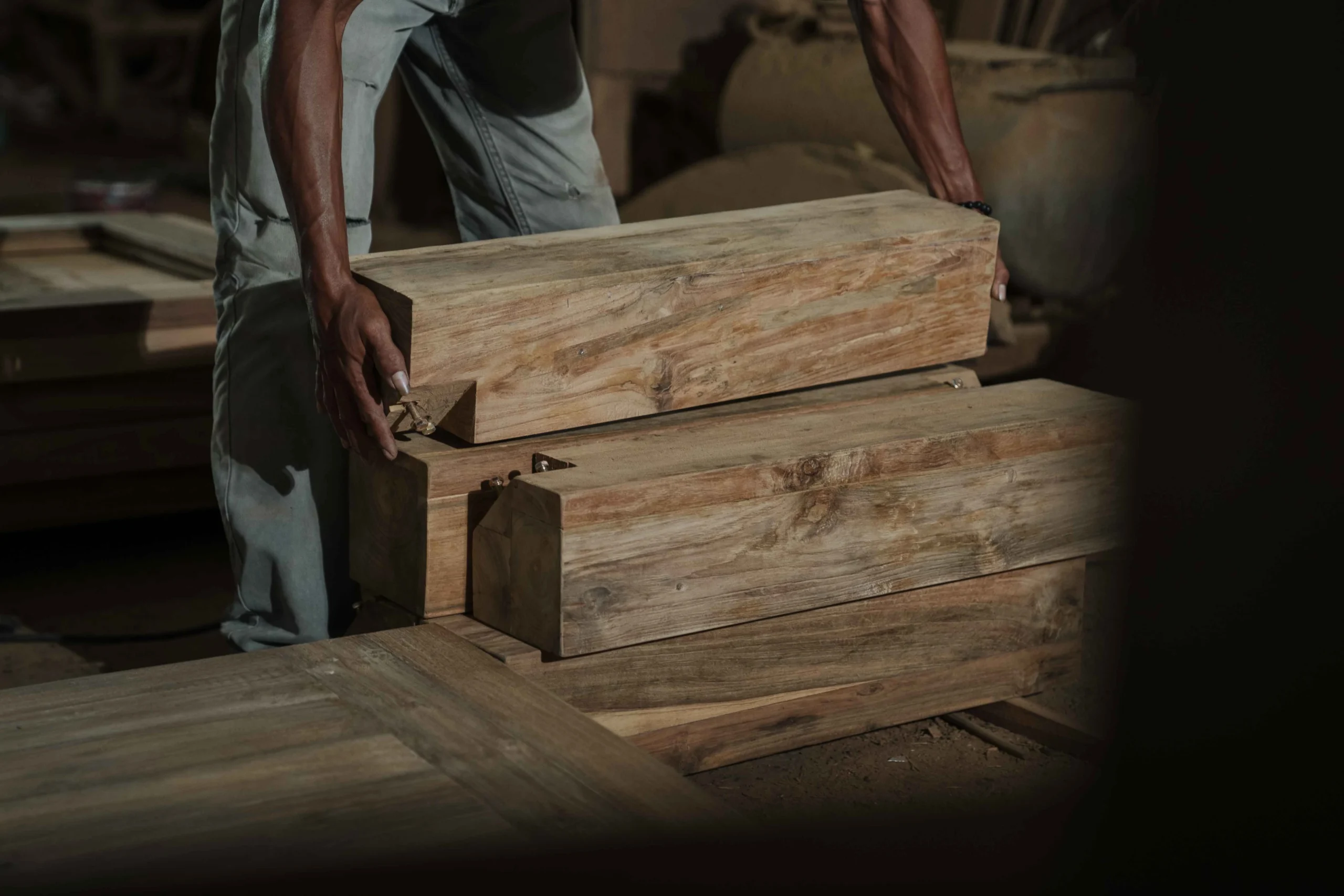
One of the attractions of reclaimed timber is its visible history.
However, there is an important difference between character and structural damage.
Desirable reclaimed features may include:
- Colour variation
- Old fixing marks
- Small filled holes
- Surface checking
- Weathered grain
- Previous joinery traces
- Historic repairs
- Slight variation between components
Potential problems may include:
- Active insect damage
- Excessive internal splitting
- Unstable moisture content
- Hidden metal
- Structural weakness
- Rot
- Contamination
- Inappropriate previous coatings
- Excessive distortion
A responsible manufacturer should inspect and select the timber according to its intended use.
A decorative panel and a structural table leg do not require the same grade of material. Timber selected for cabinetry doors may differ from the pieces used for heavy furniture frames.
The reclaimed appearance should never be used to excuse poor preparation or construction.
Processing Reclaimed Teak
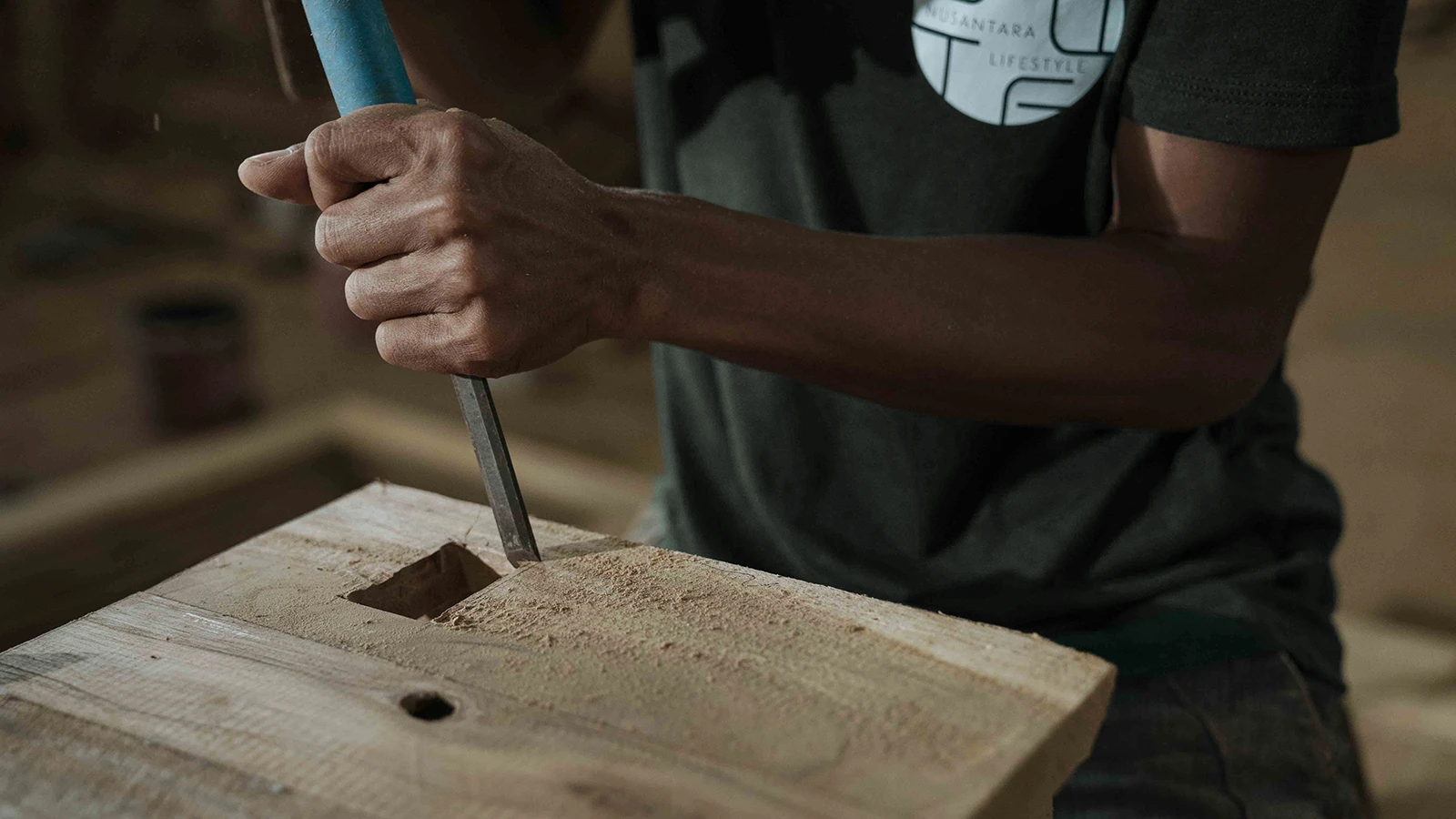
Reclaimed timber generally requires more preparation than new timber.
A typical reclaimed teak process may include:
Source identification
The previous structure or timber source is documented where possible.
Recovery
Suitable components are dismantled carefully to preserve usable timber.
De-nailing
Nails, screws and other metal elements are removed before machining.
Cleaning
Dirt, coatings and unsuitable surface material are removed.
Inspection
Each piece is checked for cracks, insects, rot, metal and structural suitability.
Moisture management
The timber is dried and checked according to the needs of the final project.
Selection and grading
Pieces are assigned to different product components based on dimensions, grain and condition.
Machining
The timber is cut, planed, shaped and prepared for joinery.
Repair
Holes, checks and previous fixing points may be stabilised or filled where necessary.
Joinery and assembly
The product is constructed according to approved drawings and intended use.
Finishing
The surface is sanded and finished to achieve the required balance between refinement and reclaimed character.
Quality control
Dimensions, finish, stability, hardware and workmanship are checked before packing.
This additional work contributes to the cost of reclaimed teak furniture and joinery. The raw timber may already exist, but recovering it responsibly is not a shortcut.
Traceability Matters
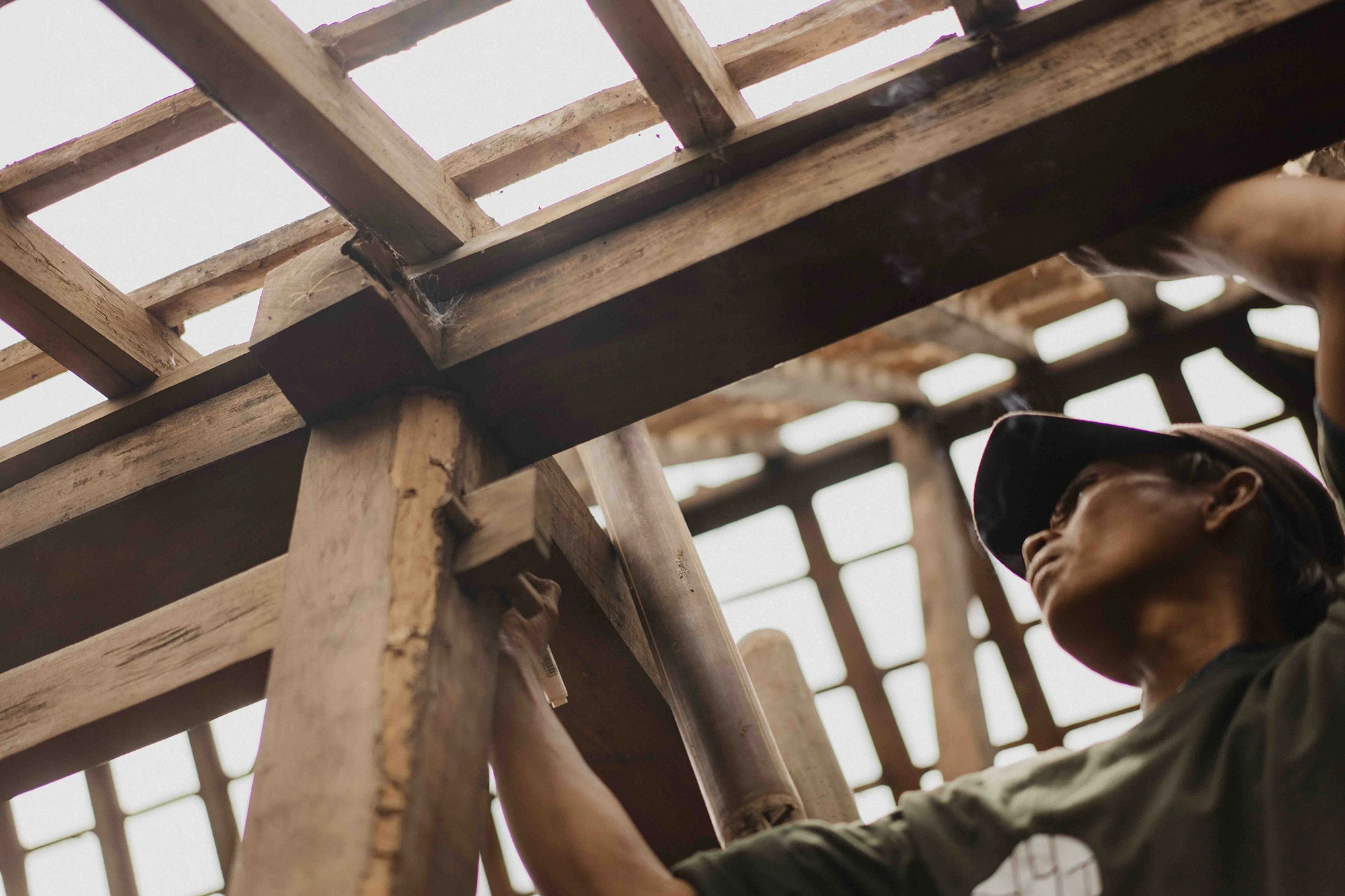
As reclaimed timber becomes more popular, traceability becomes increasingly important.
A product should not be accepted as sustainable simply because it is described as reclaimed.
Useful questions include:
- What was the timber’s previous use?
- Where was it recovered?
- How was it acquired?
- Who processed it?
- Is the source documented?
- Is there a chain of custody?
- Has the material been mixed with new timber?
- Can the supplier explain the production process?
- Are environmental claims independently supported?
For imported reclaimed teak, documentation is particularly important because Australian clients may not be able to inspect the original source directly.
Nusantara Lifestyle uses its ORIGIN traceability platform to record the journey of reclaimed teak from its previous source through recovery, selection and manufacture. FSC® certification provides an additional chain-of-custody framework for eligible materials and products.
These systems help move the conversation beyond appearance and towards verifiable material information.
Avoiding Greenwashing in Reclaimed Timber
Reclaimed timber is often marketed using broad words such as sustainable, eco-friendly, recycled or ethical.
These descriptions should be supported by specific information.
Credible communication explains:
- What the material is
- Where it came from
- How it was recovered
- How it was processed
- Whether certification applies
- How the product was made
- How long it is expected to last
- How it can be maintained or repaired
- What happens at the end of its useful life
No material is impact-free.
Reclaimed teak still requires recovery, processing, machinery, finishing, packing and transport. The environmental case is based on extending the useful life of existing timber, reducing demand for newly harvested material and producing a durable product—not on claiming that the process has no impact.
Clear, measured communication is more credible than exaggerated sustainability language.
Designing for Longevity
The value of reclaimed timber depends partly on how long the new product remains in use.
A reclaimed teak table that becomes disposable because of poor joinery does not represent successful reuse. A well-made piece that can be repaired, refinished and passed between owners provides a stronger long-term outcome.
Designing for longevity may involve:
- Selecting appropriate timber for each component
- Using repairable joinery
- Avoiding unnecessarily delicate details
- Choosing replaceable hardware
- Providing care instructions
- Allowing surfaces to be refinished
- Designing proportions that are not tied to short-lived trends
- Making replacement components available
- Planning for disassembly where practical
These principles apply equally to Australian reclaimed hardwoods and imported reclaimed teak.
Reclaimed material deserves construction that respects its existing age and gives it a meaningful next life.
Choosing the Right Reclaimed Timber for a Project
There is no single reclaimed timber that is right for every Australian project.
The decision should be based on the application, architecture, available material and project objectives.
Consider local reclaimed hardwood when:
- Local sourcing is a central priority
- The design requires a recognisably Australian material
- Suitable timber is available near the project
- The material can be recovered from the existing site
- Structural or flooring applications are required
- The project aims to preserve local building history
Consider reclaimed teak when:
- Furniture or joinery is a major part of the project
- The interior has a tropical, contemporary or Southeast Asian influence
- Indoor-outdoor continuity is important
- Warm, stable timber is required
- Custom manufacturing is needed
- A traceable reclaimed teak supply is available
- The project values Indonesian craft and material heritage
In some cases, the best answer is to use both.
Reclaimed Teak by Nusantara Lifestyle
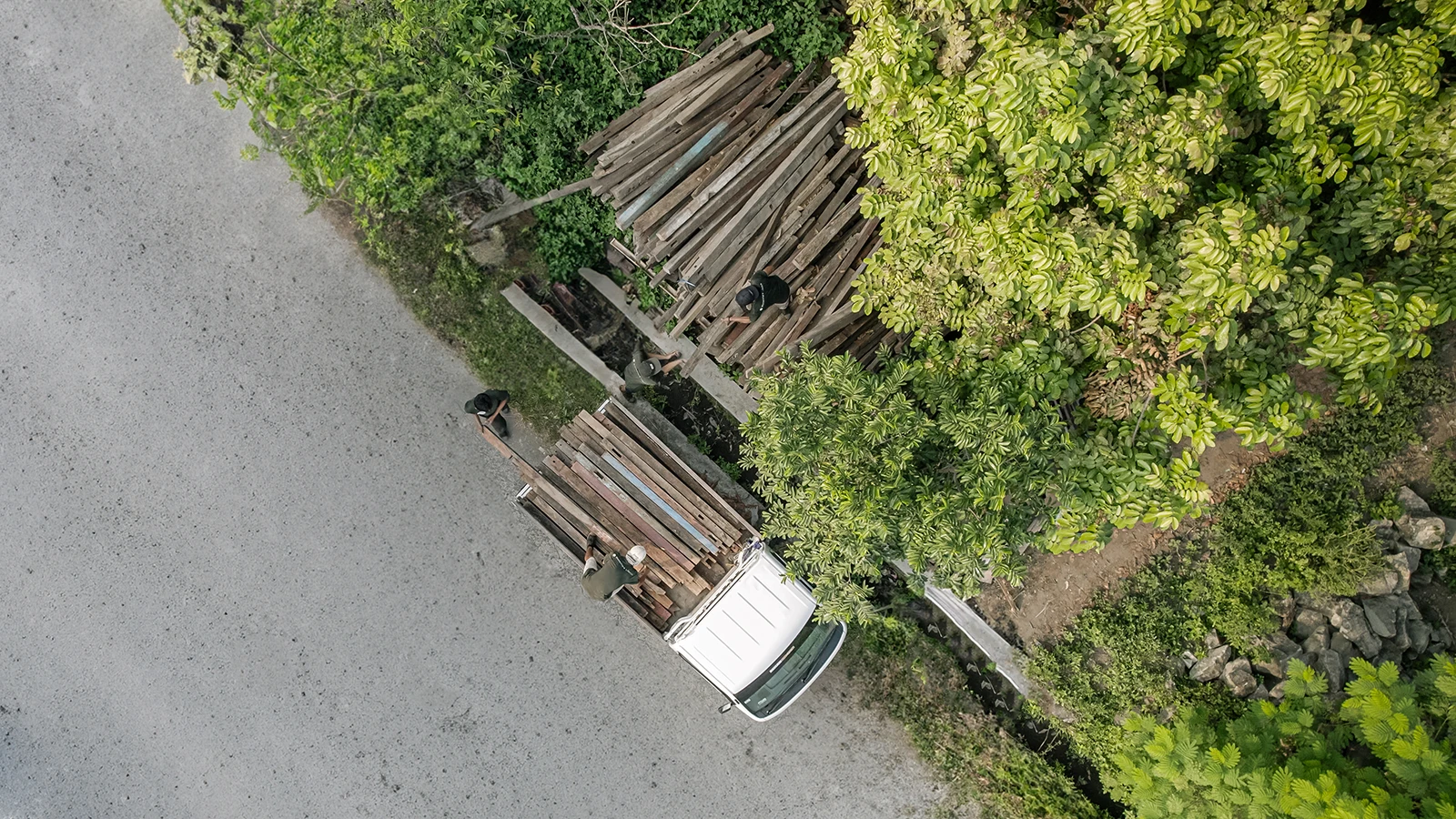
Nusantara Lifestyle creates custom furniture and cabinetry from reclaimed teak for residential, hospitality and commercial projects in Australia.
Our work is produced in Yogyakarta, Indonesia, where recovered timber is selected, prepared and crafted into pieces designed for long-term use.
Our services include:
- Material selection
- Design development
- Shop drawings
- Finish sampling
- Custom furniture production
- Cabinetry and joinery
- Quality control
- Export packing
- Shipping coordination
- Project-based traceability
We work with architects, interior designers, developers and homeowners who want reclaimed materials to form a meaningful part of the project rather than simply provide a weathered aesthetic.
A Broader View of Reclaimed Timber in Australia
Australia’s reclaimed timber landscape is already rich and diverse.
Local hardwoods connect projects with regional history, existing buildings and Australian material culture. Reclaimed teak adds another perspective: one connected to tropical architecture, Indonesian craft and the reuse of durable timber from existing Southeast Asian structures.
The two should not be treated as competitors.
Used thoughtfully, reclaimed teak can sit alongside Australian recycled hardwoods as part of a broader circular approach to architecture, furniture and interior design.
The most important principles remain the same regardless of species: understand the source, select the material carefully, design for its characteristics, manufacture it well and keep it in use for as long as possible.
For Australian projects seeking custom reclaimed teak furniture or cabinetry, Nusantara Lifestyle can review architectural plans, product requirements, reference images, finish preferences and delivery timelines to recommend an appropriate design and production approach.