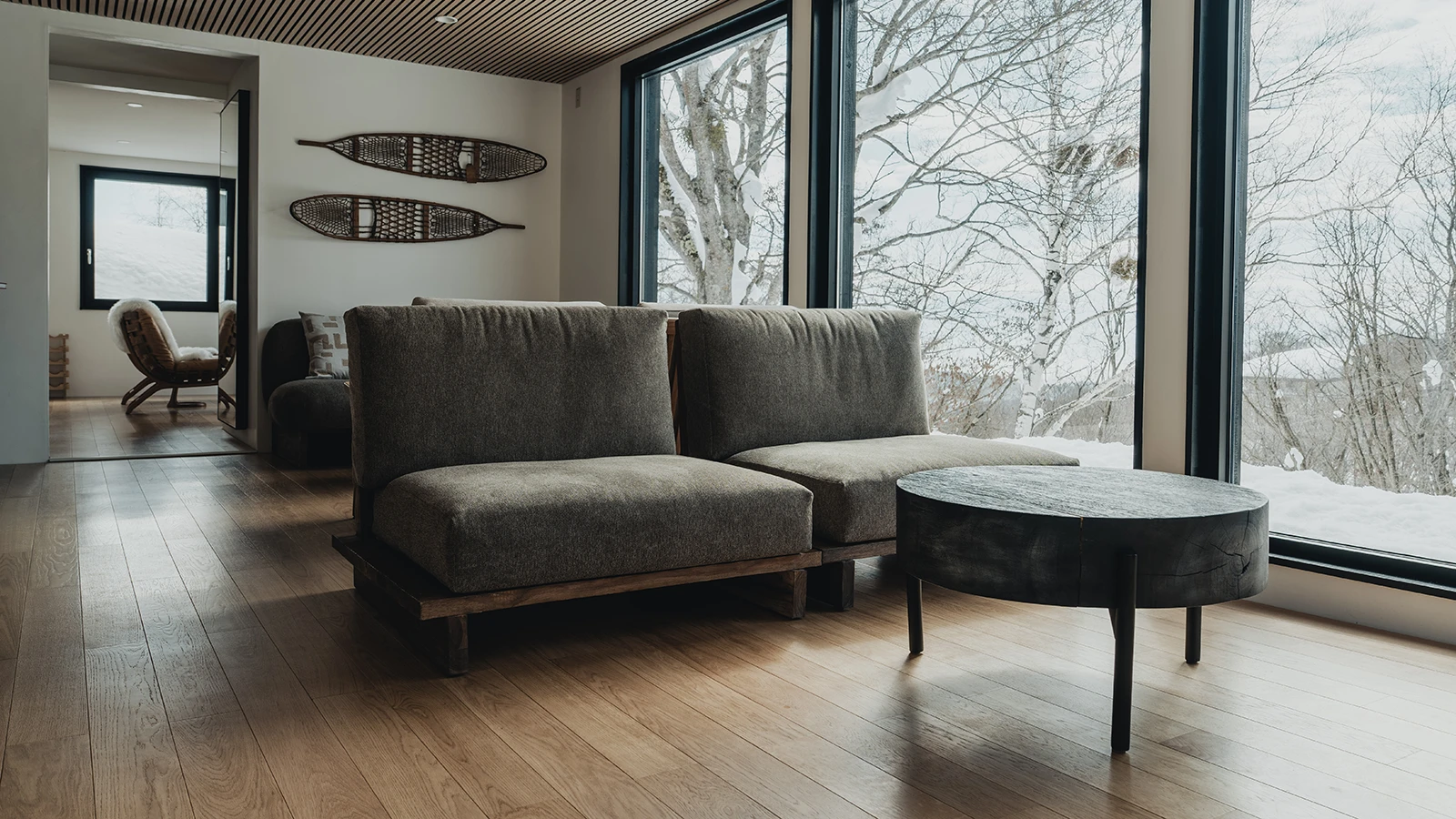
As Australian architects, interior designers and developers place greater emphasis on lower-impact materials, the way timber is sourced, specified and documented is becoming increasingly important.
For projects targeting Green Star certification in Australia, material selection is no longer simply about choosing something that looks sustainable. Project teams are increasingly expected to consider where materials come from, how they are produced, how long they will remain in use and what happens to them at the end of their first application.
This is where reclaimed teak offers an interesting alternative to newly harvested timber.
At Nusantara Lifestyle, we recover existing teak from structures across Indonesia and transform it into bespoke furniture, cabinetry, wall panelling and architectural interior elements. Rather than growing timber specifically for a new project, we work with wood that has already served a previous purpose — extending the useful life of an exceptionally durable natural material.
For Australian projects pursuing Green Star outcomes, that approach can align particularly well with the growing focus on responsible products, reuse, durability and circular design.
Green Star is changing the way interiors are specified
Green Star is Australia’s nationally recognised sustainability rating system for buildings and fitouts, administered by the Green Building Council of Australia (GBCA).
The newest development for interior projects is Green Star Fitouts, formally launched in March 2026. The rating tool puts circularity at the centre of sustainable fitout design and encourages spaces to be designed around reuse, adaptability, responsible products and lower upfront carbon.
This matters because interior fitouts can have surprisingly significant environmental impacts.
According to the GBCA, fitouts can account for approximately 32% of a building’s lifecycle carbon emissions, while a commercial office fitout can generate more than 360 tonnes of waste. Interior elements are also commonly replaced every five to seven years, meaning those impacts can be repeated several times during the life of the building.
The direction of Green Star Fitouts is therefore straightforward:
build less, build well and reuse more.
It is a philosophy that closely reflects the way Nusantara Lifestyle approaches timber.
Why reclaimed teak makes sense for circular interiors
A circular approach to materials seeks to keep existing resources in productive use for as long as possible.
Instead of following a conventional linear model —
harvest → manufacture → use → discard
— reclaimed timber allows an existing material to begin another life.
Our reclaimed teak is sourced predominantly from existing structures in Indonesia, including traditional buildings where substantial teak elements may have already been standing for decades.
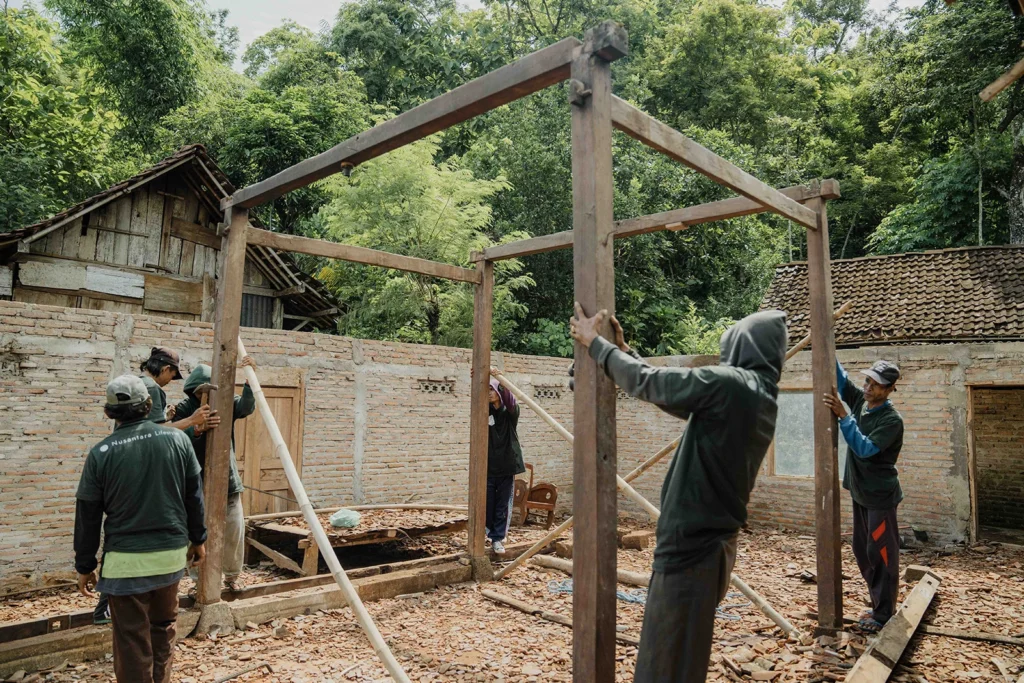
Once recovered, the timber is inspected, cleaned, processed and selected before being redesigned into contemporary furniture and architectural elements.
The result is not simply an aesthetic associated with reclaimed wood. It is the continued use of an existing material resource.
This increasingly mirrors the direction being taken by Green Star. GBCA guidance already provides pathways for recognising reused building elements within its Responsible Products credits, provided suitable valuation and supporting evidence are supplied.
For designers, this means that reuse is becoming part of measurable building performance rather than simply a design story.
Responsible timber is about more than the species
Teak is widely valued for its strength, dimensional stability and resistance to moisture. But specifying teak — or any other naturally durable hardwood — does not automatically make a project environmentally responsible.
The more important question is:
Where did the timber come from?
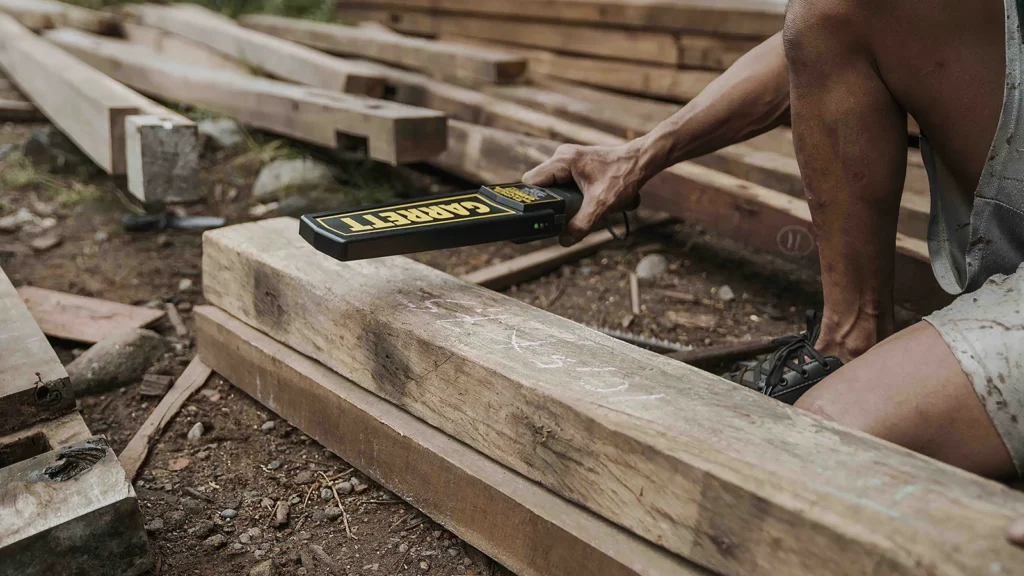
New plantation timber still requires land, growing cycles, harvesting, processing and transport. Reclaimed teak takes a different approach by recovering material that already exists.
For Nusantara Lifestyle, this distinction is fundamental.
Our focus is not simply on teak furniture. It is on creating new value from existing timber while reducing demand for newly harvested material wherever possible.
Nusantara Lifestyle’s FSC® Recycled and FSC® Mix certification can also help provide project teams with recognised chain-of-custody documentation when appropriate to the particular product and specification.
The GBCA has historically recognised FSC-certified timber within Green Star timber requirements, and its guidance confirms that FSC Mix certification may be used within relevant Green Star Interiors timber and sustainable-product criteria.
Certification should, however, always be considered within the context of the particular Green Star tool and credit being targeted rather than treated as an automatic guarantee of Green Star points.
Documentation matters
One of the challenges architects and sustainability consultants face when specifying reclaimed materials is documentation.
A material may have a compelling environmental story, but a Green Star submission generally requires evidence.
Under the current Responsible Products Framework, Green Star projects calculate the proportion of qualifying responsible materials and products used within relevant building layers. Project teams may need to provide information including certificates, purchase evidence and overall material costs.
This is why Nusantara Lifestyle is developing its reclaimed timber offering not simply as a furniture supply service, but as a specification-ready material proposition.
Depending on the project and product, documentation can include:
- FSC® certification and relevant chain-of-custody information
- reclaimed timber sourcing information
- product and material descriptions
- manufacturing location and process information
- timber species information
- finishing specifications
- supporting photographs and project documentation
- provenance information through our ORIGIN traceability system
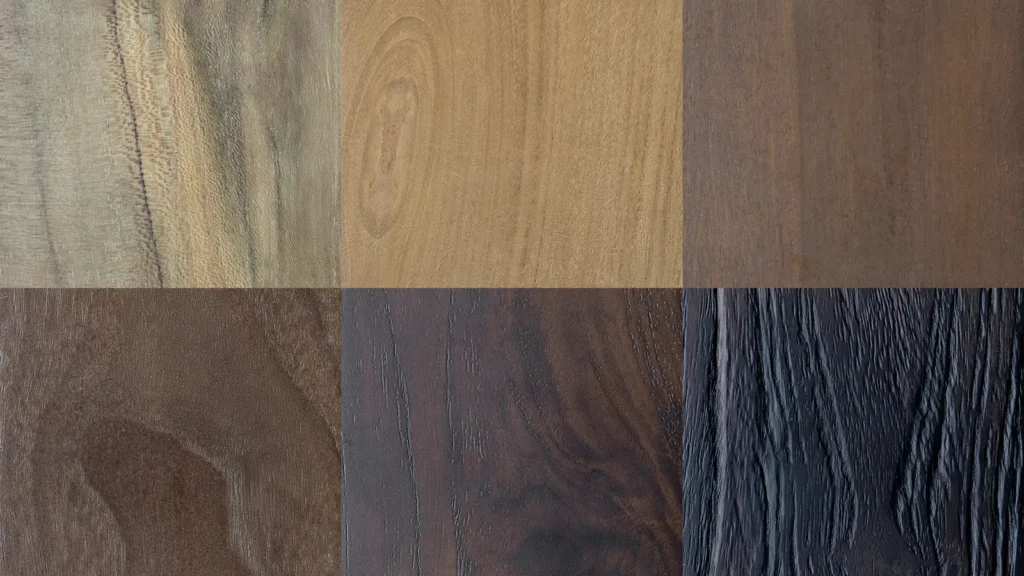
Our aim is to make it easier for architects, designers, procurement teams and sustainability consultants to understand exactly what they are specifying.
From reclaimed timber to high-end interiors
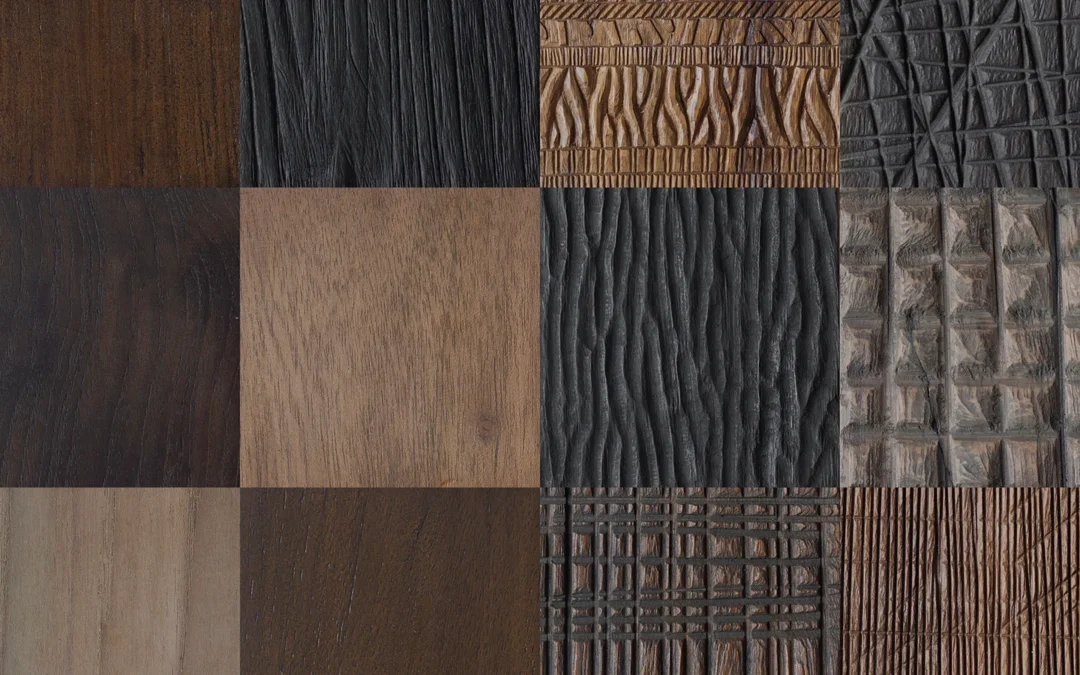
There is still a misconception that reclaimed timber must look distressed, rustic or heavily weathered.
It does not.
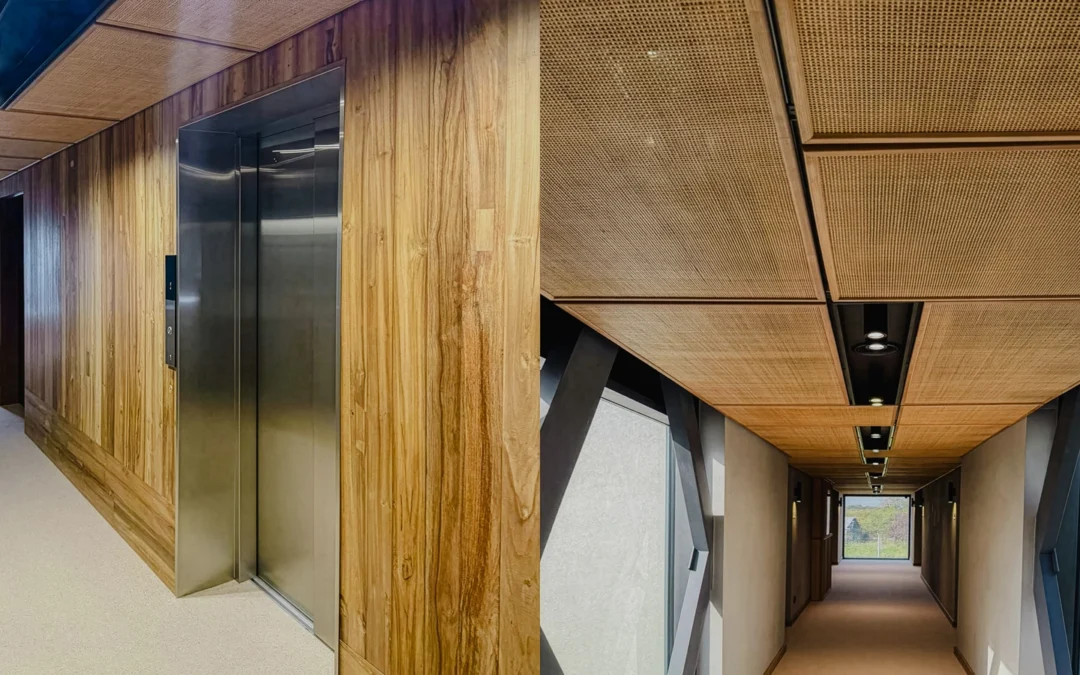
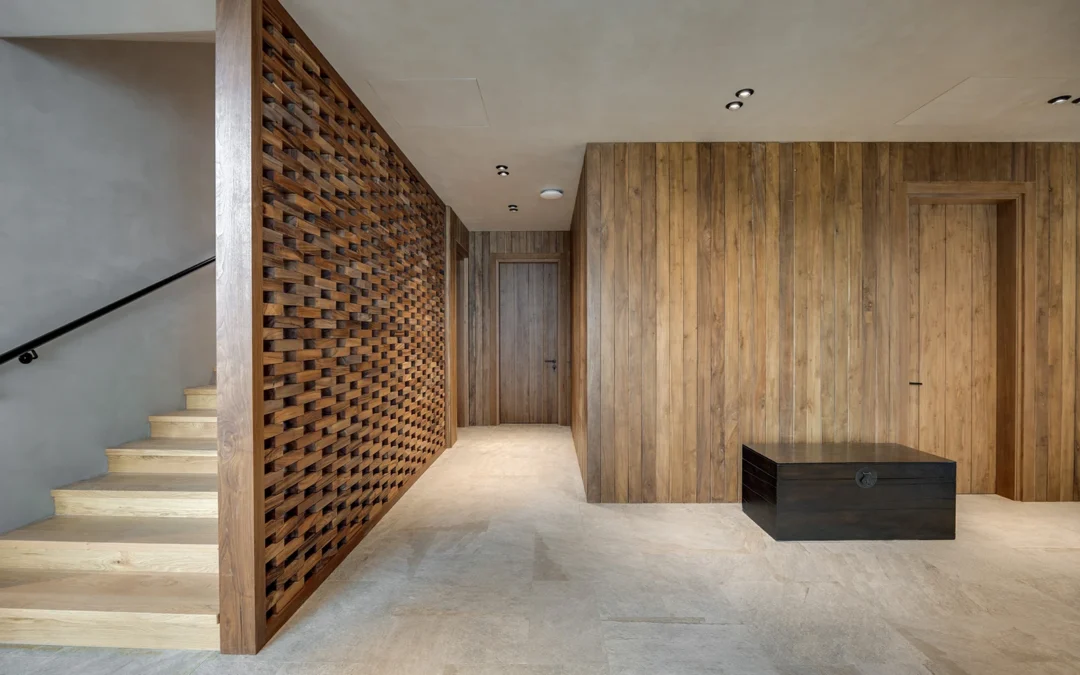
Through careful timber selection and processing, reclaimed teak can be developed into highly refined contemporary surfaces suitable for sophisticated Australian residential, hospitality, workplace and retail interiors.
At Nusantara Lifestyle, reclaimed teak can be used across applications including:
- custom dining and meeting tables
- reception and communal tables
- loose furniture
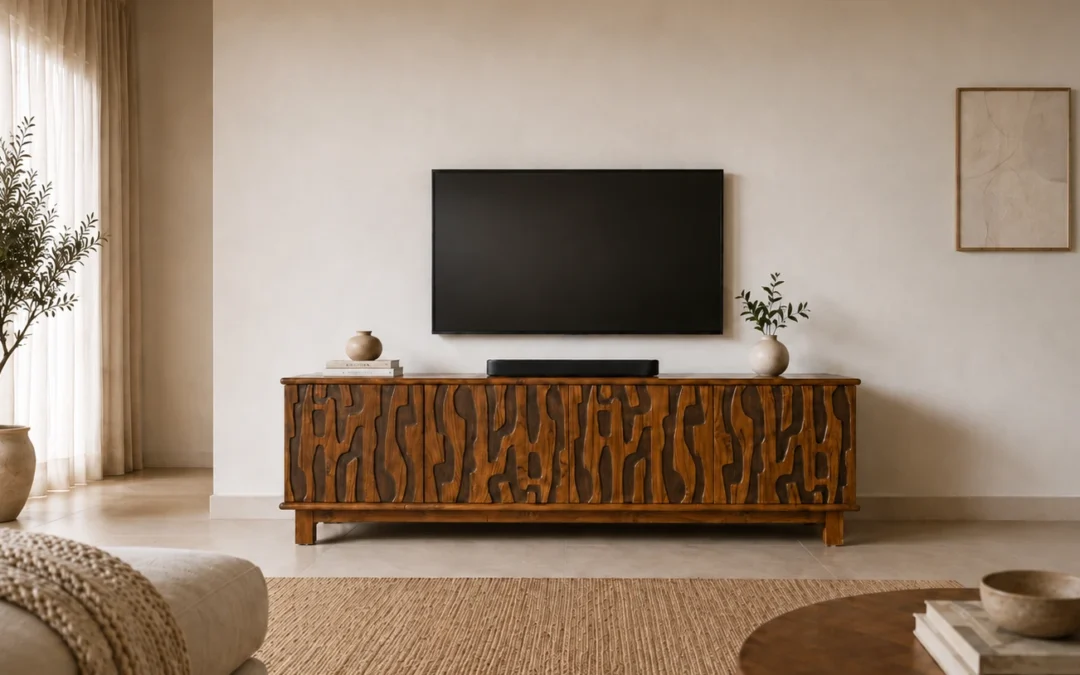
- wardrobes and cabinetry
- bathroom vanities
- shelving and storage
- wall panelling
- screens and partitions
- benches and built-in seating
- bespoke architectural features
- statement furniture and one-off pieces
The material therefore does not need to dictate a particular aesthetic.
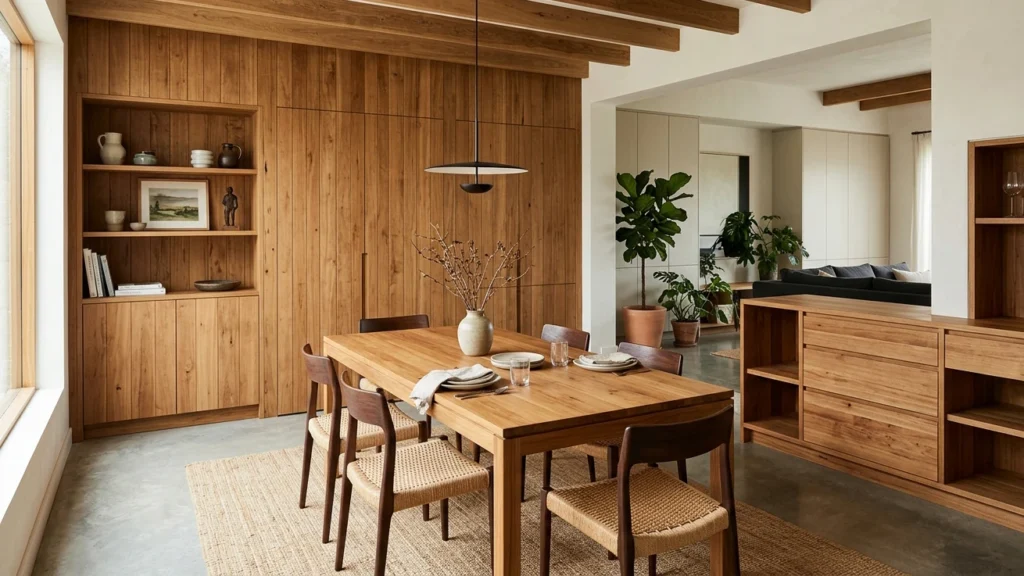
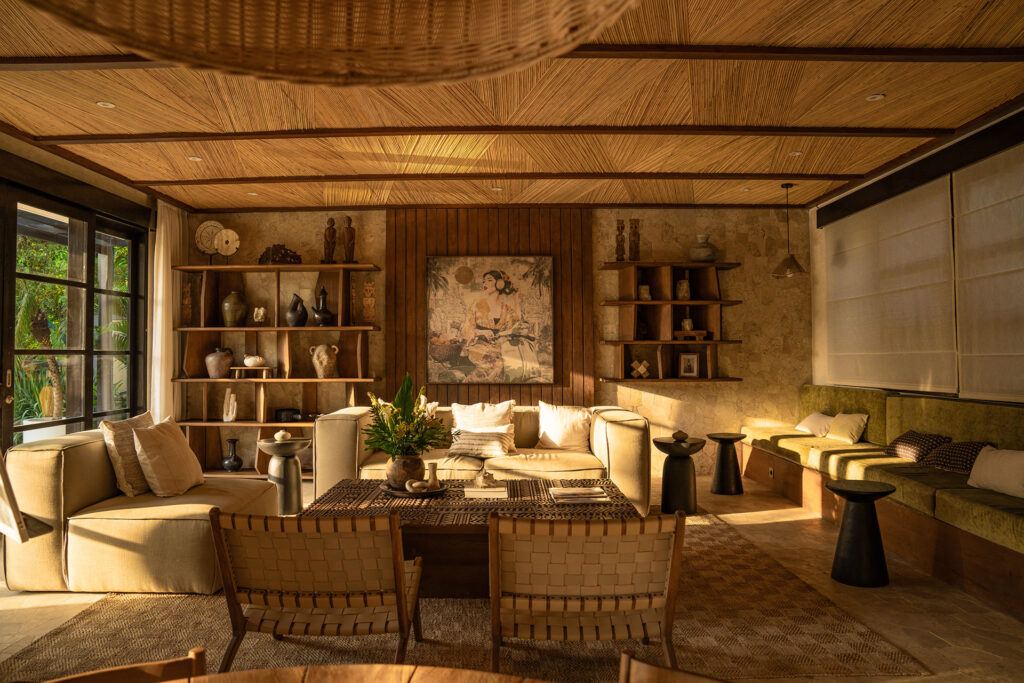
It can sit comfortably within minimalist, contemporary, tropical, coastal and highly architectural interiors while retaining the environmental advantages and character associated with reclaimed timber.
Durability matters in a Green Star fitout
Sustainable specification is not only about what a product is made from.
It is also about how long that product remains useful.
This is particularly important for commercial interiors, where frequent refurbishment can result in otherwise functional furniture and joinery being removed long before the end of its physical life.
Green Star Fitouts is seeking to change that pattern by encouraging durability, reuse, adaptability and design for future disassembly.
Reclaimed teak is particularly suited to this approach.
Teak is an extremely durable hardwood, and much of the material we recover has already survived decades of structural use before arriving in our workshop.
When that timber is transformed into a well-designed table, cabinet or architectural element, the goal is not to create something for a five-year design cycle.
It is to create something capable of remaining in use for decades — whether in its original location or eventually adapted for another space.
For commercial projects, longevity can therefore become part of the design strategy.
Designing furniture to remain in use
Circular design also asks designers to think beyond the project’s opening day.
Could a table move to another tenancy?
Could cabinetry be repaired rather than replaced?
Could a timber panel be removed and installed elsewhere?
Could furniture be refinished after ten years rather than discarded?
These questions are increasingly relevant as Green Star Fitouts shifts attention from simply purchasing products with environmental credentials towards considering the entire lifecycle of an interior.
The GBCA describes the new tool as encouraging reuse, adaptability and design for disassembly, helping materials remain in productive use for longer.
For Nusantara Lifestyle, this opens up an opportunity to work with designers earlier in the process.
Rather than selecting furniture only after a design has been completed, reclaimed teak elements can be considered as part of the overall material and circularity strategy.
A material with a past — designed for the future
One of the most interesting characteristics of reclaimed teak is that sustainability and storytelling are inseparable.
A beam recovered from an old Javanese structure already has a history.
Instead of destroying that history or allowing the material to disappear from use, we can document its origin, recover the timber and give it a new architectural purpose.
Through ORIGIN, Nusantara Lifestyle’s traceability platform, we are working to connect finished pieces with the source of the reclaimed material from which they were made.
For architects and interior designers, this creates another level of transparency.
The specification becomes more than reclaimed teak.
It becomes timber whose journey can be understood.
Specifying Nusantara Lifestyle for Green Star projects
Nusantara Lifestyle does not claim that specifying one of our products will automatically achieve Green Star certification or a particular Green Star credit.
Green Star outcomes are determined at project level, with each product considered against the requirements of the applicable rating tool, credit and current GBCA guidance.
What we can provide is a material approach that closely aligns with where sustainable Australian interiors are heading:
existing resources rather than unnecessary new extraction, traceability rather than vague sustainability claims, durable furniture rather than short design cycles, and pieces designed to remain useful for generations.
As Green Star increasingly places circularity and responsible material selection at the centre of Australian interior projects, reclaimed teak presents architects and designers with an opportunity to combine environmental thinking with genuinely high-end design.
For us, that is what sustainable timber should mean.
Not simply a certification attached to a new piece of wood.
But a valuable material kept in use.