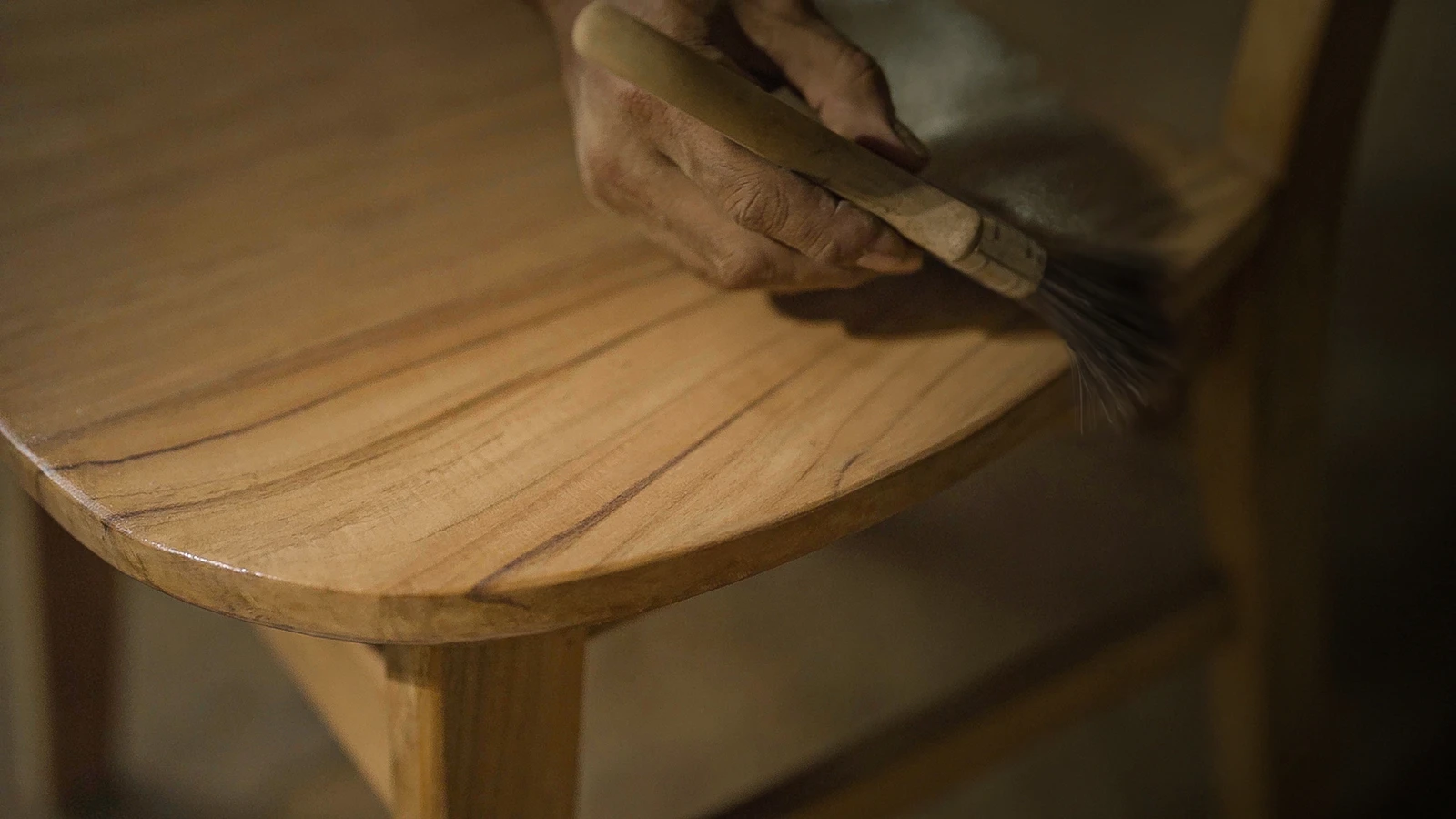
Outdoor teak furniture is valued for its durability, natural warmth and ability to age gracefully. However, even high-quality teak benefits from appropriate care, particularly in Australia’s varied climate.
Furniture in Perth may experience strong sunlight and dry heat, while pieces in Sydney, Brisbane or tropical northern regions may face greater humidity and rainfall. Coastal properties can also expose furniture to salt air, wind and moisture.
Understanding how teak changes outdoors—and deciding what appearance you want to maintain—will help determine the right care routine.
Does Outdoor Teak Furniture Need Maintenance?
Teak is naturally suited to outdoor use because its dense grain and natural oils help it withstand moisture and changing weather conditions.
It does not necessarily need to be constantly treated or oiled to remain usable. However, regular cleaning and basic maintenance can help:
- Keep the surface free from dirt and organic matter
- Reduce uneven staining
- Prevent mould or mildew from developing
- Maintain a more consistent appearance
- Extend the life of fittings, cushions and finishes
- Identify small maintenance issues before they become larger problems
The amount of care required depends on where the furniture is located and how exposed it is.
A dining table beneath a covered terrace will generally require less maintenance than a sun lounge positioned beside an uncovered swimming pool.
Why Does Teak Turn Grey?
Newly finished teak usually has a warm golden or honey-brown colour.
When exposed to sunlight, rain and changing weather conditions, the surface gradually oxidises and develops a silver-grey patina. This is a natural ageing process and does not necessarily mean the timber is deteriorating.
Many homeowners, architects and hospitality designers intentionally allow teak to weather because the softer grey colour works well with stone, concrete, coastal planting and contemporary architecture.
Others prefer to preserve more of the original golden tone.
Both approaches can be appropriate. The important step is to decide on the desired appearance before selecting a finish and maintenance routine.
Option One: Allowing Teak to Weather Naturally
Allowing teak to develop a silver-grey patina is generally the lowest-maintenance option.
The furniture should still be cleaned periodically, but it does not require frequent colour-restoring treatments.
To support even weathering:
- Keep the furniture reasonably clean
- Remove leaves and standing water
- Avoid leaving decorative objects in the same position for long periods
- Allow all surfaces to receive similar exposure where possible
- Clean spills before they penetrate the surface
Natural weathering may not occur uniformly. Areas protected by cushions, table decorations or architectural overhangs can age at a different rate from exposed surfaces.
This variation is normal, particularly during the first stages of weathering.
Option Two: Maintaining the Golden Teak Colour
To retain a warmer teak colour, the furniture will require more active maintenance.
An exterior-grade teak protector can help slow the natural greying process. The product should be selected according to the manufacturer’s instructions and tested on a small, discreet area before full application.
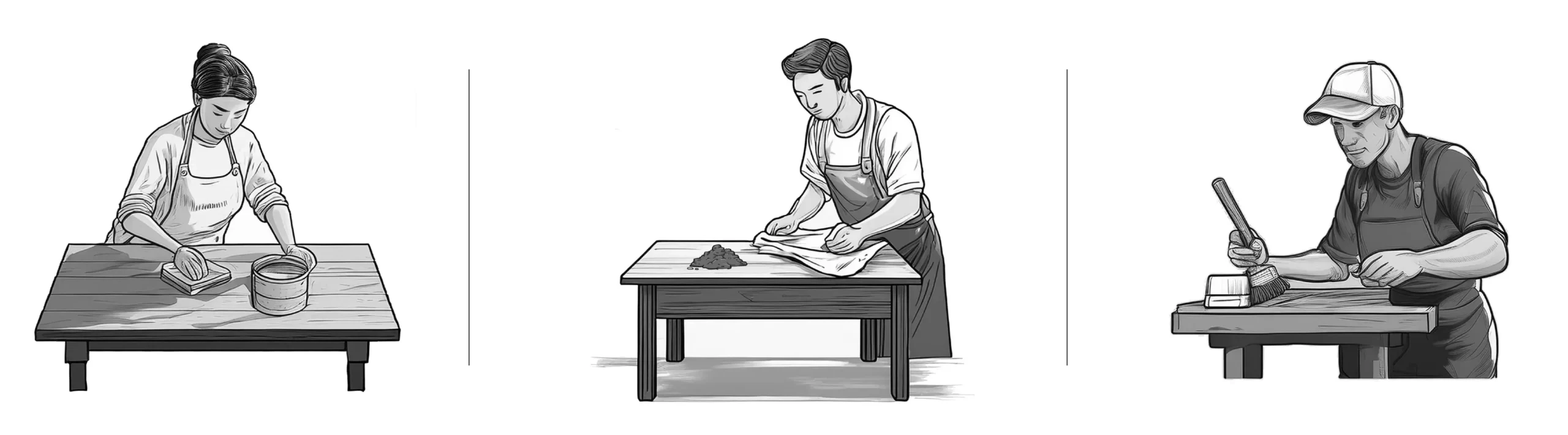
A typical process may include:
- Cleaning the furniture thoroughly
- Allowing the timber to dry completely
- Lightly sanding the surface if required
- Applying the recommended teak protector
- Allowing the product to cure before use
- Reapplying it according to exposure and product guidance
Furniture in full sun or close to the ocean may require more frequent attention than furniture in a protected courtyard.
No treatment will permanently stop natural weathering. The goal is to manage the appearance rather than completely prevent change.
Should You Oil Outdoor Teak Furniture?
Teak oil is commonly associated with outdoor furniture, but it is not always necessary or appropriate.
Some teak oils can deepen the colour temporarily, but repeated application may create an inconsistent surface, attract dust or encourage mould if the furniture is not properly cleaned before treatment.
Products labelled as teak oil may also vary considerably in composition.
Before applying oil, consider:
- Whether the furniture already has a finish
- Whether the manufacturer recommends oiling
- The amount of sun and rain exposure
- How frequently you are prepared to maintain it
- Whether a teak protector would be more suitable
- Whether you prefer natural silver-grey weathering
For custom reclaimed teak furniture, the original manufacturer should ideally advise on the appropriate care system.
How to Clean Outdoor Teak Furniture
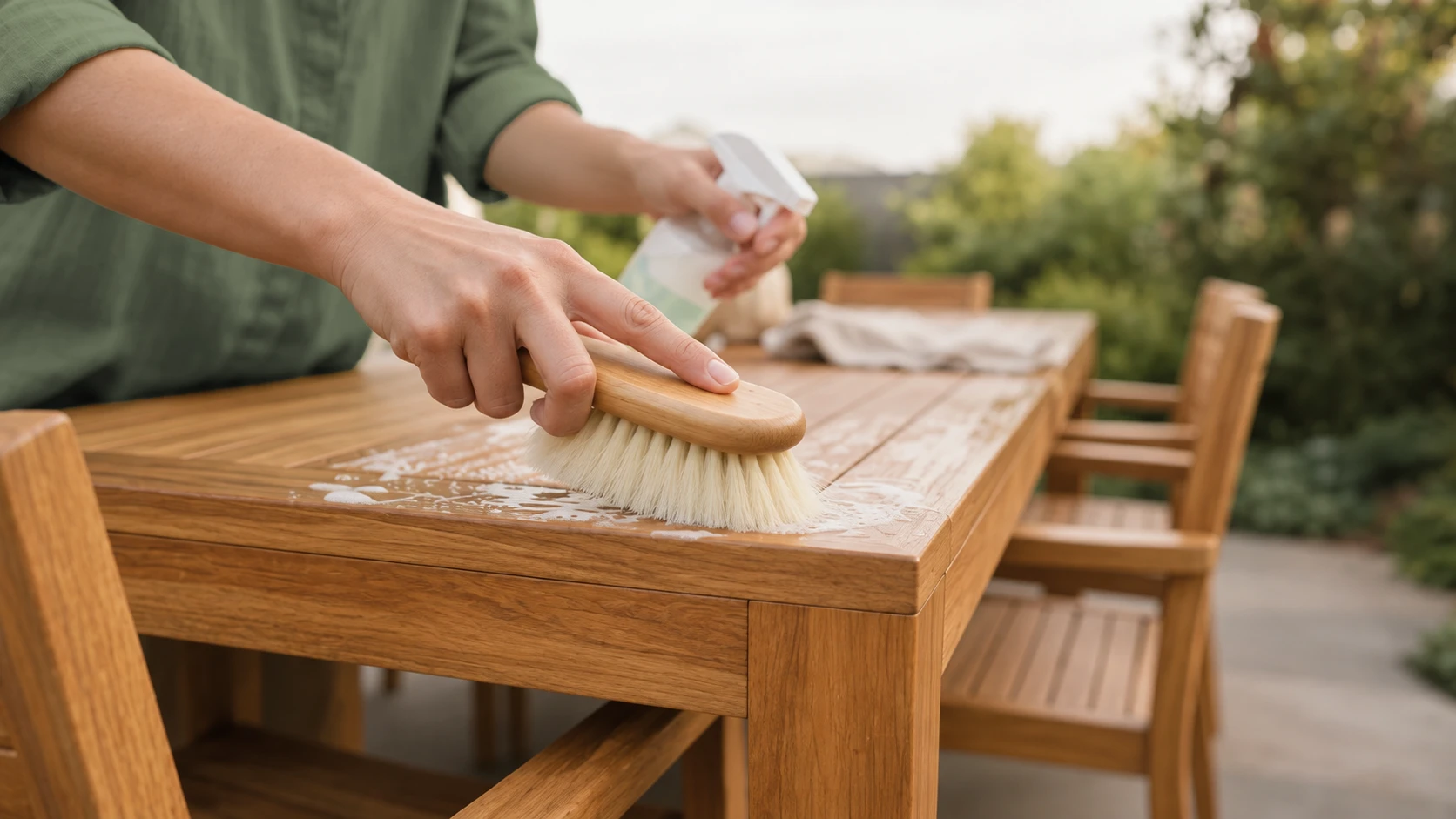
For routine cleaning, begin with the least aggressive method.
You will generally need:
- Clean water
- Mild soap
- A soft cloth or sponge
- A soft-bristle brush
- A dry cloth
First, remove cushions, loose dirt and leaves. Wash the timber gently in the direction of the grain, then rinse it with clean water.
Allow the furniture to dry naturally in a well-ventilated area.
Avoid allowing soap residue to remain on the surface.
Removing Dirt, Mould and Stains
Outdoor furniture may develop dark spots, mildew or surface staining, especially in damp, shaded or tropical environments.
Begin with mild soap and water. A dedicated teak cleaner may be used for more persistent marks, provided it is suitable for the furniture’s existing finish.
Avoid harsh household chemicals unless specifically recommended. Strong bleach solutions can affect the timber surface, surrounding materials and metal fittings.
Any cleaning product should first be tested in an inconspicuous area.
Should You Pressure-Wash Teak Furniture?
High-pressure washing is generally not recommended.
Excessive pressure can damage the timber fibres, create a rough surface and exaggerate the grain. It may also force water into joints and hidden areas.
If pressure washing is unavoidable, it should be carried out at very low pressure by someone familiar with timber furniture. Gentle hand cleaning remains the safer option.
Light Sanding and Surface Refreshing
Over time, teak may develop a slightly raised or rough surface as weathering affects the softer grain.
Light hand sanding can help restore a smoother finish.
Use fine sandpaper and work carefully in the direction of the grain. Avoid removing more material than necessary, particularly around edges, joints and shaped components.
After sanding, remove all dust before applying any protective treatment.
For extensive refinishing, contact the manufacturer or an experienced furniture restorer.
Protecting Outdoor Cushions and Upholstery
The timber frame is only one part of outdoor furniture maintenance.
Cushions and upholstery should be designed for exterior use and may still require protection from prolonged rain, humidity and direct sunlight.
Good maintenance includes:
- Removing wet cushions and allowing them to dry fully
- Storing cushions during extended periods of non-use
- Cleaning spills promptly
- Following the fabric manufacturer’s care instructions
- Checking zips, seams and inner foam periodically
- Avoiding trapped moisture between cushions and timber
Even outdoor-grade fabrics can fade over time when exposed continuously to strong Australian sunlight.
Caring for Teak Furniture Near a Pool
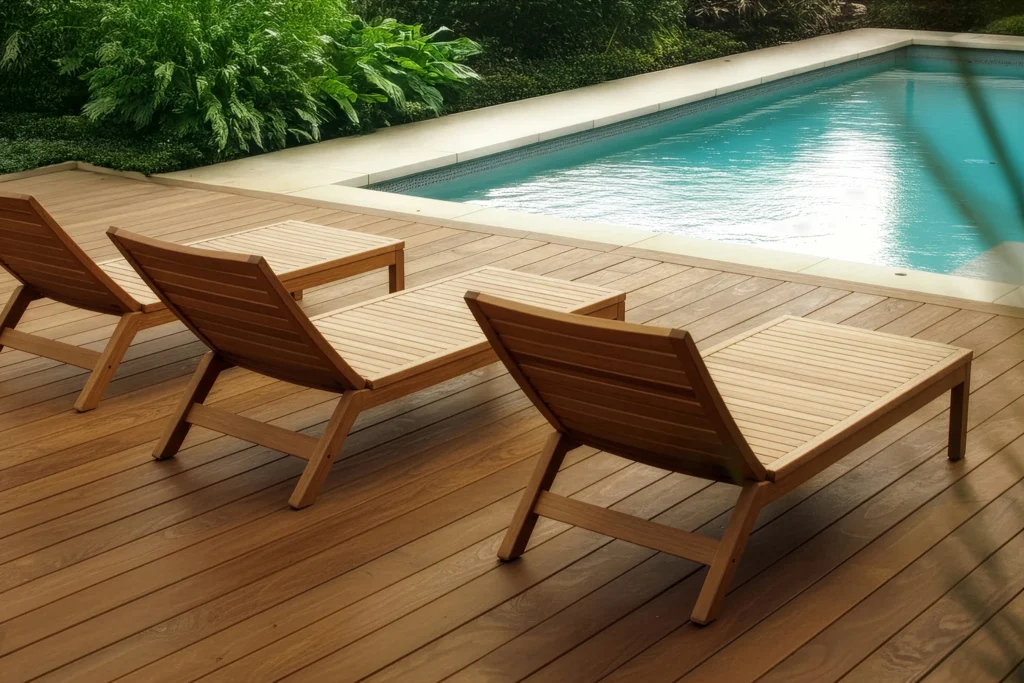 Poolside furniture may be exposed to chlorinated water, sunscreen, body oils and repeated moisture.
Wipe down surfaces regularly and avoid allowing wet towels or cushions to remain on the furniture for long periods.
Sunscreen and tanning products can leave oily marks, particularly on tabletops and armrests. Clean these areas promptly using mild soap and water.
Hardware should also be inspected for corrosion, especially where the furniture is exposed to both pool chemicals and coastal air.
Caring for Teak Furniture in Coastal Areas
Coastal properties can expose furniture to salt, wind and high moisture levels.
Salt deposits should be rinsed off periodically with clean water. Metal hardware should be checked and cleaned according to its material specification.
Marine-grade stainless steel or other corrosion-resistant fittings may be advisable for furniture intended for demanding coastal locations.
Using Furniture Covers
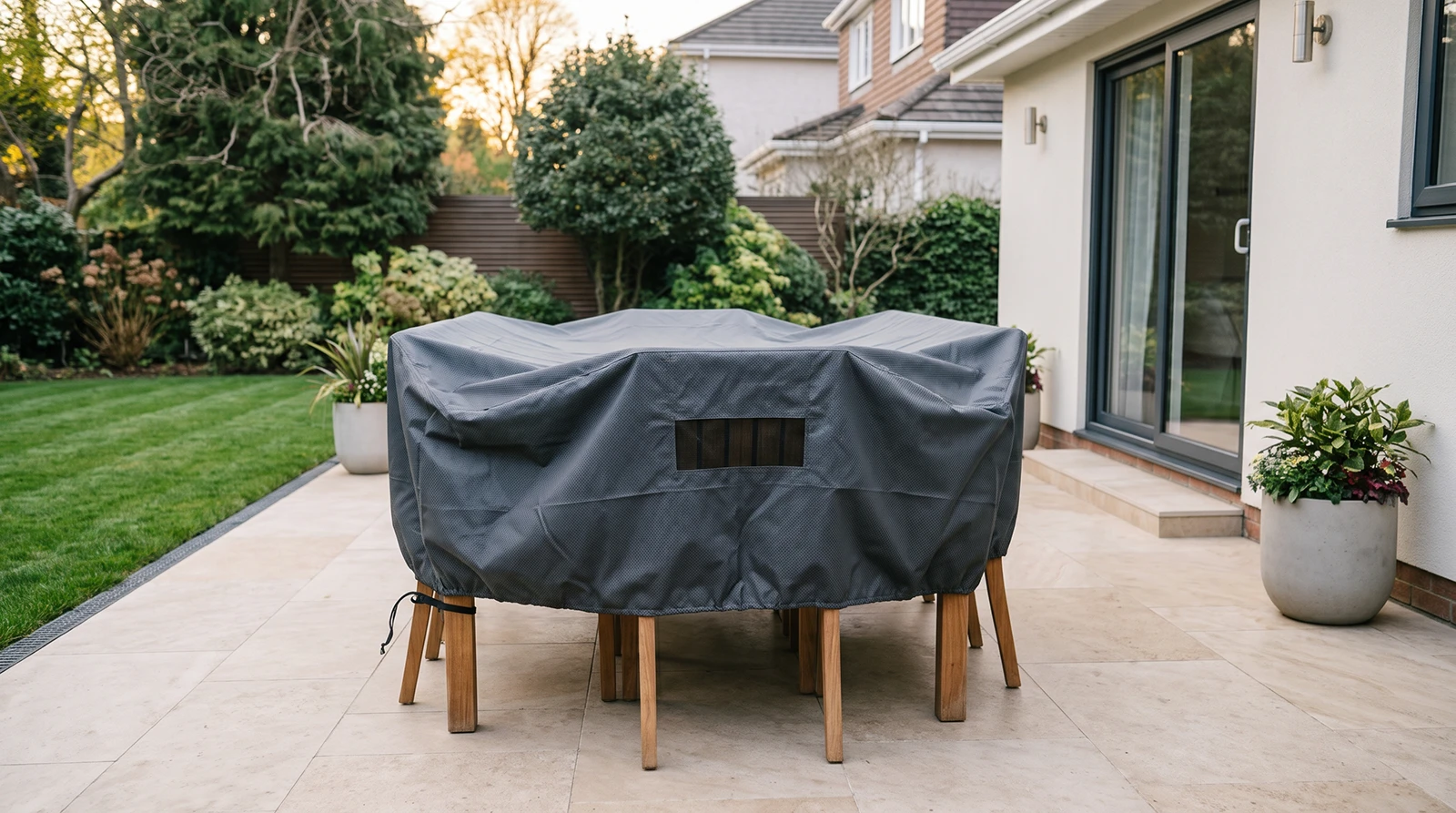
Breathable furniture covers can help protect outdoor pieces during extended periods of non-use.
Avoid covers that trap condensation against the timber. The cover should allow airflow and should not be placed over wet furniture.
Before covering:
- Clean the furniture
- Make sure the timber is dry
- Remove or dry the cushions
- Check that water cannot pool on the cover
- Leave sufficient ventilation around the base
Furniture covers are useful, but they do not replace regular inspection and cleaning.
A Simple Teak Maintenance Schedule
A practical routine for Australian outdoor furniture may include:
Weekly or as needed
Remove leaves, dust, spills and standing water.
Every few months
Wash the furniture gently with mild soap and clean water. Inspect the joints, hardware, feet and cushions.
Once or twice a year
Carry out a more thorough clean. Lightly sand rough areas if required and reapply the selected teak protector where appropriate.
Before long-term storage or covering
Make sure all timber and upholstery components are clean and completely dry.
Maintenance frequency should always be adjusted to the furniture’s exposure and local climate.
Caring for Reclaimed Teak Outdoor Furniture
Reclaimed teak can include natural variation, historic fixing marks and differences in grain.
These characteristics are part of the material’s identity and should not automatically be treated as faults.
The same general maintenance principles apply:
- Clean gently
- Avoid harsh chemicals
- Allow the timber to dry
- Inspect the furniture regularly
- Use finishes suitable for outdoor teak
- Seek professional advice before major refinishing
When properly selected and constructed, reclaimed teak can provide a highly durable material for Australian exterior spaces.
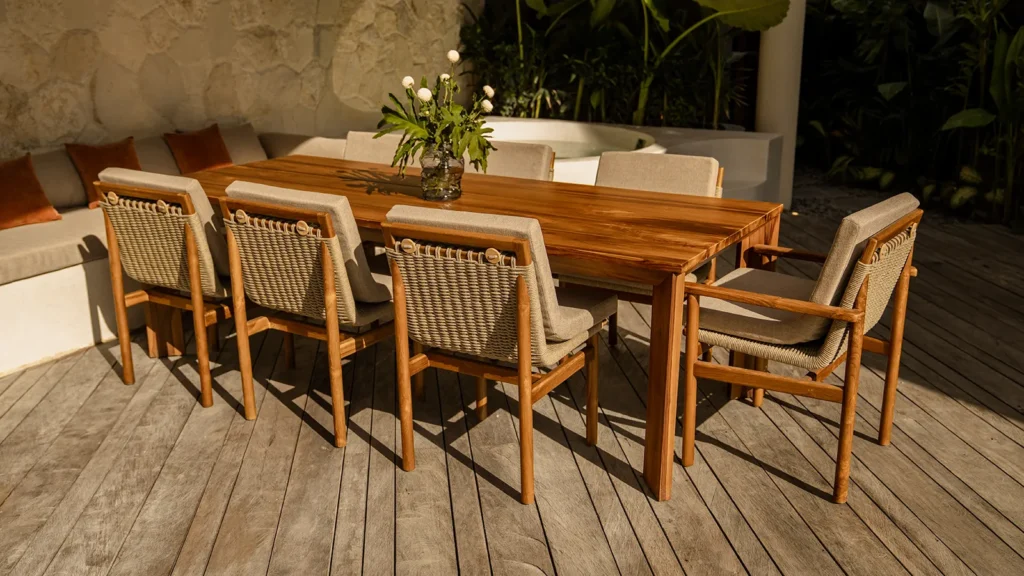
Outdoor Teak Furniture Made for Long-Term Use
The best maintenance strategy begins with well-made furniture.
Appropriate timber selection, moisture control, joinery, drainage, hardware and finishing all influence how a piece performs outdoors.
Nusantara Lifestyle creates custom reclaimed teak outdoor furniture for Australian residential, commercial and hospitality projects. Our furniture is designed around the intended environment, use and maintenance expectations of each project.
For more information about the material, design and production process, read our guide to luxury reclaimed teak outdoor furniture in Australia.