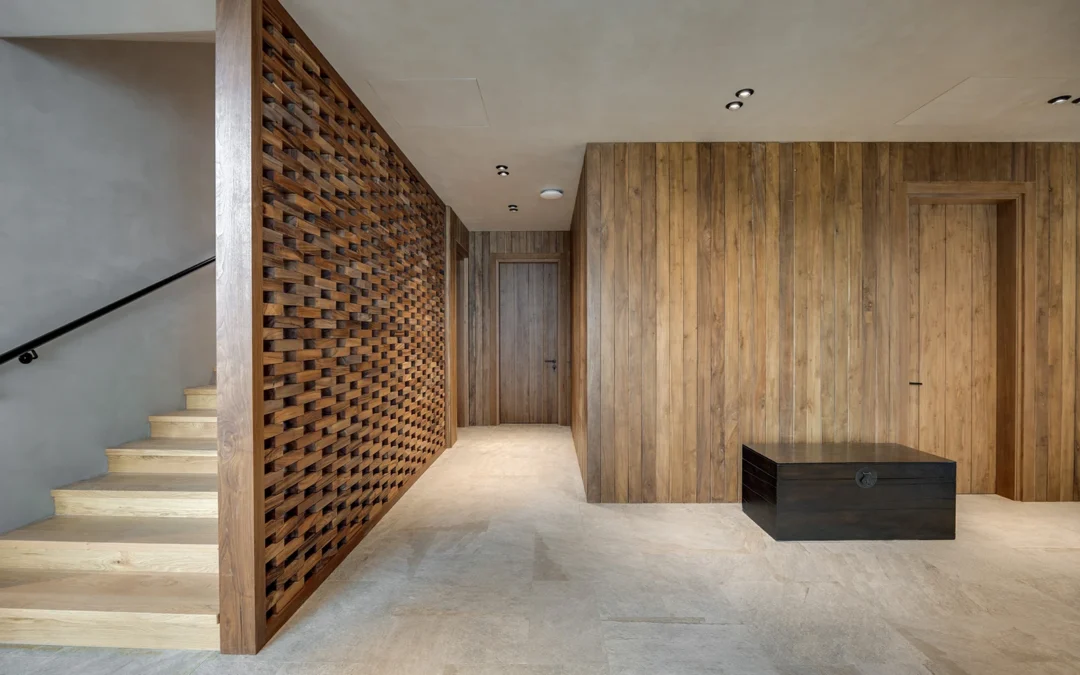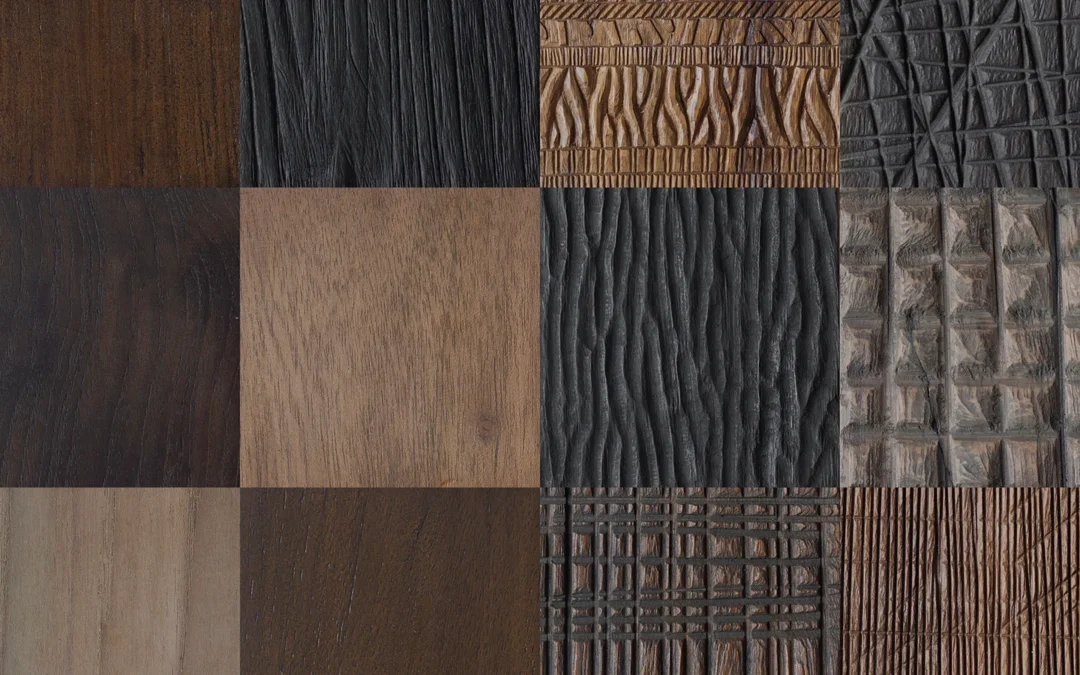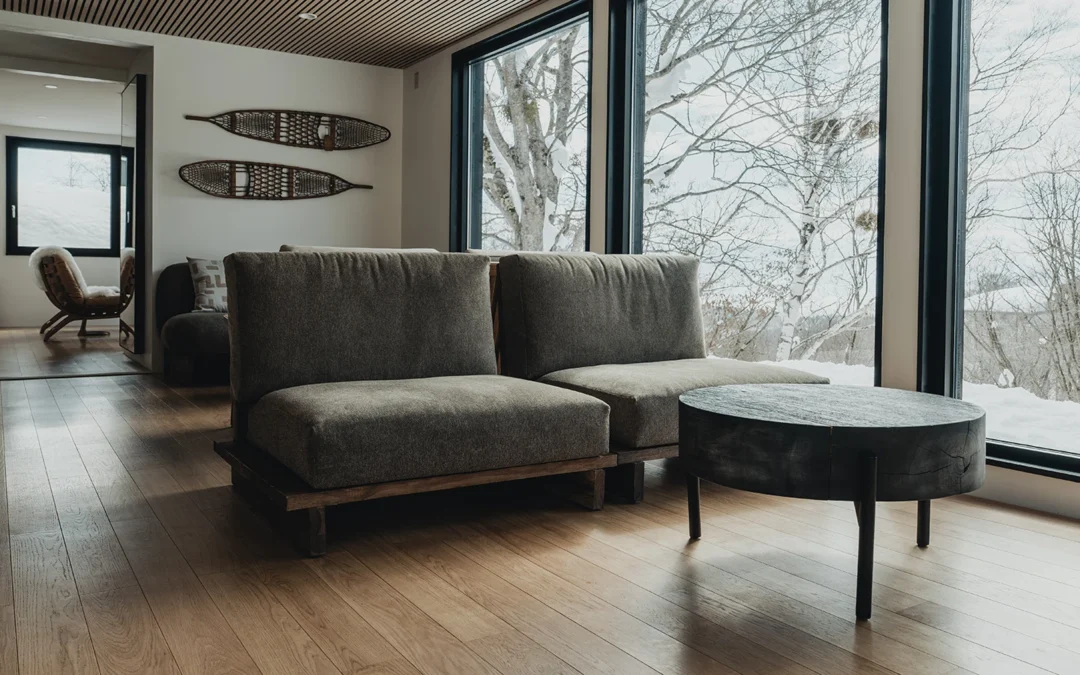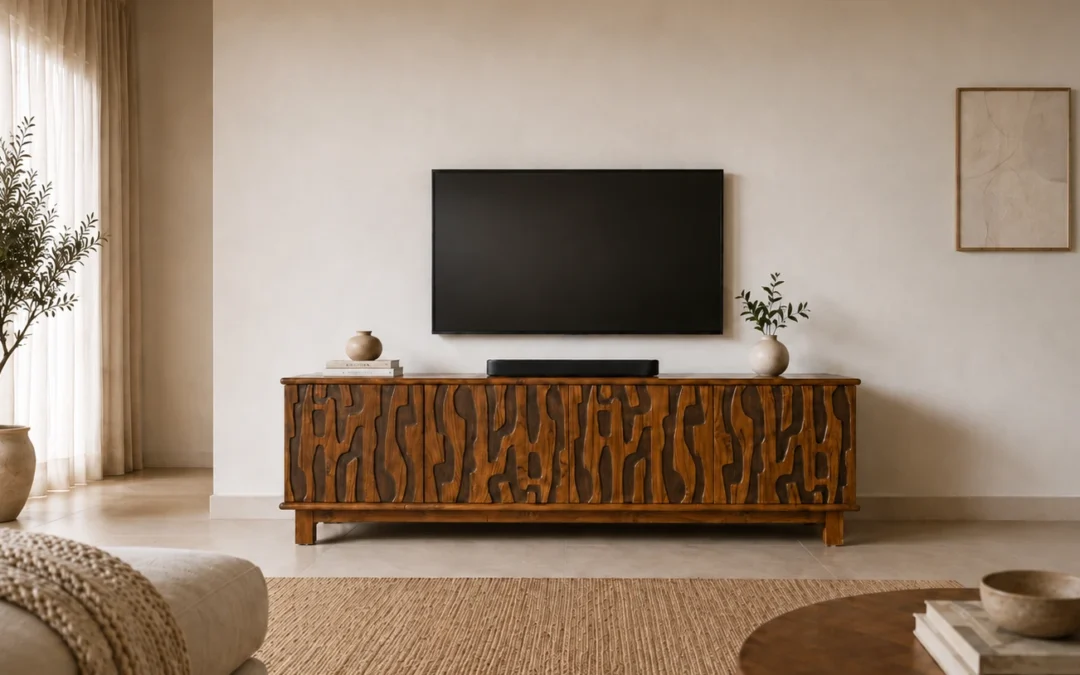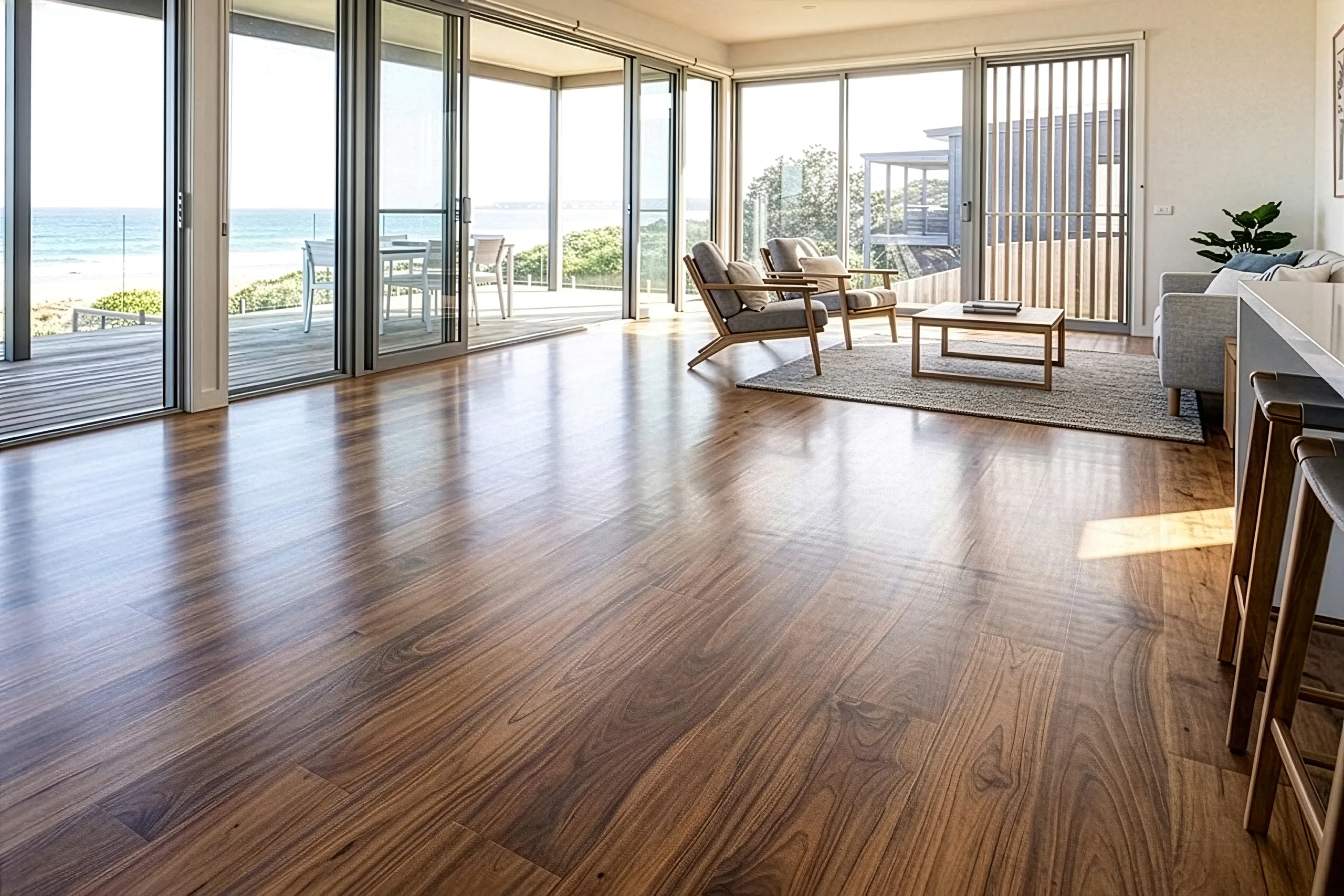
Thinking about reclaimed teak flooring for your home or project? If you’re building in Australia or Europe, here’s what you need to know.
Is reclaimed teak flooring suitable for Australia and Europe?
What Is Reclaimed Teak Flooring?
Reclaimed teak flooring is solid teak timber salvaged from old buildings and re-milled into new flooring boards.
Instead of cutting down new trees, structural timber that has already aged naturally for decades is restored, precision-cut, and prepared for modern residential use.
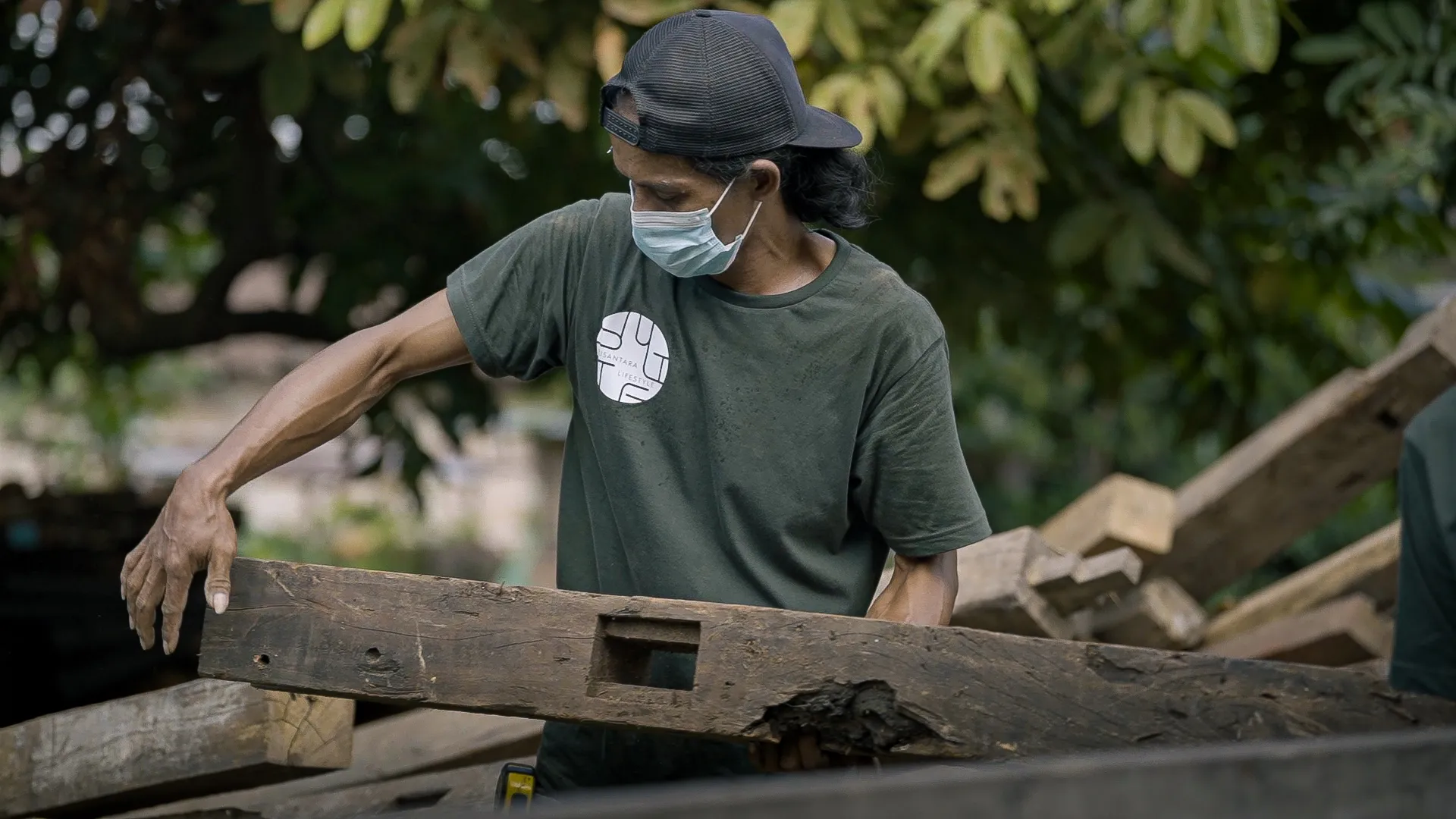
At Nusantara Lifestyle, most of our timber comes from traditional Indonesian homes known as joglos, which are structures that have stood for decades, sometimes even close to a century, before being carefully dismantled.
Because the wood has already lived through many years of seasonal change, it is naturally seasoned in a way newly harvested timber simply isn’t.
Is Reclaimed Teak Flooring Suitable for Australian Homes?
Yes. Reclaimed teak performs exceptionally well in Australian conditions, including heat, UV exposure, and coastal humidity.
Australian homes are demanding environments:
- Intense sunlight through large glass doors
- Hot summers across much of Australia, from Perth to Melbourne and Central Australia
- Humid wet seasons in Queensland and the Top End
- Coastal salt air
- Air conditioning and heating cycling year-round
That’s a decent stress test for any piece of timber. Reclaimed teak handles it well because it’s dense, oil-rich, and already mature.
Does Reclaimed Teak Fade in Strong Australian Sun?
All timber changes slightly over time, which is completely normal, because it’s a natural material!
However, teak contains natural oils that help it resist rapid drying and surface degradation. With the correct finish, it ages evenly rather than fading unevenly or breaking down.
Cheaper timbers often dry out, fade, or cup under strong sun. Cupping is when the edges of a board lift slightly higher than the centre because the top and bottom are reacting differently to heat and moisture. Over time, this leaves the floor looking uneven and stressed.
Properly finished reclaimed teak behaves very differently.
Does Reclaimed Teak Handle Coastal Conditions?
Yes — extremely well.
Coastal environments combine:
- Salty air
- High humidity
- Strong UV
- Rapid moisture fluctuations
Lower-density plantation timbers often cup or warp in these conditions. Engineered boards can start to separate internally when moisture stress builds up — the glued layers loosen, and the board can bubble, lift, or fail over time.
Teak has been used in marine environments for centuries because of its density and natural oil content — think boats and boat houses, as well as coastal homes. These features of the wood help reduce stress caused by moisture build up, as well as movement, compared to many newer hardwoods.
Does Reclaimed Teak Move or Expand?
Yes. All timber moves.
Wood is (here’s a fun term) hygroscopic, meaning it absorbs and releases moisture. That means seasonal expansion and contraction is normal.
What really matters isn’t whether timber moves — it’s how much.
Reclaimed teak has already expanded and contracted through decades of seasonal shifts before it ever reaches your home or project. It’s not freshly cut wood still figuring itself out and adjusting to life. It’s been there, done that.
That maturity makes it far more predictable than newly harvested timber.
Install it properly, allow for some expansion, and any seasonal movement will be minor and manageable, rather than the kind of shifting you see with younger, less stable wood.
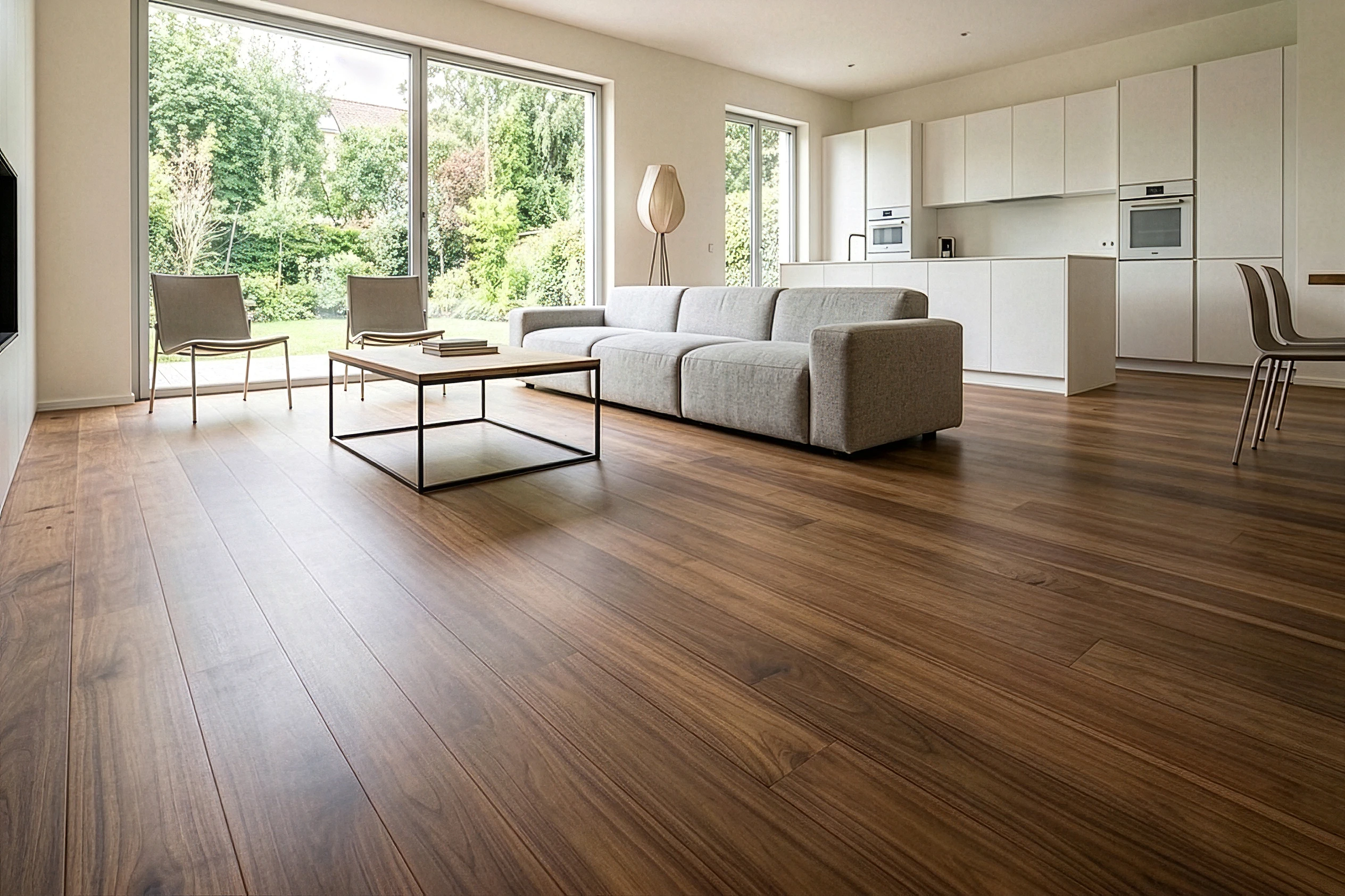
Is Reclaimed Teak Suitable for Underfloor Heating in Europe?
Yes — if installed correctly.
Underfloor heating is common across Europe, and solid timber can absolutely work over it when installed properly.
Reclaimed teak has several advantages here:
- High density
- Natural oil content
- Long-term seasoning
- Improved stability compared to younger hardwoods
Underfloor Heating: Don’t Cut Corners
Underfloor heating works beautifully with solid reclaimed teak, if it’s installed correctly.
That means:
- Test your subfloor moisture properly
- Let the timber acclimatise on site as it needs time to settle in
- Allow proper expansion gaps
- Bring the heating up gradually — don’t crank it on full on day one
When reclaimed teak is used, more flooring failures are installation failures, not timber failures.
Do it right and reclaimed teak performs brilliantly with underfloor heating systems.
How Does Reclaimed Teak Handle European Seasonal Changes?
Like Aussie climates, European seasons are also an excellent stress test for timber, so, you might notice:
- Fine seasonal gaps in drier months
- Slight expansion when humidity rises
- A gradual deepening of tone over the years
None of this is structural failure, it’s just wood behaving like wood. If you want a surface that never changes, then you need to go synthetic. If you want a floor that settles in, stabilises, and gets better with age — timber wins every time.
How Long Does Reclaimed Teak Flooring Last?
Short answer? A long, long time. We certainly won’t be around to see how our furniture and flooring ends up! So let’s just say solid reclaimed teak flooring can last 40–80+ years when installed properly and looked after.
Because it’s full-thickness hardwood:
- It can be sanded and refinished multiple times
- Surface wear doesn’t mean you need to replace it
- There’s no thin veneer to wear through
Flooring is expensive and a major hassle to replace. It’s not a small job. So if you choose to go reclaimed, it will be a very, very long time until you need to make another flooring decision again.
Is Reclaimed Teak Better Than Engineered Flooring?
Engineered boards usually consist of:
- A thin hardwood veneer
- Glued to plywood or composite layers underneath
Once that top veneer wears through, that’s game over. Replacement time.
Solid reclaimed teak?
- It’s hardwood all the way through
- It can be refinished again and again
- There’s no veneer to fail
- No glue layers waiting to separate under stress
If we’re talking lifespan, strength, and refinishability (did we just invent that word? anyway, you get what we mean), reclaimed teak wins every time.
Is Reclaimed Teak Sustainable?
Here’s where things get really interesting.
Plantation teak is often marketed as sustainable. But plantations are monocultures — rows and rows of the same tree, replacing complex ecosystems. Then the timber is kiln-dried in energy-hungry ovens to rush it to market.
That’s a very different story to working with what already exists.
Reclaimed timber avoids:
- New logging
- Plantation land clearing
- Energy-intensive rapid kiln drying
Nusantara Lifestyle is FSC® Recycled certified, which means our timber is independently verified as reclaimed material.
We 100% believe that genuine sustainability isn’t about planting a few trees and calling it a day. It’s about using what we already have.
Walk the walk.
What Maintenance Does Reclaimed Teak Flooring Require?
We’ll be honest: when it comes to wood, nothing is zero maintenance. Not even that bamboo cutting board you just bought from IKEA.
But reclaimed teak is low maintenance.
Basic care looks like:
- Sweep or vacuum regularly
- Damp mop (not soaking wet)
- Skip harsh chemical cleaners
- Re-oil or refinish when needed — often years apart
The big win?
Solid teak can be restored. Scratches, wear, and marks can all be sanded back and renewed.
You’re not stuck replacing the whole floor because the top layer wore thin.
What Drives the Cost?
Several factors influence price:
- Board width and thickness
- Character grade (clean vs more rustic)
- Installation method
- Freight to Australia or Europe
Yes, reclaimed teak costs more upfront than newer wood or engineered boards, the stuff with the plastic veneer.
But spread that cost over 50–80 years and it starts looking like a different equation, doesn’t it?
Is Reclaimed Teak Flooring Right for You?
It probably is if you:
- Want long-term durability
- Care where your materials come from
- Appreciate natural variation
- Prefer materials that age rather than deteriorate
- Love a good story
It might not be if you:
- Expect zero seasonal movement
- Want perfectly uniform colour
- Prefer fully synthetic finishes
If you’re building or renovating in Australia or Europe and want flooring that handles climate stress, underfloor heating, coastal exposure, and long-term wear, then reclaimed teak is a serious contender.
It will move slightly, and there will be some variation from board to board, and it will gradually change its tones over time. But this is all part of the magic.
Any more questions that we didn’t answer here? Or are you ready to start thinking seriously about reclaimed teak flooring for your home or development project? We can’t wait to have that conversation.