There’s still a hell of a lot of work to do, but sustainability in hospitality has improved in recent years. Major hotels, resorts, restaurants, and retreats are under increasing pressure to reduce their environmental impact, and that pressure is starting to come from all sides. Guests, owners, brands, investors, and governments are all starting to pay attention.
And to be fair, some businesses are doing a pretty good job. They’re installing energy-efficient lighting, solar power, and water-saving fixtures, they reduce or repurpose food waste, and prioritise local sourcing in their kitchens. They’re swapping single-use plastic amenities for refillable bottles, and plastic key cards with wooden ones.
But there’s one area that still tends to almost always fly under the radar:
Furniture.
So why does furniture rarely factor into hospitality sustainability strategies, despite its scale and environmental impact?
Where hospitality has made progress, and where it hasn’t
While many large hospitality businesses now have sustainability measures built into their operations, and some smaller ones are starting to do the same, what’s less commonly considered is the physical environment guests interact with every day.
Chairs, sofas, tables, beds, bedside tables, deck chairs, bar stools and plenty of other furniture and storage types are everywhere in these businesses, but they’re rarely part of sustainability measures — or even conversations.
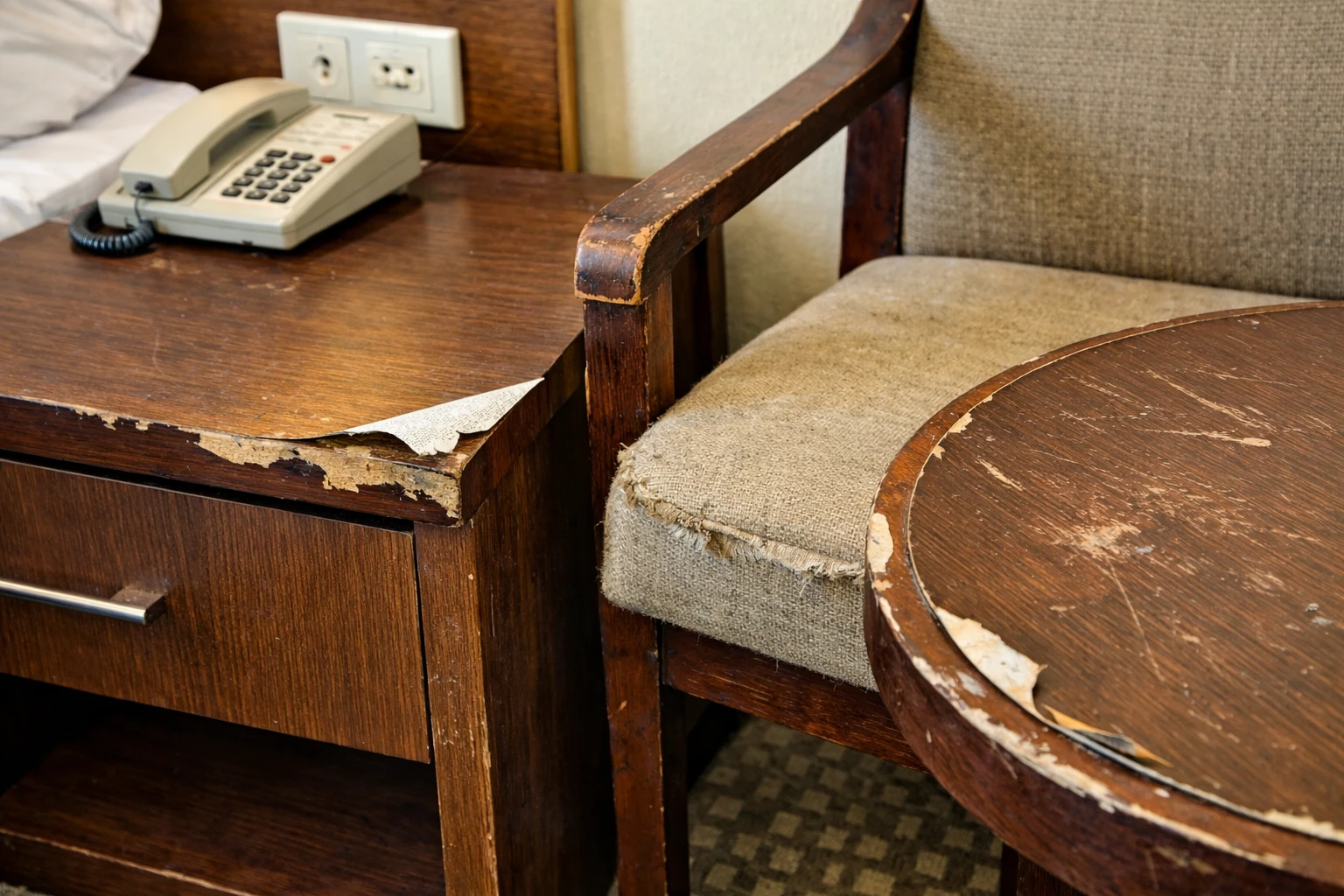
In many projects, furniture is treated as décor. It’s treated as something to blend with the hotel’s or restaurant’s concept, photograph well, and as something that can be easily replaced when there’s wear and tear. Sometimes this happens far sooner than expected.
But mass-produced furniture made from virgin timber, veneers, laminates, and mixed materials struggles in these high-traffic environments. Veneers chip, joints loosen, and surfaces swell. Repairing the damage is difficult and often seen as not worth the effort, so often entire pieces are thrown out.
If a hotel is renovating and doesn’t have a donation partner, old furniture and fixtures most often end up in landfill. This creates a single-use replacement cycle that’s expensive for businesses, wasteful, and rarely accounted for in sustainability reporting.
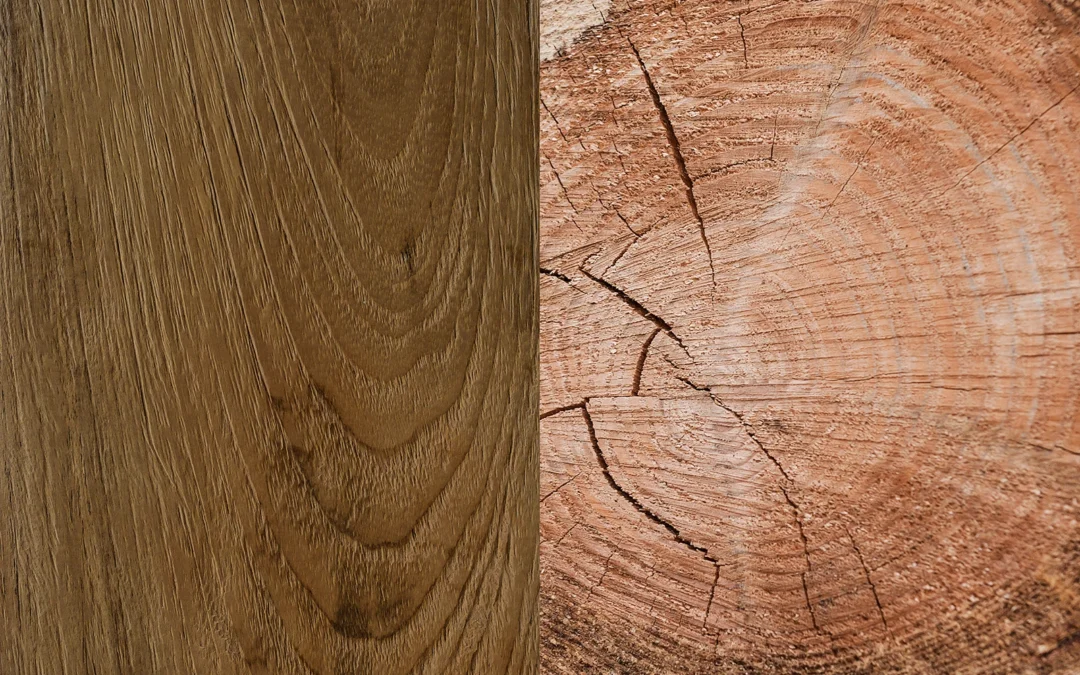
There’s also the timber question. Often furniture used in hospitality is labelled “sustainable” because it uses plantation timber. But in reality, plantation systems rely on monocultures that damage ecosystems, reduce biodiversity, and take decades to regenerate. Add kiln drying, chemical finishes, and long shipping distances, and the footprint adds up very quickly.
Furniture has an impact. It’s just one that isn’t being considered by most of the hospitality sector so far.
Why reclaimed timber works for hospitality
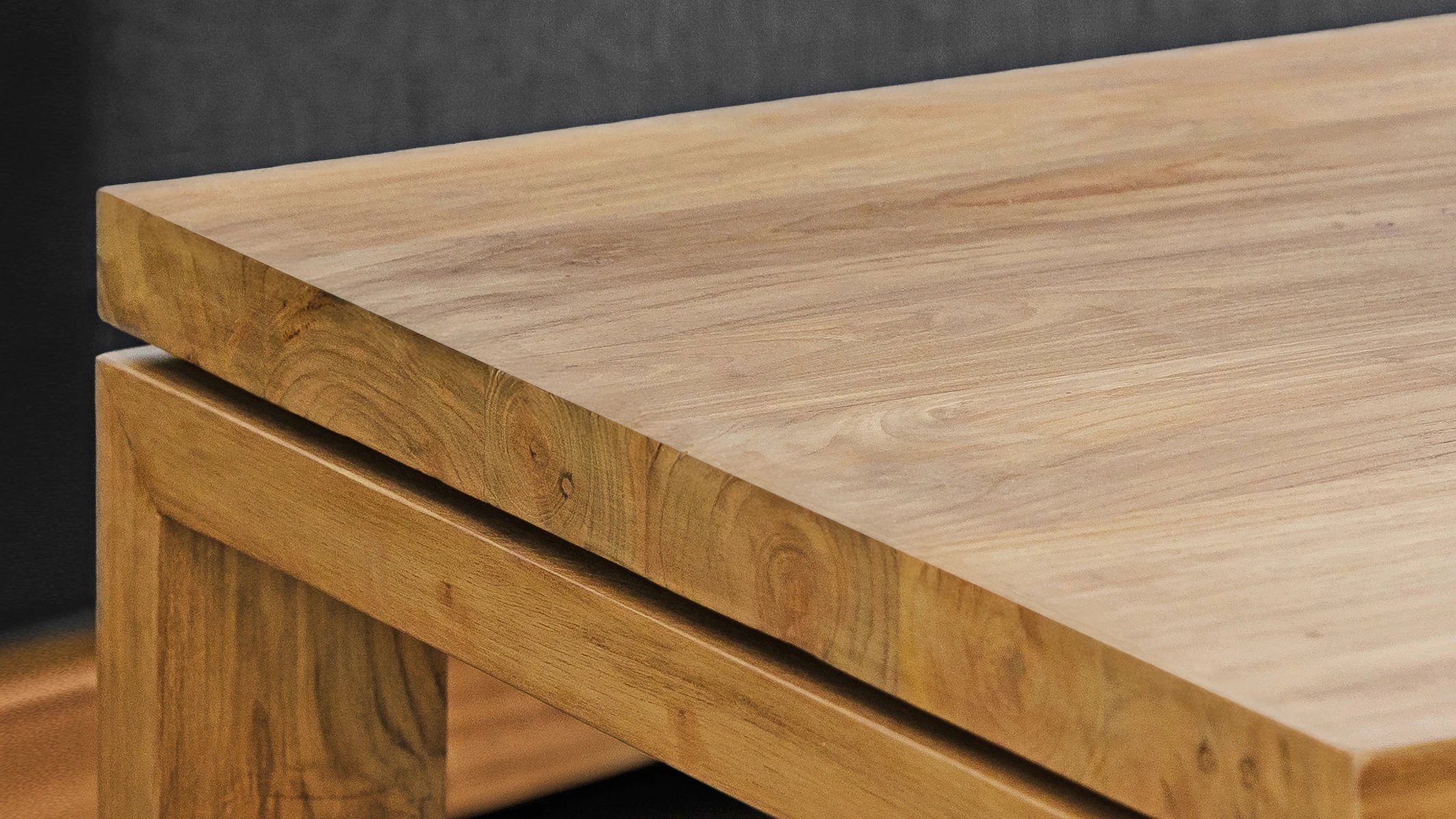
Hospitality furniture needs to look good and be comfortable while also working hard, as it’s used constantly and cleaned frequently. This is where reclaimed timber, particularly reclaimed teak, makes a lot of sense. This is the only type of timber we work with, and we have FSC Recycled certification to back this up.
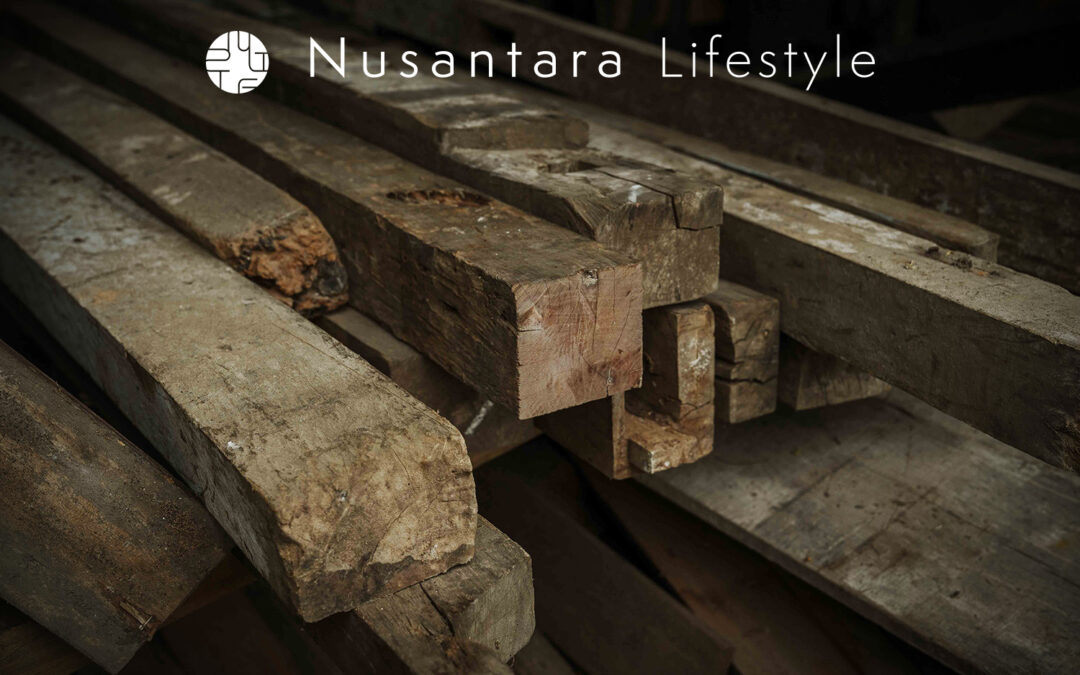
The reclaimed teak we use has already lived a long life. Much of it comes from traditional structures in Java that have stood for decades, sometimes even longer. It’s been naturally dried over time, which makes it dense, stable, and extremely strong.
In practical terms, that means furniture that can handle heavy use without falling apart. It can be repaired rather than replaced, it can be refinished instead of thrown away. We honestly feel that constant use doesn’t ruin reclaimed timber, but adds to its unique character.
From a sustainability perspective, reclaimed timber is the only genuinely sustainable option for furniture, as well as flooring, decking and cladding. Using what already exists entirely avoids cutting down new trees. And we’ll say it again: plantation timber is not responsible or sustainable, as it still requires the replacement of biodiversity with monoculture.
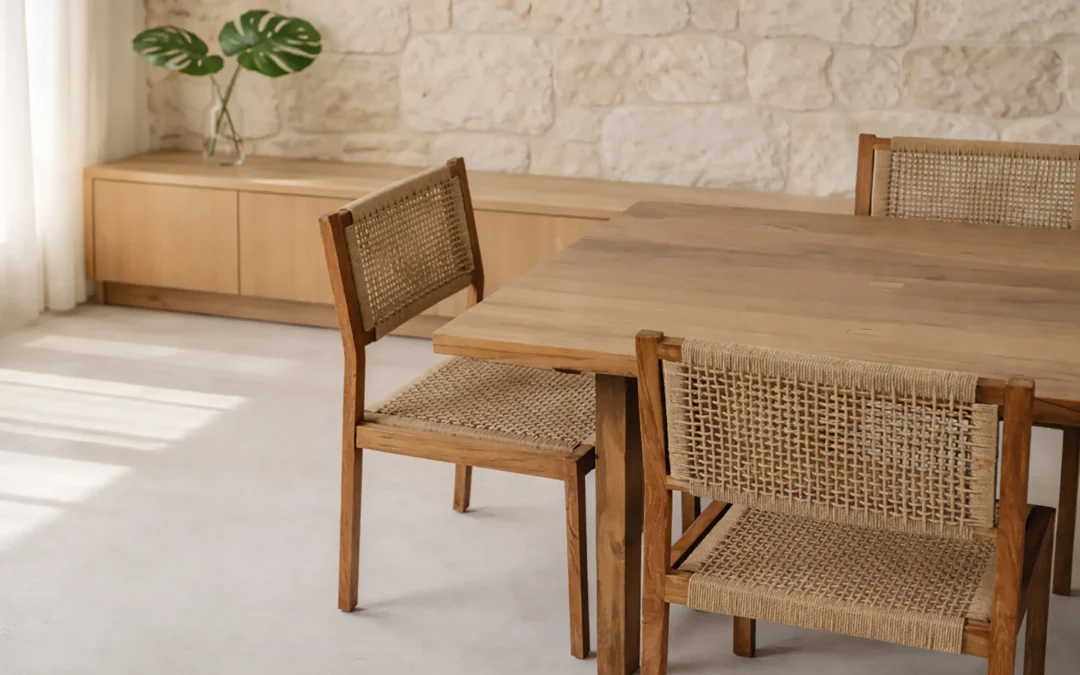
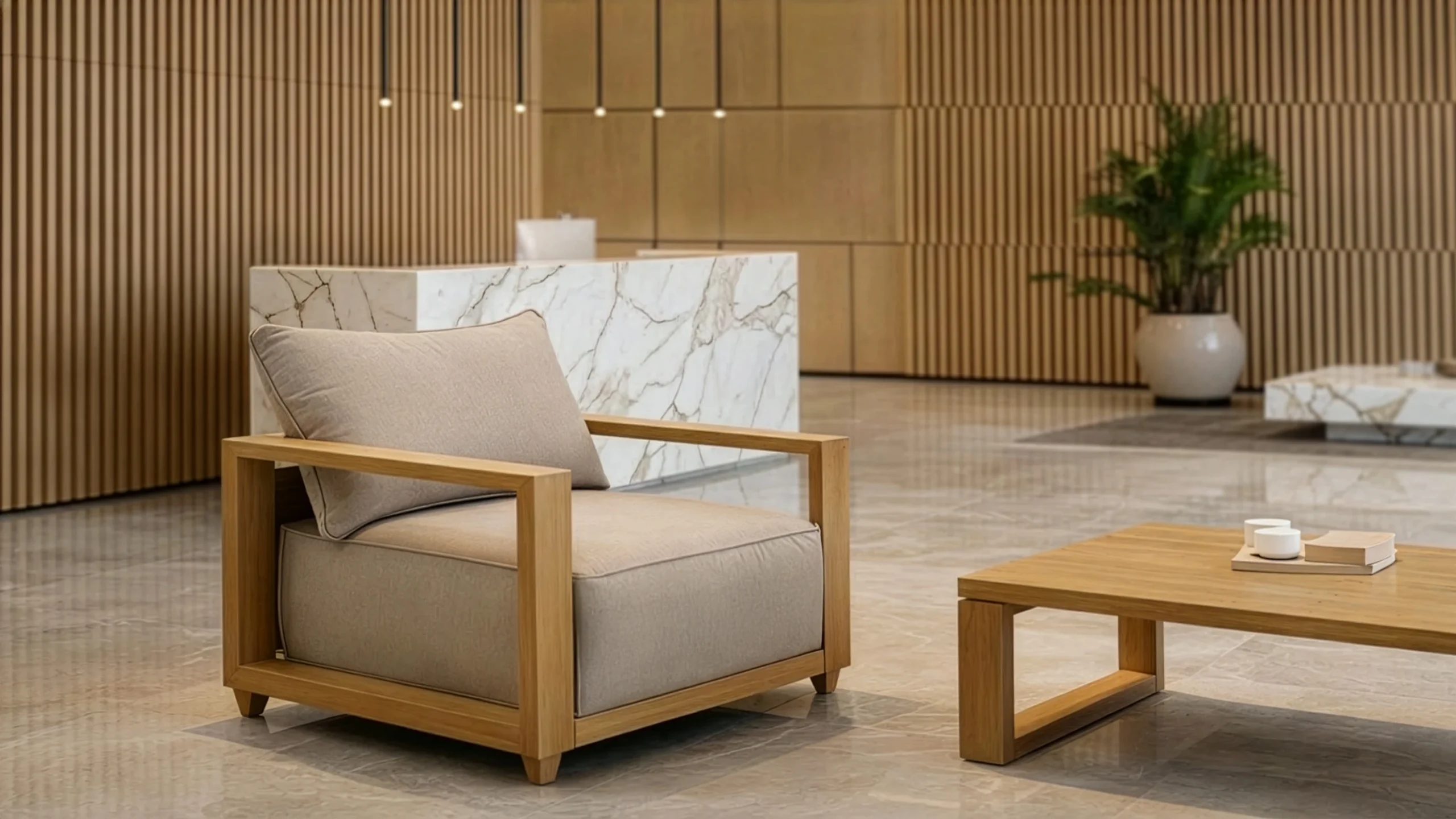
It’s also really important to remember that reclaimed teak does not automatically mean rustic. It can be clean, refined, and contemporary. It just doesn’t try to be factory-perfect.
Thinking long-term
A chair that lasts a few years has a very different impact to one that lasts 50. A bed that’s replaced in every renovation tells a very different story to one that can be repaired, refinished, and kept in use. It’s also easy to see which one is more economically viable over time.
For hospitality businesses that claim to be taking sustainability seriously, furniture must be part of operations. There may no longer be single-use amenities in the bathrooms, but what is the bed, chairs and sofa made from, and what are they finished with?
If sustainability genuinely matters to your business, then it’s time to include furniture.
If you’re interested in custom-made furniture that looks beautiful and is built for high-traffic hospitality environments, feel free to get in touch. We’re always happy to talk things through.