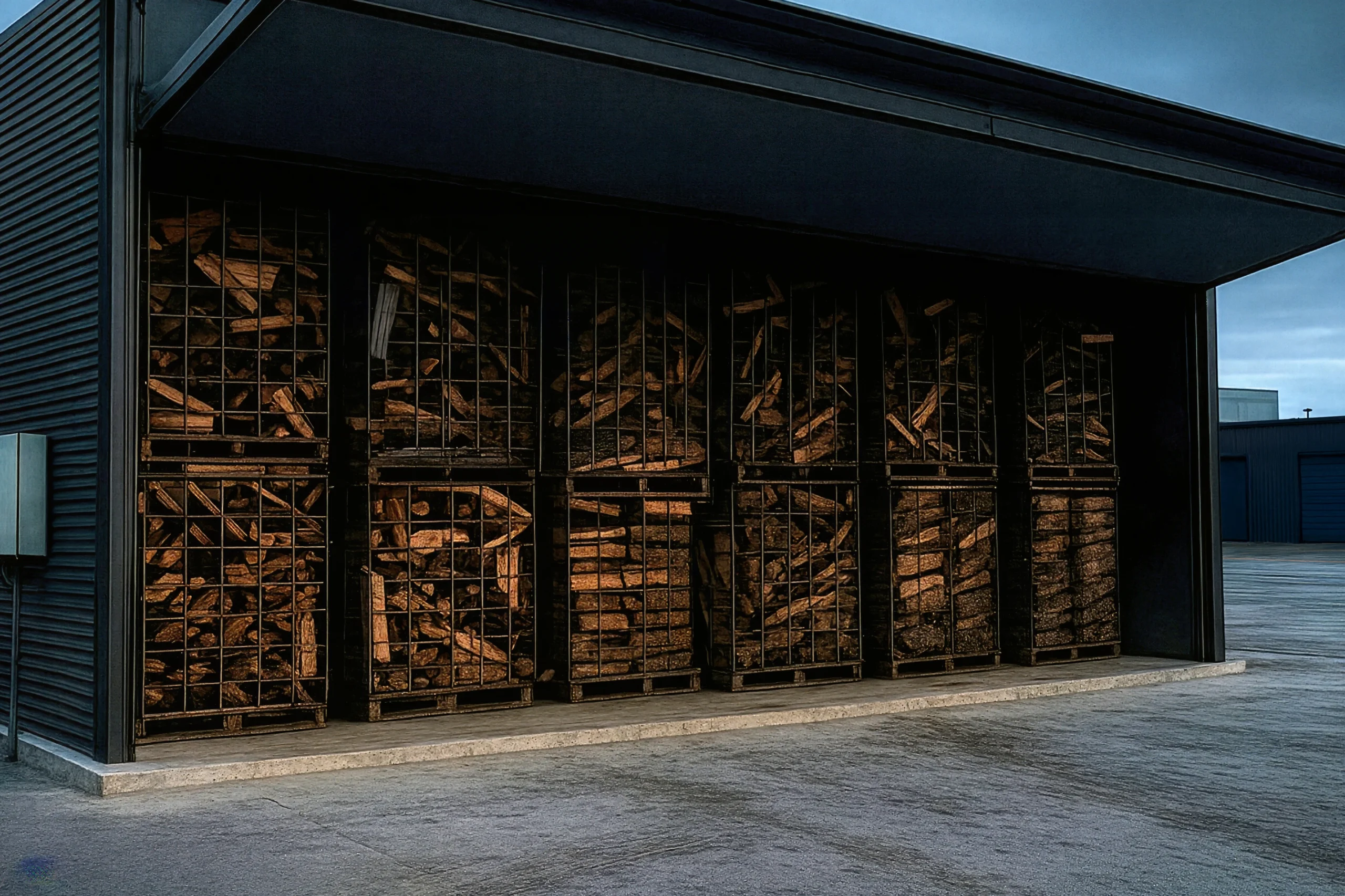
If you’ve ever bought new wooden furniture, the information about it may have mentioned that the piece was made from ‘kiln-dried’ wood. And you probably thought that was a good thing. After all, dry wood means strong, durable furniture, right?
Well, yes, but there’s a huge environmental catch. Kiln-drying might make furniture easier to mass-produce and ship faster, but the process requires an enormous amount of energy, creates unnecessary carbon emissions, and, ironically, weakens the claim of ‘sustainability’ that so many furniture brands love to promote.
At Nusantara Lifestyle, we believe that the best wood has already done its drying naturally and over many many decades. Reclaimed teak that’s been part of traditional homes or boats doesn’t need to be baked in an oven. It’s already seasoned, solid, and full of stories.
So, let’s dig a bit deeper into why kiln-drying has such a hidden carbon cost, and why working with reclaimed timber isn’t just the greener option, but the smarter one.
Kiln-Drying: The Ugly Truth
Let’s be honest, kiln-drying sounds neat and efficient. Big ovens, high heat, perfectly dry timber in a matter of weeks. But behind the convenience lies a serious environmental cost that most of the furniture industry doesn’t like to talk about.
According to studies from Japan’s Forestry Society and the European wood industry, kiln-drying alone can produce anywhere between 250–365 kilograms of CO₂ emissions for every cubic metre of lumber. That’s before the wood even becomes furniture. In many cases, kiln-drying accounts for more than half of all the energy used in the timber manufacturing process — a figure that should make anyone claiming ‘eco-friendly’ new wood think twice.
Fuel, Fire, and Fossil Energy
Most commercial kilns are powered by fossil fuels, often diesel, coal, or natural gas. The process requires the wood to be heated for days or even weeks at temperatures reaching up to 120°C. That’s a lot of energy, and a lot of carbon released for the sake of speeding up something nature does perfectly well on its own over time.
Even when powered by biomass or waste wood, these kilns can emit volatile organic compounds (VOCs) like terpenes, which are gases that contribute to ground-level ozone and air pollution. The bottom line? Kiln-drying might make timber easier to sell fast, but it’s far from clean.
Dry Doesn’t Mean Durable
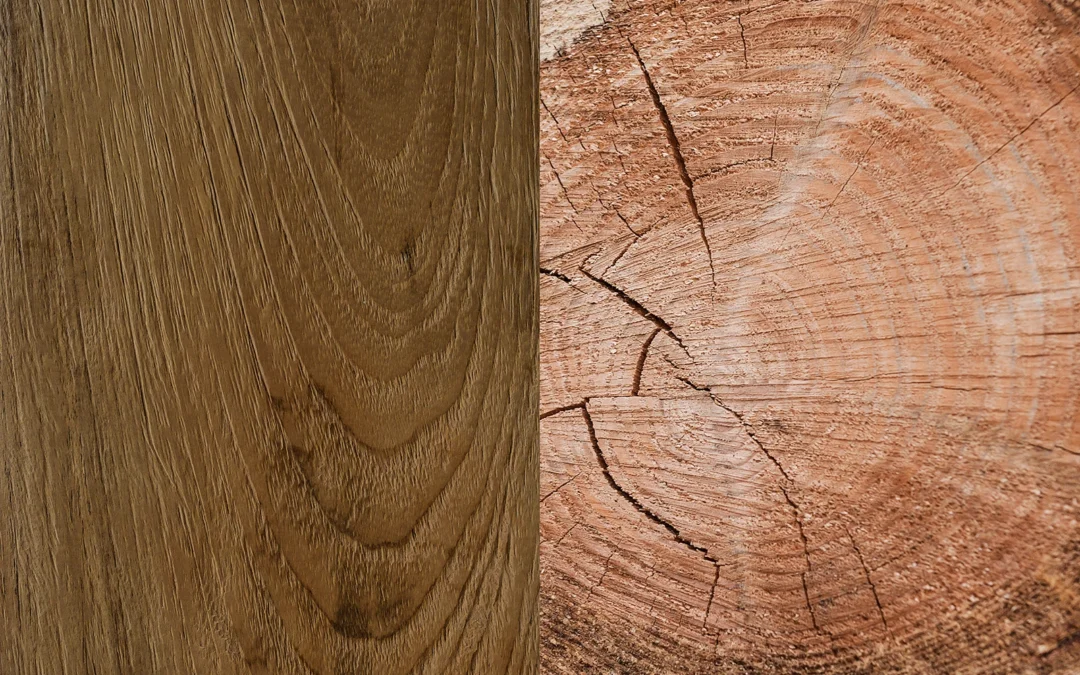
There’s also a quality issue. Fast, high-heat drying can cause stress inside the timber, changing its cell structure and making it more prone to cracking or warping later on. It’s one of those ironic situations where rushing the process can actually shorten the lifespan of the final product, which we reckon is the exact opposite of sustainability.
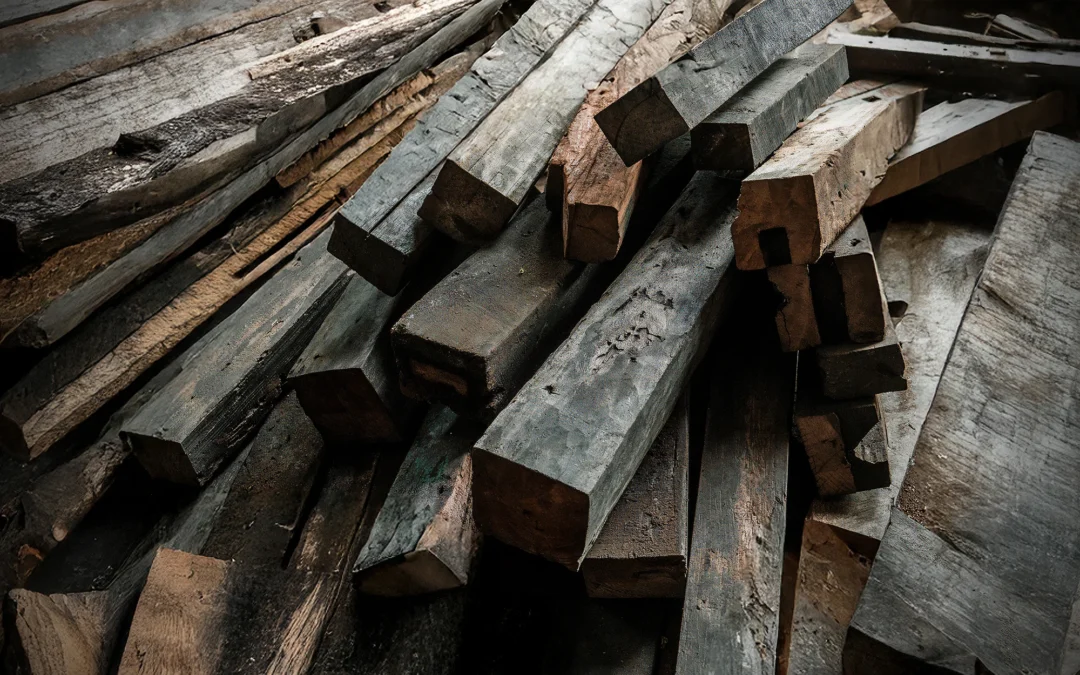
Now, compare that to the reclaimed teakwood that we use, which has been air-dried naturally for decades, exposed to the tropical climate, expanding and contracting season after season. By the time we get our hands on it, it’s already reached equilibrium with its environment. No ovens, no fossil fuels, no added carbon cost, just solid, time-tested strength.

The False Promise of ‘Sustainable’ New Teak
Let’s be real: every furniture company these days says they’re sustainable. You’ll see labels like ‘eco-certified’ or ‘responsibly sourced’ slapped onto just about anything. But when you look closer, most of this wood still comes from plantation systems that rely on clear-cutting native forests and replanting monoculture species.
Planting trees doesn’t erase the damage of deforestation. In fact, it often makes things worse. Monoculture plantations reduce biodiversity, degrade soil, and require irrigation, fertilizers, and pesticides to survive. When that timber is then kiln-dried using fossil fuels, the environmental footprint just keeps getting bigger.
We don’t want to be part of that cycle. Reclaimed teak doesn’t come from plantations. It comes from history — from homes and buildings that have already lived a full life. The wood’s carbon debt was paid long ago. By reusing it, we extend its lifespan and avoid adding new emissions to the atmosphere.
Why Naturally Dried Wood Always Wins
There’s something poetic about using timber that’s already stood the test of time. But beyond the romance, there’s real science to back it up.
Natural drying happens slowly, allowing the wood’s fibers to tighten and stabilize. The result? Timber that’s harder, more resilient, and less likely to crack. Kiln-dried wood, on the other hand, can become brittle or unevenly dried, leading to internal tension, which is why some ‘new’ furniture splits within a few years.
Natural drying also eliminates the need for industrial-scale heating, cutting the carbon footprint dramatically. It’s one of those situations where patience literally pays off in quality, character, and environmental impact.
Why The Furniture Industry Needs to Rethink its Obsession with Speed
The global furniture industry is hooked on speed. Everything needs to be faster: production, drying, shipping, installation. But faster rarely means better. It usually means cutting corners and burning more energy.
When you slow things down and think about the full lifecycle of a product, from source to finish, it becomes clear that ‘fast furniture’ is never sustainable.
Reclaimed wood challenges that. It invites us to respect the natural pace of materials. The timber is already there, waiting to be rediscovered. No need for heavy machinery, chemical drying, or mass plantations. Just craftsmanship, respect for history, and genuine sustainability.
And yes, it might take a bit more effort to process reclaimed teak. It’s tougher to cut, harder to sand, and comes with quirks that fresh timber doesn’t. But those quirks are what make it real. They remind us that not everything has to be new to be beautiful.
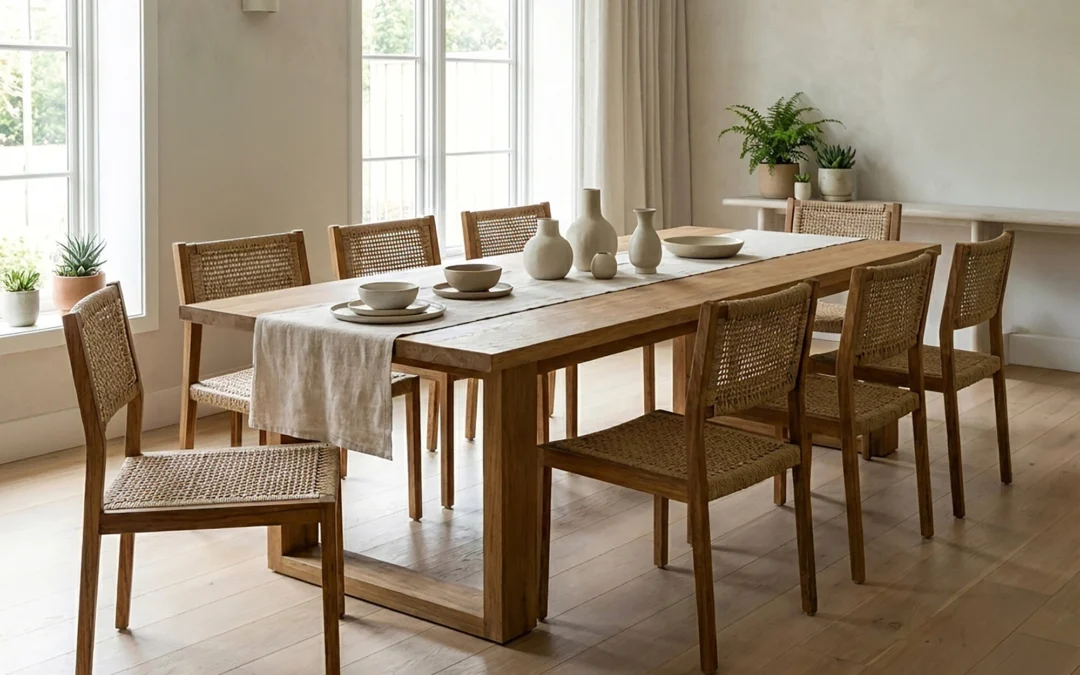
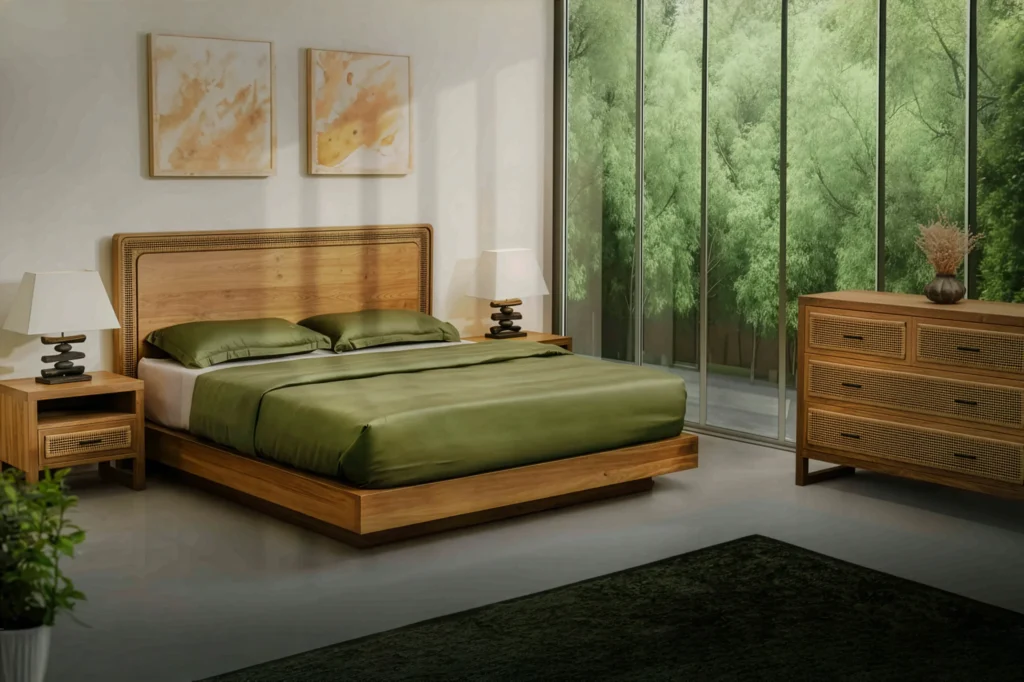
Looking to create your dream piece the sustainable way? We custom-make reclaimed teak furniture for homes, hotels, and spaces across the world, all from timber that’s already stood the test of time, while our flagship Alami range utilises the strength and beauty of reclaimed teakwood, with touches of natural rope handwoven by Indonesian artisans.
Visit nusantaralifestyle.com to start your sustainable furniture story.