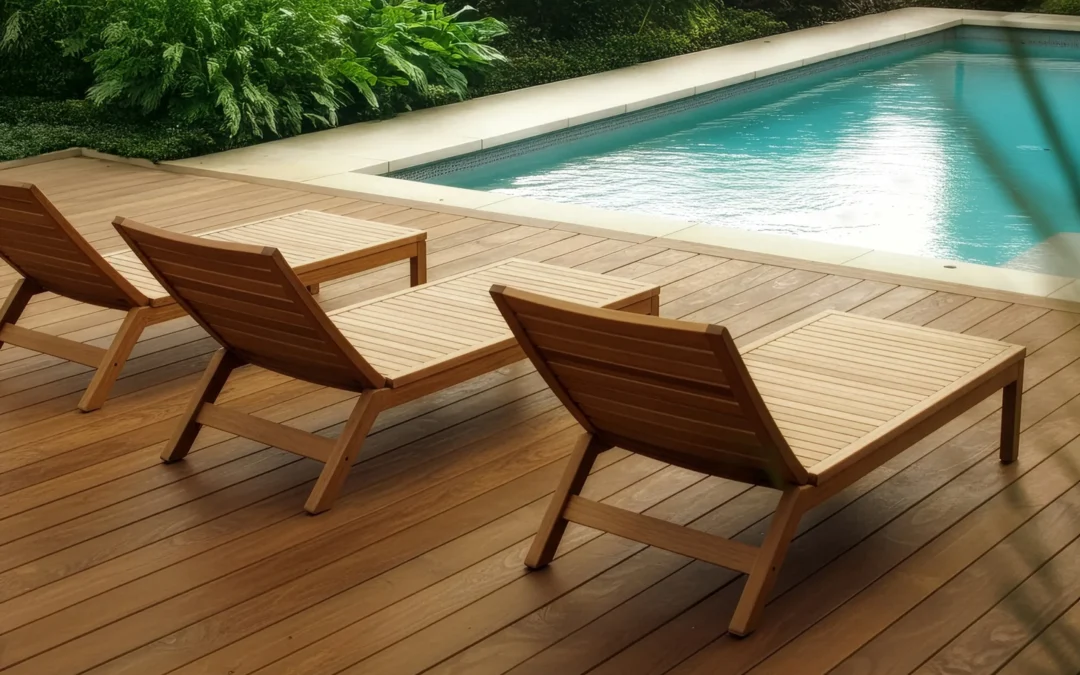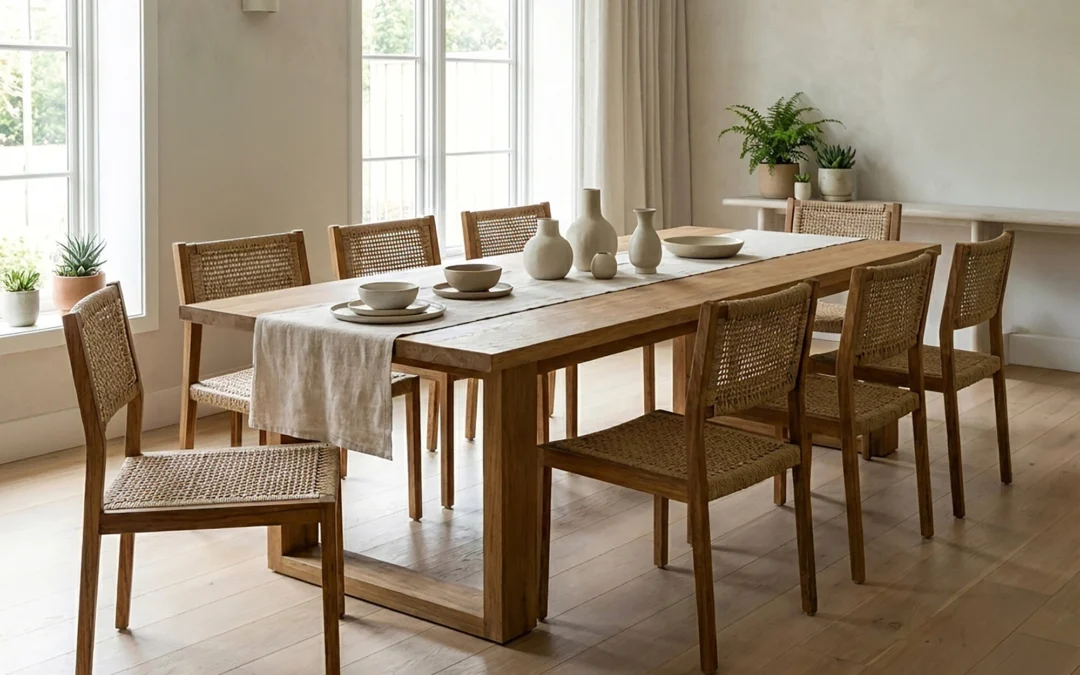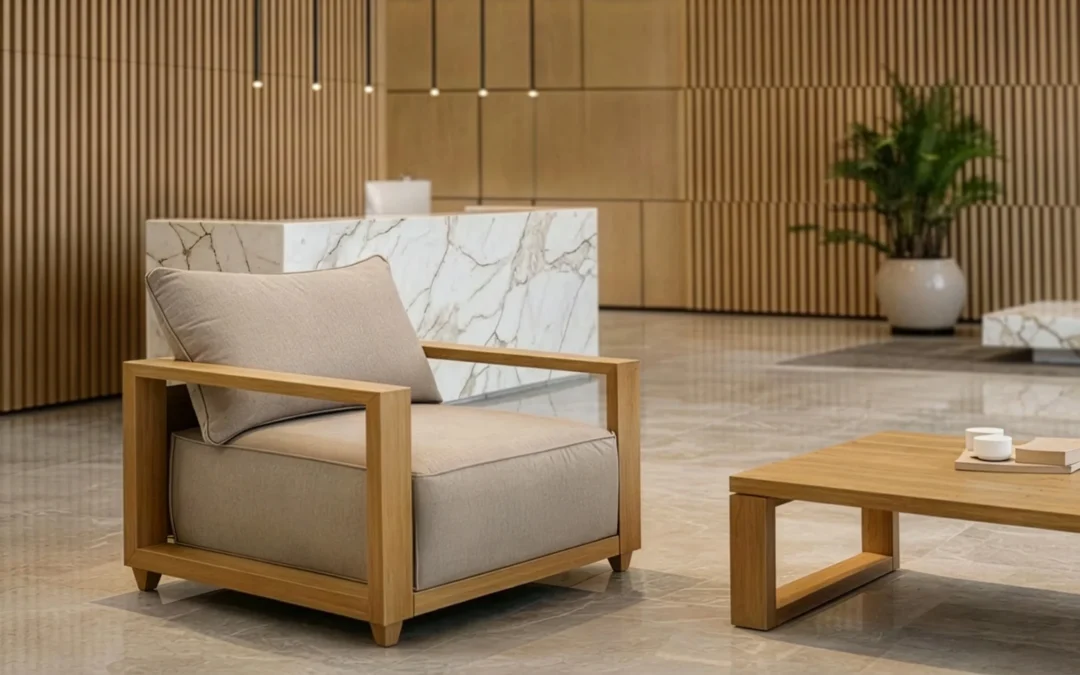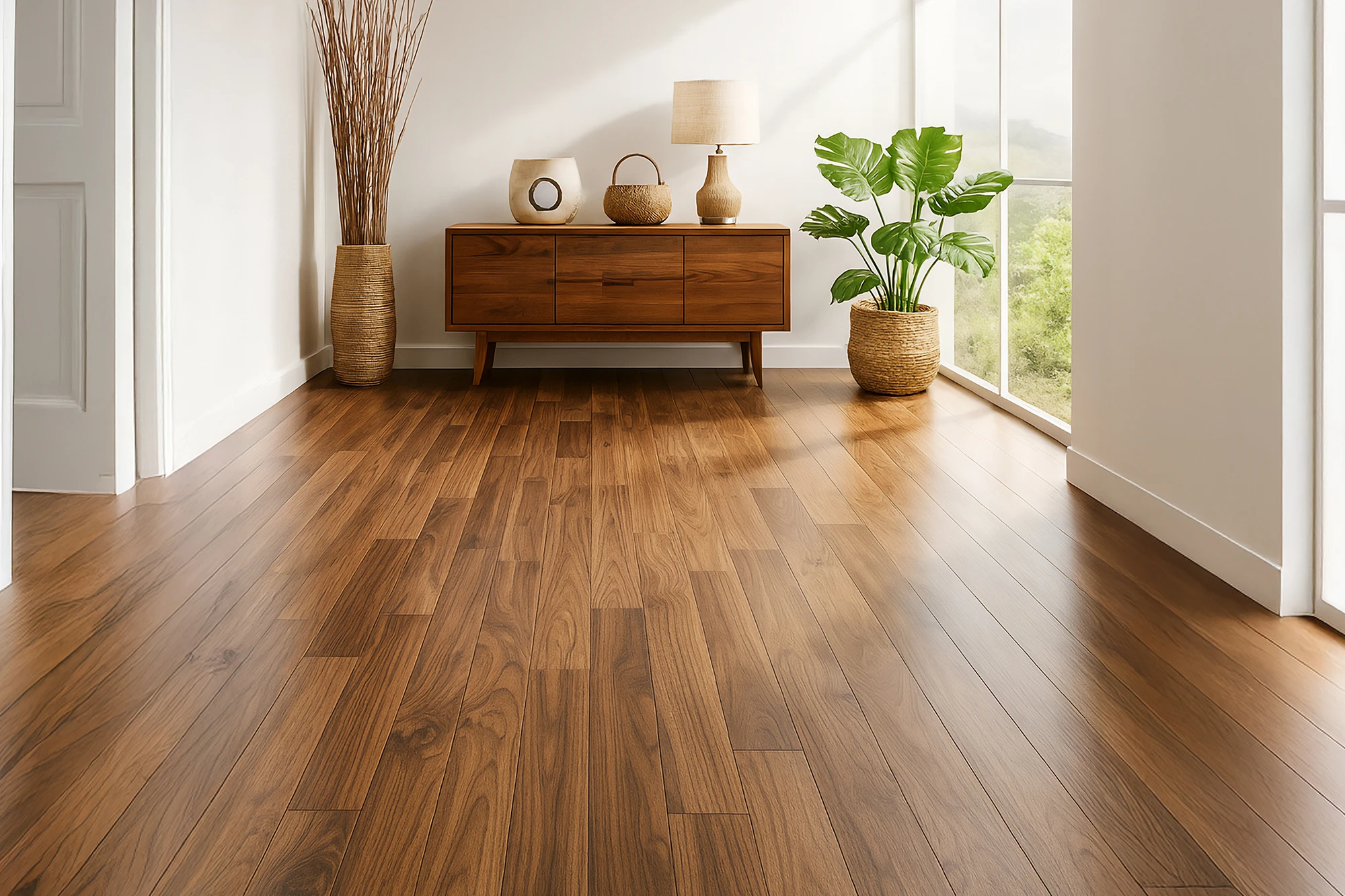
When choosing wooden furniture, or wood for floors, walls, or outdoor areas, the first question you should ask is: new or reclaimed wood? Both have their uses, but there are increasingly more reasons to choose reclaimed. To begin with, it makes use of what already exists; it brings durability, strength, and character to any space; and ultimately it means making a choice that will benefit future generations.
What is reclaimed wood?
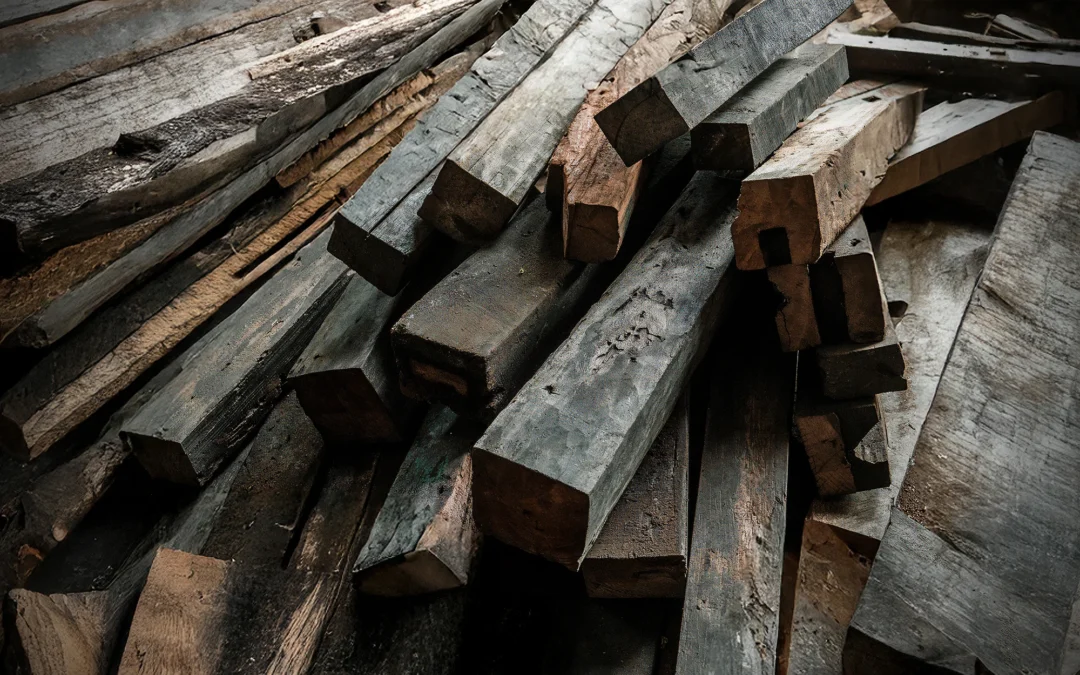
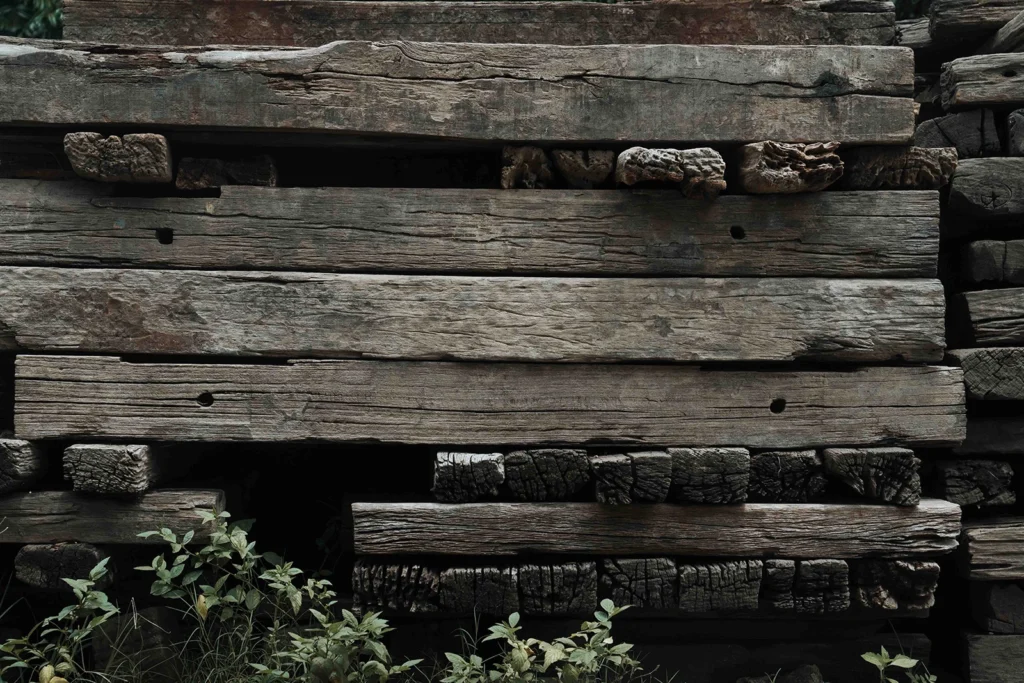
Reclaimed wood is timber that has been salvaged from a previously used structure, perhaps from an old house, warehouse, or here in Indonesia, a joglo or limasan home made from solid teak. Instead of being discarded, the wood is salvaged, cleaned and reworked for a new purpose.
Most of the teak we use at Nusantara Lifestyle comes from dismantled traditional homes in Java. These structures were built using traditional techniques and durable materials, and the wood has naturally aged over decades. That history lives on in the material, which is carefully shaped and transformed by hand into flooring, decking, cladding, and furniture for modern spaces.
Choosing reclaimed wood helps preserve forests and biodiversity
Indonesia is home to some of the world’s most ecologically rich rainforests. These landscapes store carbon, regulate climate and support biodiversity, but it’s now widely known that they’re under threat from both illegal and legal logging — including logging for new furniture production — as well as land clearing for monoculture plantations such as oil palm and rubber.
By choosing reclaimed wood, you are choosing to use what already exists without creating demand for the felling of more trees. It is a practical way to reduce pressure on forest ecosystems and to protect habitats that are vital for vulnerable communities and dozens of animal species, including species at risk of extinction.

Choosing reclaimed wood tackles furniture waste
Reclaimed wood plays a powerful role in reducing the amount of usable material sent to landfill, which is a growing challenge both here in Indonesia and in our biggest market: Australia.
In Australia, it is estimated that over 85% of unwanted furniture ends up in landfill. That’s almost 100%! This figure comes from the combined discarded amount from households and businesses, which discard tens of thousands of tonnes of furniture items each year. Office furniture alone contributes an estimated 30,000 tonnes annually, with over 95% of it going unrecycled.
Indonesia faces similar issues, though in different ways. While the country exports billions of rupiah in furniture each year, most regions still lack regulations or collection systems for old or unwanted items. Much of this bulky waste, including beds, cabinets and chairs, is dumped into already overburdened landfills. Of the estimated 68 million tonnes of solid waste produced in Indonesia annually, around 66% is simply discarded, with little recovery or reuse.
Choosing reclaimed wood is a solid way to tackle the problem. It keeps valuable material in circulation, supports local artisans and traditional knowledge, and helps reduce both deforestation and landfill.
To see our wood reclamation process in action, watch our short film Omah Kuno, which documents how old timber from traditional houses is transformed into something beautiful.

Choosing reclaimed wood reduces emissions
Reclaimed timber plays a meaningful role in reducing emissions, especially when compared to the carbon footprint of sourcing new wood. The production of new timber furniture typically involves deforestation, which releases large amounts of carbon stored in trees and soil. It also removes the forest’s ability to absorb future emissions.
Once harvested, fresh timber must be milled, kiln-dried and treated—processes that consume energy, often from fossil fuels. Transporting the wood from forest to factory to final destination adds even more emissions, particularly when shipping long distances. Reclaimed wood avoids these steps. It’s already been harvested and naturally seasoned, requiring minimal processing.
By choosing reclaimed, you help reduce the need for extraction and keep materials in circulation, supporting a lower-emission, more circular approach to building and design.
Choosing reclaimed wood means timeless style that just gets better with age
Beyond its various sustainability benefits, reclaimed wood has a visual richness that’s almost impossible to replicate with new timber. Time and use leave their marks: softening edges, deepening tones, and creating a texture that feels natural and lived-in. We don’t see these signs of age as imperfections, but as reminders of a material that has already had a life, and still has many more years to give.
Each board of reclaimed teak is unique, with grain patterns, colour variations, and subtle traces of its former use. In a world where mass production often aims for perfection and uniformity, reclaimed wood stands apart for its authenticity. Whether used for furniture, flooring, decking or cladding, its unique character is a major part of its appeal.
Over time, reclaimed teak doesn’t deteriorate, but continues to develop. The natural oils in the wood help it resist moisture and wear, while its dense grain ensures it holds up under pressure (check out our stringent, scientifically-proven strength testing methods to see exactly what we mean).
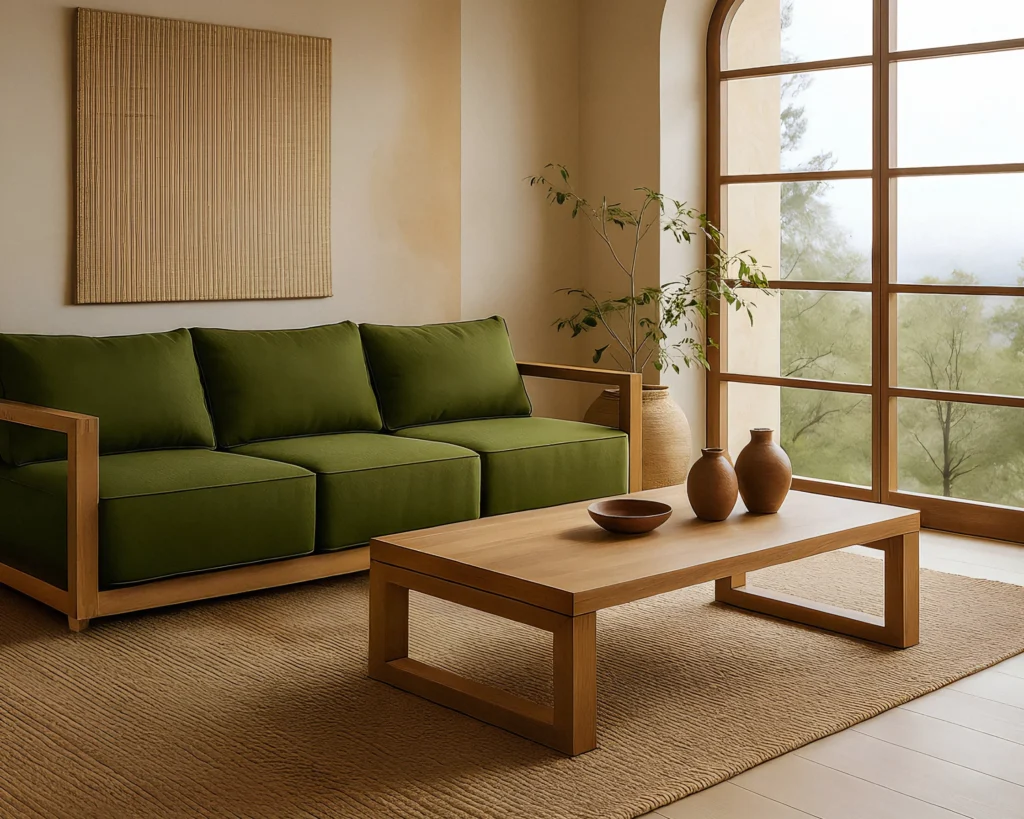
At the end of the day, choosing reclaimed wood means choosing to build responsibly without sacrificing style or quality. Whether you’re furnishing a home, fitting out a project, or laying the foundations of something new, choosing reclaimed means you’re choosing longevity, character, and responsibility. Explore the Alami furniture range and Akar flooring, decking and cladding range from Nusantara Lifestyle to see how beautifully the past can shape your future spaces.