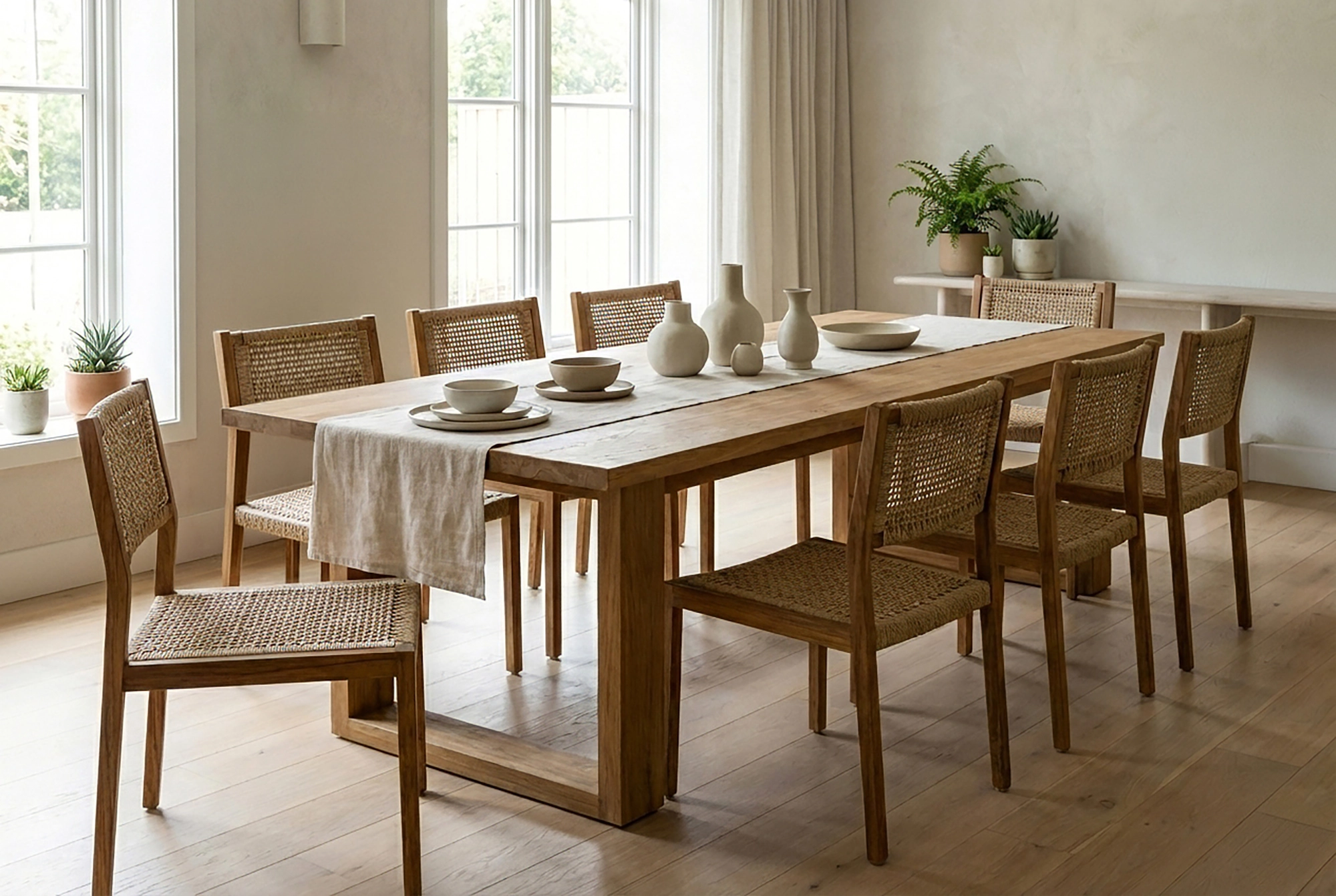
We know, we know… most people think reclaimed timber just means rustic.
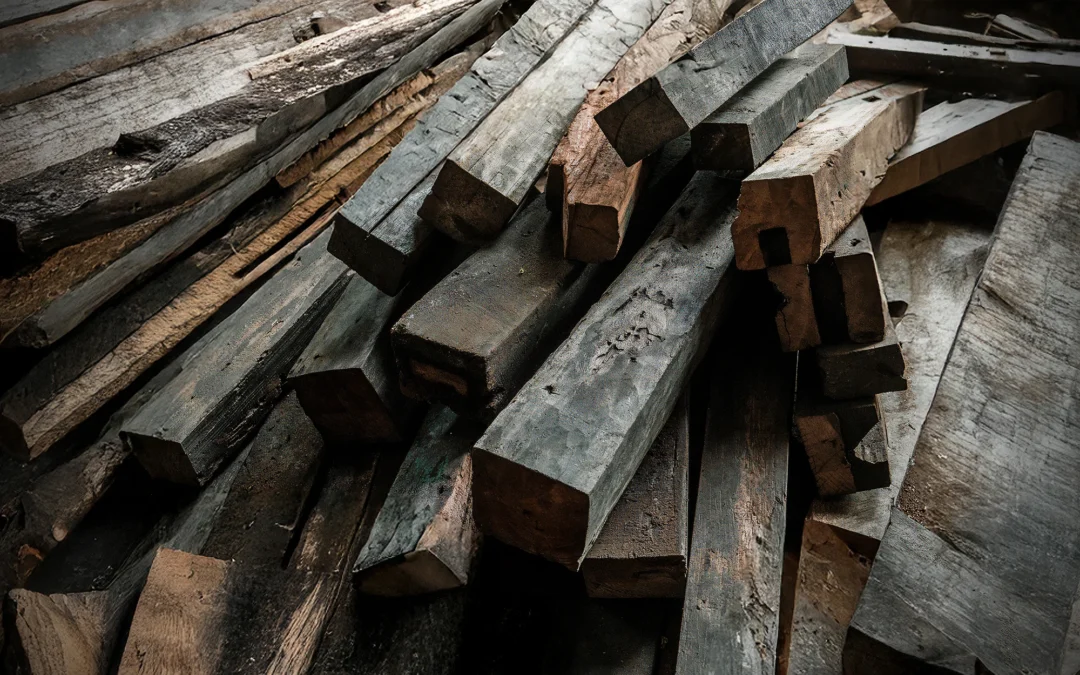
For years, architects and interior designers have seen it simply as heavy old wood, carrying marks and notches from its previous use. They might have always just seen it as the opposite of modern, or just overly decorative, something better suited to country homes or heritage restorations than minimalist apartments, modern hotels, or contemporary retail spaces.
We’ll admit it: all of these perceptions of reclaimed timber have stuck, even though design and sustainability principles have come a long way.
But reclaimed timber is now being used in refined and contemporary interiors as a deliberate material choice that fits easily into modern design language. If the assumption is that reclaimed timber automatically determines a certain look, then it’s definitely time for an update.
Key Takeaway: Key Takeaway: What Does Reclaimed Timber Look Like in Contemporary Interiors?
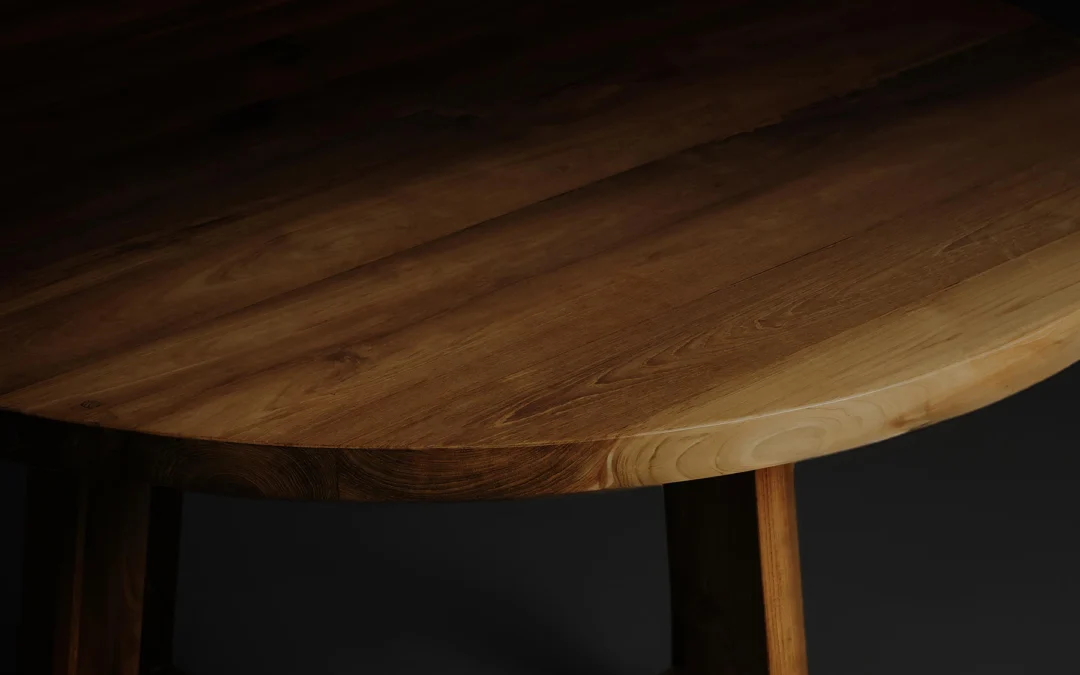
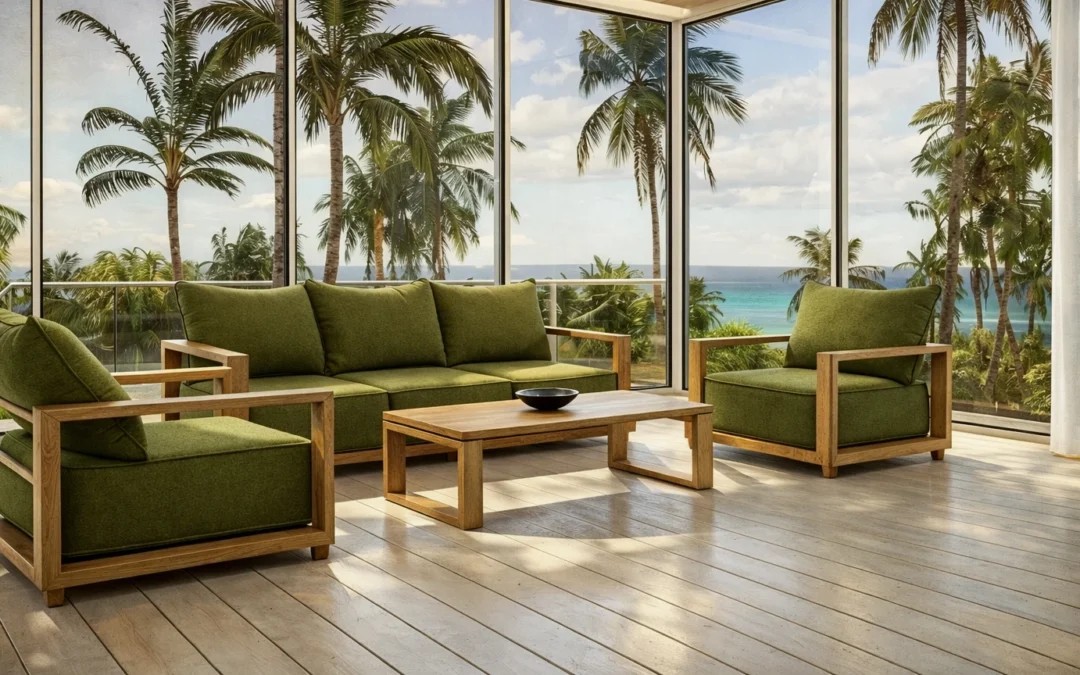
Reclaimed timber In modern interiors, our Alami reclaimed teak furniture, or the pieces we design with you, can look clean, sharp, and stylish. Everything we create is carefully finished, and designed to sit comfortably alongside materials like stone, concrete, glass, and steel. The end result is calm, minimal, and timeless — not rustic or overly decorative (unless you want it to be!)
Why Reclaimed Timber is Still Misunderstood
We reckon this misunderstanding around reclaimed timber just being rustic usually comes down to someone’s exposure.
Early reclaimed projects often stuck with visible roughness and a vintage look, and these examples stuck, even as contemporary designers and architects began using reclaimed timber in far more modern ways.
How Reclaimed Timber is Actually Used in Contemporary Interiors Today
In modern interiors, reclaimed timber doesn’t try to carry a certain look, because with skilled and careful manufacturing and different finishes, it can suit any style required.
You’ll see it in wall cladding that can give a space subtle warmth, and in contemporary furniture with minimalist design. Check out our Alami range and you’ll see exactly what we’re talking about — does this look rustic to you?
When designed and manufactured properly, reclaimed timber pairs easily with polished concrete, steel, and glass. The timber softens the space rather than defining it entirely.
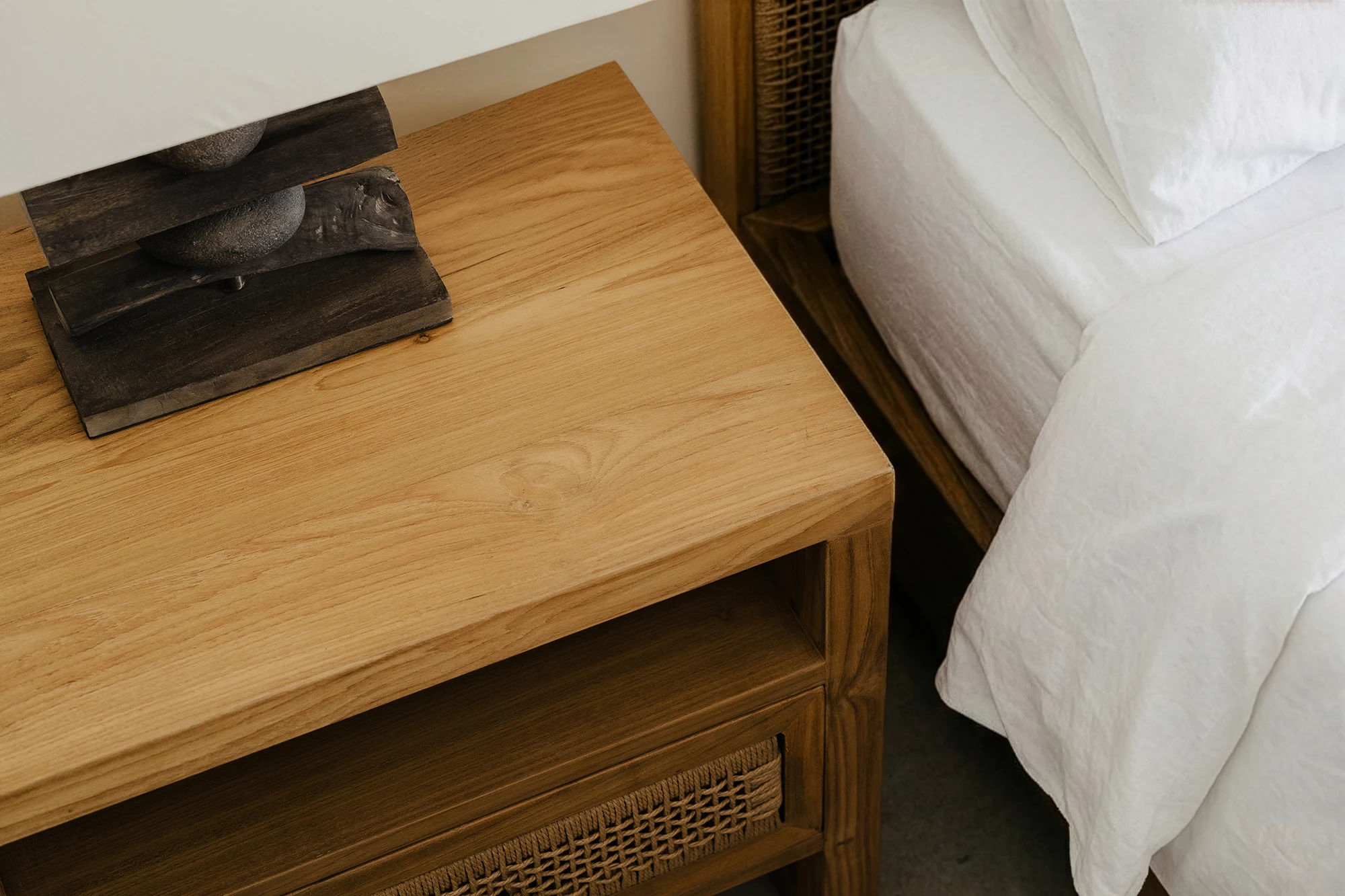
The Role of the Maker Matters More Than the Material’s Past
Let’s be clear about this: reclaimed timber only looks dated when it isn’t handled with care.
Working with reclaimed wood simply needs more skill than working with factory-cut plantation boards. Every piece needs to be assessed, graded, and matched to the right application, be it a table leg or floorboard. It takes time to sand, and make repairs where needed.
When that work is done properly, reclaimed timber performs exactly as it should. Clean lines, strong structure, and a finish that sits comfortably in contemporary spaces.
In terms of style, the difference isn’t age. It’s expertise. Reclaimed timber is all we work with, and we know how to make it look and feel right.
What People Still Get Wrong About Reclaimed Timber
Reclaimed timber is often dismissed for reasons that simply no longer hold up.
It always looks rustic
Reclaimed timber reflects design decisions, not these outdated stereotypes. Clean detailing and modern proportions change everything.
It’s inconsistent and difficult
When handled properly, reclaimed timber is stable and dependable. Problems usually arise from poor grading and rushed processes.
It only works as a feature
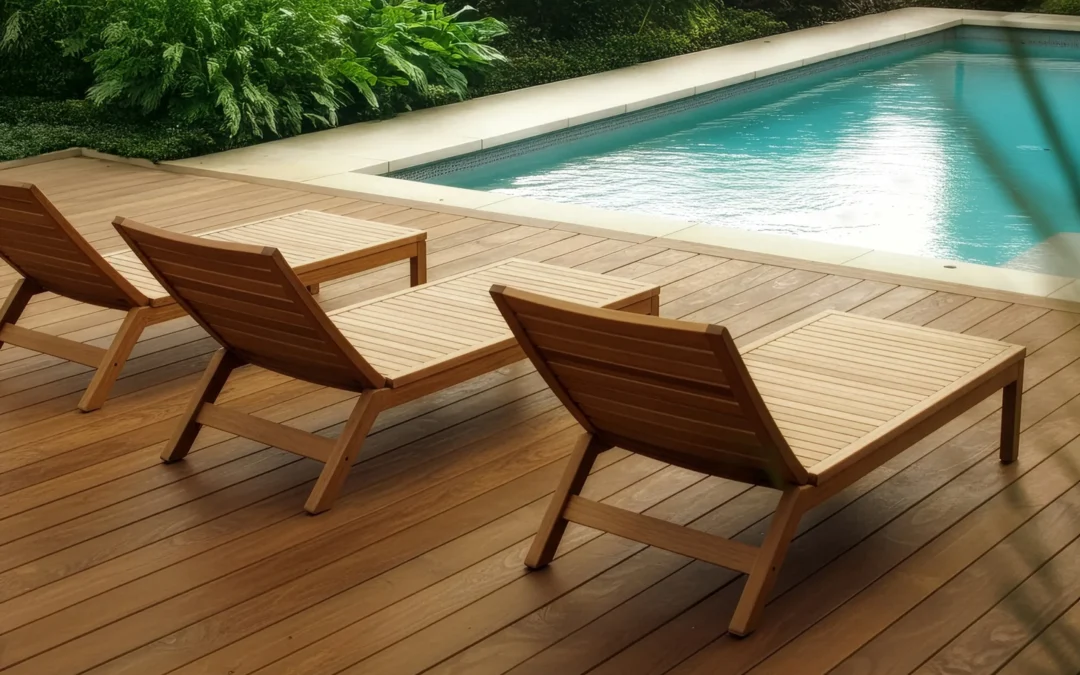
Nusantara Lifestyle uses reclaimed teak for furniture, flooring, decking, cladding, and even homewares, so limiting it to just a feature is a design choice, not a necessity.
It creates darker, heavier spaces
Quite the opposite. With the right design and manufacture, reclaimed timber can create a calm and light atmosphere.
It’s a compromise
Choosing reclaimed timber is a decision to prioritise durability, stories, and sustainability.
We see these assumptions about reclaimed wood across architecture, hospitality, retail, and private homes alike. But in our experience, they tend to fade quickly once people see what we can do with it.
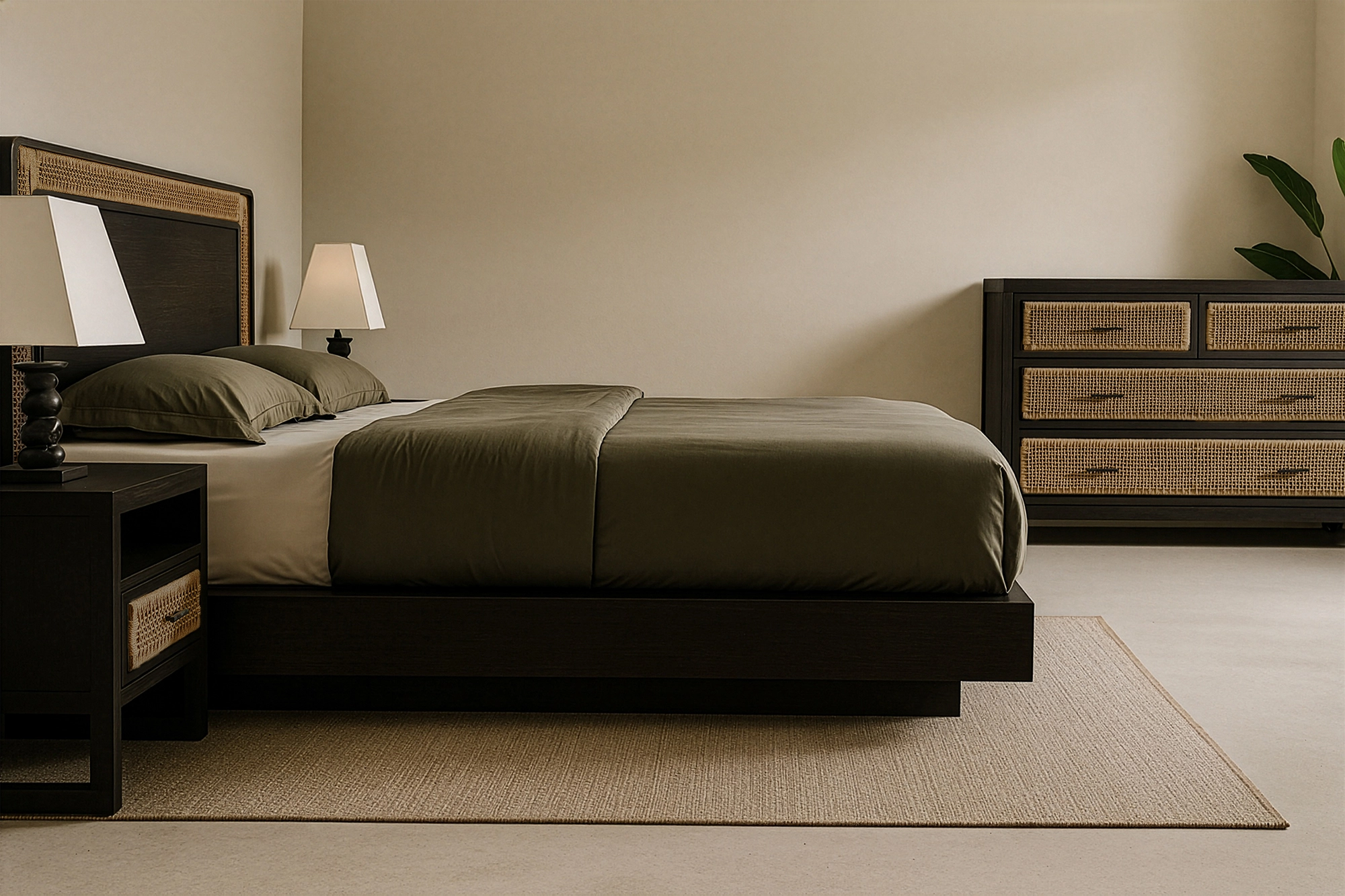
Contemporary Design Fits Perfectly With Reclaimed Timber
Contemporary interiors are most often aiming for balance, openness, and simplicity, and they should all be aiming to be as sustainable as possible. Materials should be chosen for how they age, not just how they photograph.
Reclaimed timber fits with this way of thinking. It has already proven its strength, and its surfaces carry beautiful variations rather than factory-made perfection. It’s not a material that’ll start to warp and crack and chip after a few years, but most likely outlast you.
Still Have Questions?
The questions should no longer be about whether reclaimed timber can be modernised. We’ve already proved that. The next questions should be about whether you’re willing to move past outdated assumptions and design with materials that make the most sense for the future.
If you’re considering reclaimed timber for a contemporary project, or simply want to understand a bit more about how it’s being used today, we’d love to have a chat.