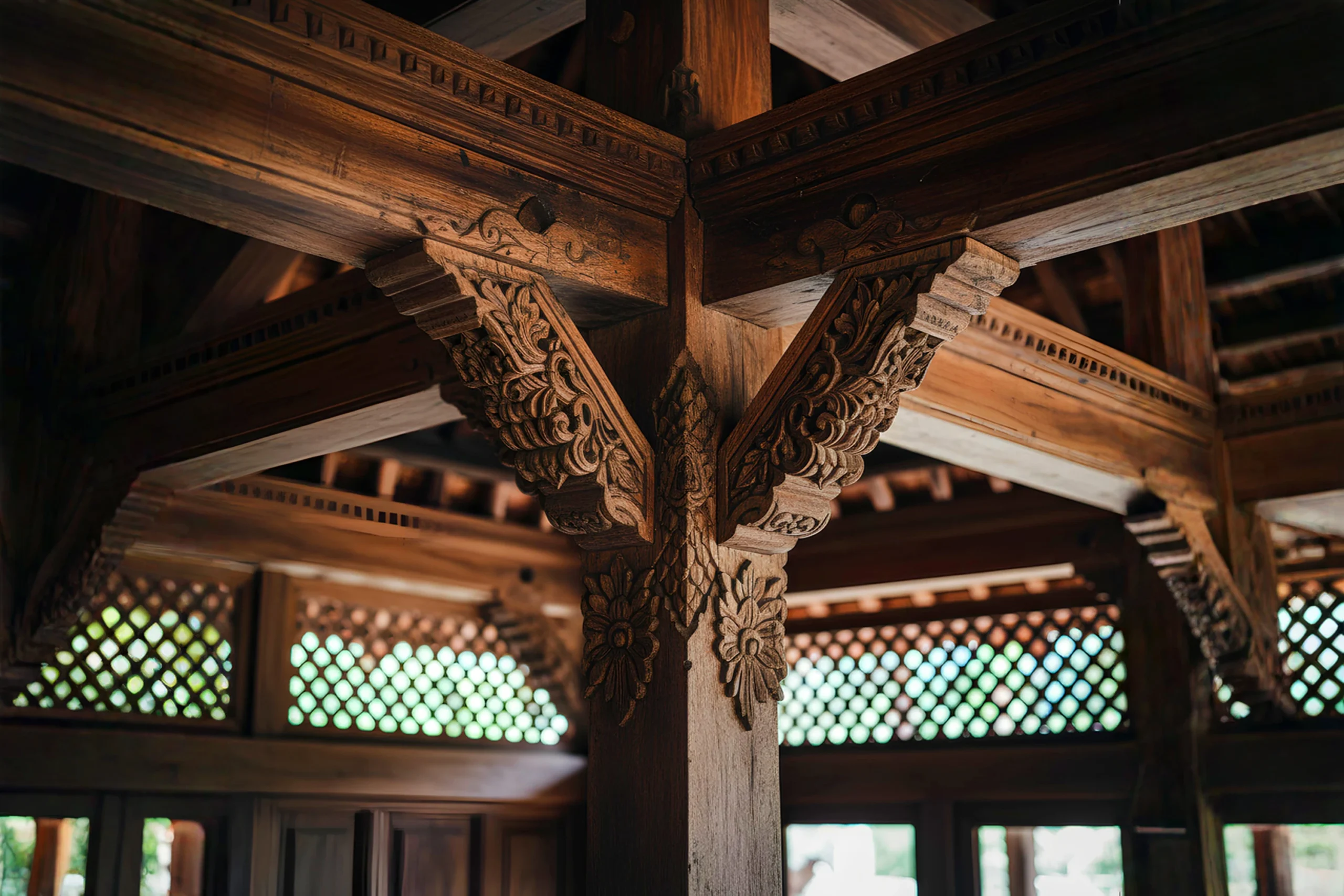
Some people hear “reclaimed wood” and think it means damaged, rustic, or rough around the edges. Truth is, most of them have never even seen what reclaimed teak actually looks like. Especially when that wood comes from old Javanese joglos, which are traditional homes built entirely without nails.
These structures were designed to last for generations, and the joinery that held them together was pure genius. Every joint was carved by hand, every beam cut to fit perfectly with its partner. That’s why the timber we reclaim from them is still standing strong decades, sometimes centuries, later.
So no, reclaimed teak isn’t tired old wood. It’s wood with history and craftsmanship built into its core.
Built to Breathe, Built to Last: The Genius of Javanese Joinery
Joglos were designed for the tropics. The builders knew wood wasn’t something to fight against — it expands, contracts, and shifts with the seasons. Instead of forcing it into place with nails or screws, they used joinery that moved with the climate.
Here’s how they pulled it off:
- Mortise and Tenon (Pasak–Lubang)
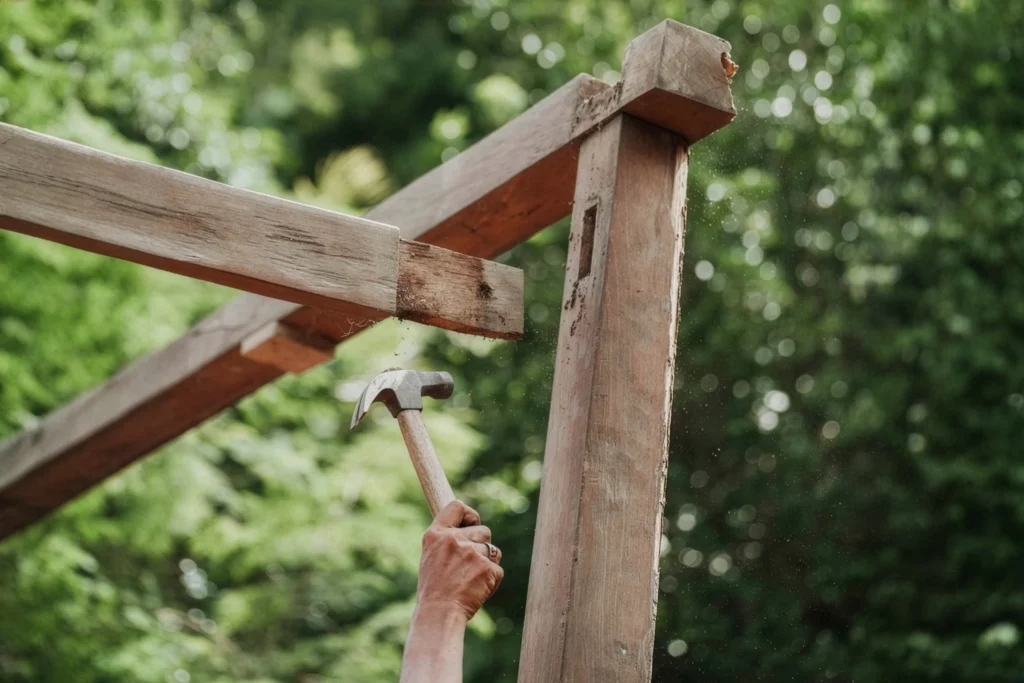
This is the heart of every joglo. Vertical posts are carved with mortises (holes), while horizontal beams have matching tenons (pegs) that fit perfectly inside. Once joined, wooden dowels (pasak) lock everything together. It’s strong, but with just enough give to survive humidity — even earthquakes. - Interlocking and Slot Joinery
No glue, no nails. Many beams were designed to slot together through precise notches. The tumpang sari — that stunning layered ceiling you see in grand joglos — uses this system to balance and distribute weight evenly. It’s part architecture, part art. - Dovetail (Ekor Burung Merak)
Used for decorative paneling and furniture, dovetail joints have wedge-shaped ‘tails that lock the wood together mechanically. They’re elegant and almost impossible to pull apart, which is why many of these joints are still solid today. - Tongue and Groove
Floorboards and wall panels were built this way, allowing the wood to expand and contract naturally. Everything stays tight and seamless, no gaps, no warping, just beautiful precision.
These methods were developed out of a deep understanding of how nature works in the tropics, so we can consider it the original climate-responsive design! And that’s exactly what makes reclaimed teak such an exceptional material for modern furniture.
From Heritage to Home: Giving Joglo Timber a New Life
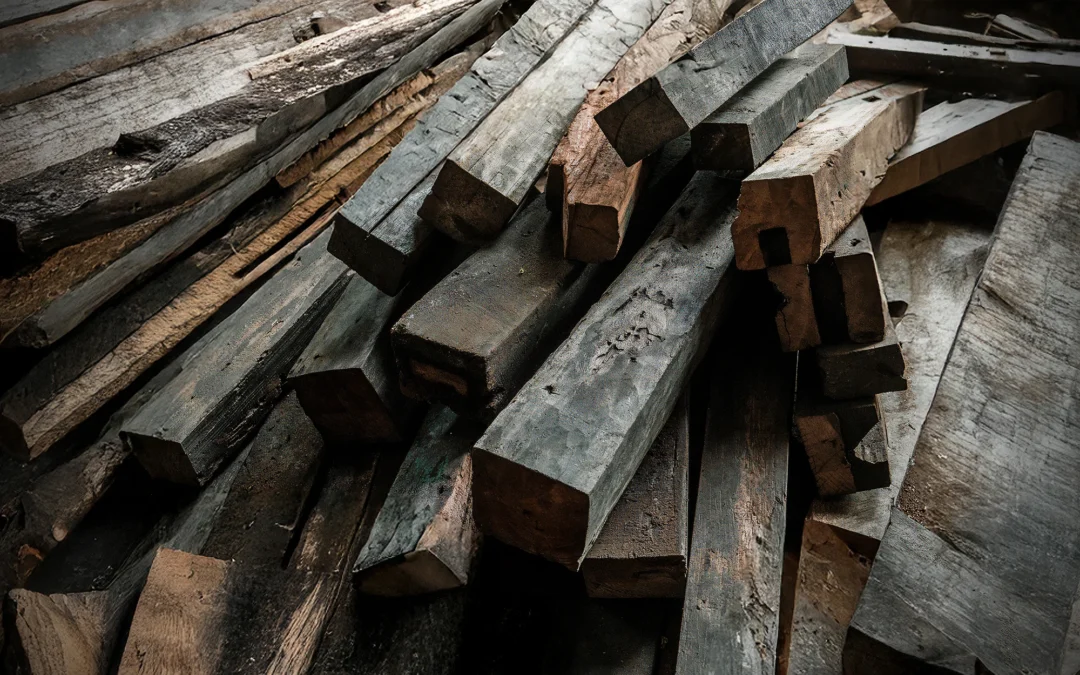
When we reclaim timber from these old homes, we’re not just saving wood, we’re also preserving craft. Every mortise hole, every peg mark tells a story. Those tiny details are proof that this timber has already lived a long, full life.
Some of it comes from structures that have stood for 50, 80, even 100 years. So when people worry that reclaimed wood is weak or “too rustic,” they’ve got it backwards. These joglos were made to be dismantled and rebuilt — that’s the whole point.
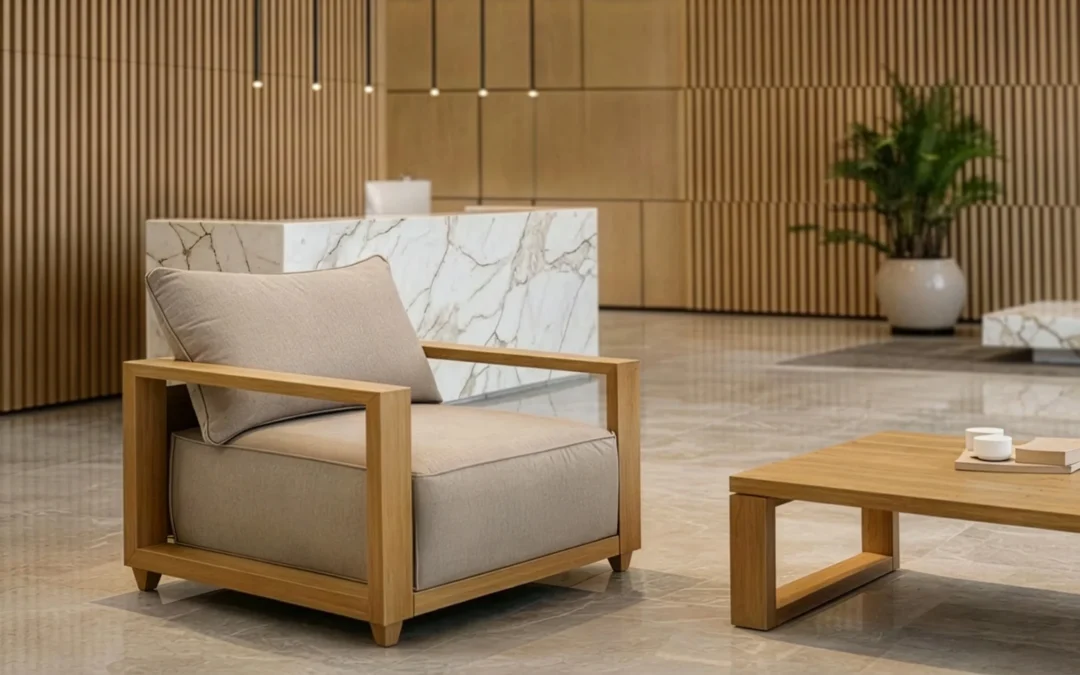
The same precision that made them easy to take apart also made them incredibly strong. That’s why, when our craftspeople rework the timber into new pieces, the result is furniture that’s both refined and rich in history. Not a single centimetre of character is lost.
Marks That Matter: The Beauty in Reclaimed Teak
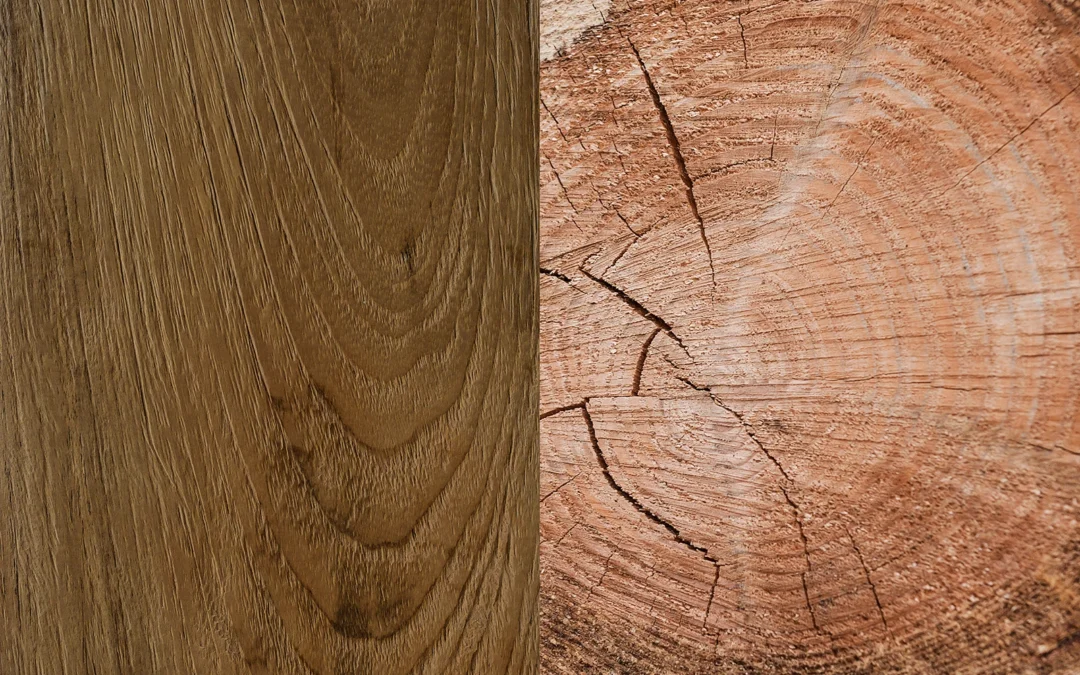
Every mark, groove, or hole you see on a piece of reclaimed teak furniture isn’t a flaw. It’s a fingerprint. A sign that your table or cabinet used to be part of something real — a home that once echoed with life.
Mass-produced furniture might look perfect, but it’s also soulless. The timber’s young, the finishes are synthetic, and everything’s been engineered to look identical. Reclaimed teak, on the other hand, carries its past proudly. It’s got warmth, patterns, and presence.
And the finish? Up to you. Leave it raw and natural, oil it for a richer tone, or go dark and moody with a water-based stain. However you want it, the beauty of reclaimed teak shines through — elegant, timeless, and solid as hell.
Sustainability That’s Already Proven: The Nusantara Lifestyle Way
The most sustainable furniture isn’t made from plantation timber, which we reckon is some of the worst greenwashing you’ll ever see. The most sustainable furniture is made from wood that already exists. Reclaimed teak doesn’t need to be kiln-dried for weeks because it’s already naturally seasoned. It doesn’t rely on monoculture plantations that strip ecosystems bare. It just needs a new story — and that’s where we come in.
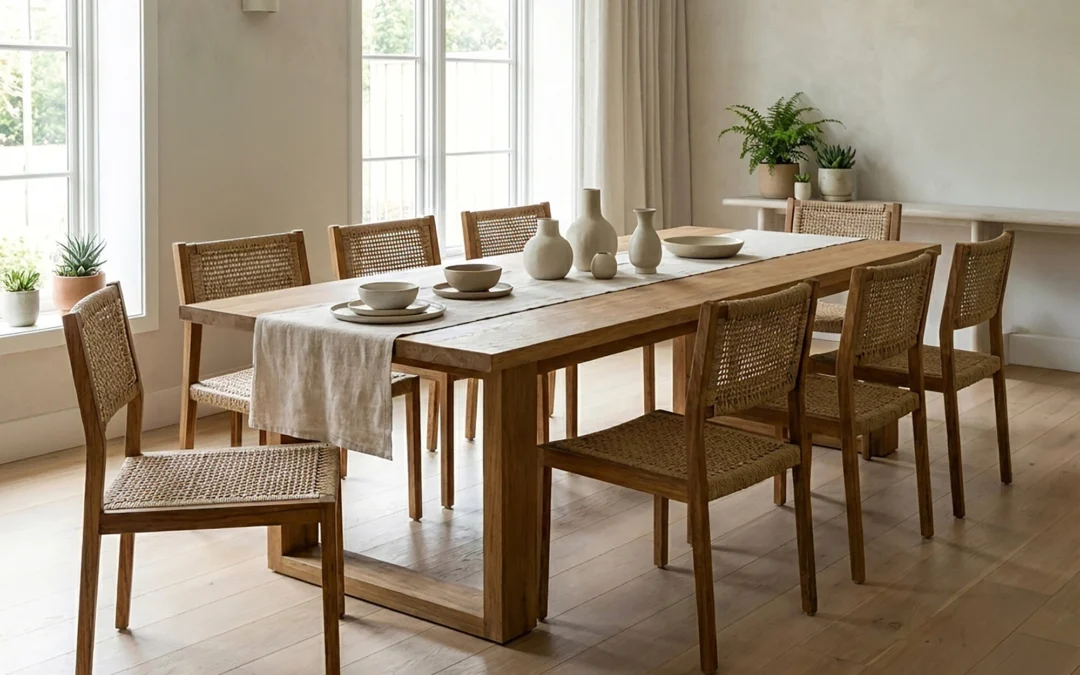
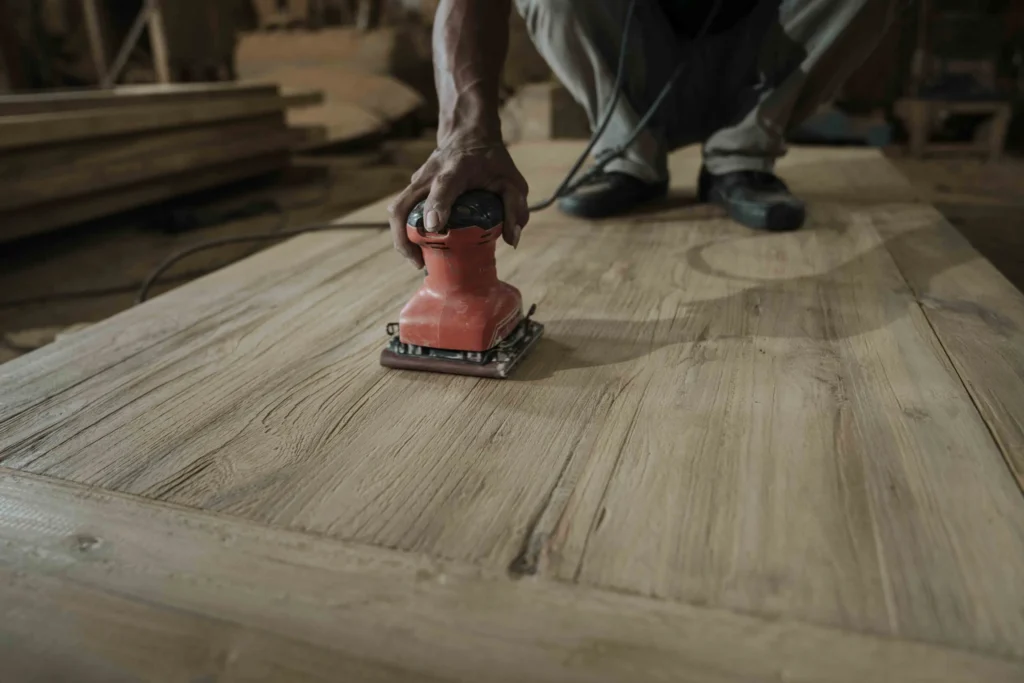
At Nusantara Lifestyle, we turn reclaimed teak from old Javanese homes into furniture that lasts a lifetime. Every piece is handcrafted by our team in Indonesia, using eco-friendly water-based finishes, recycled fabrics, and natural materials such as paper rope.
We’re not here to sell nostalgia. We’re here to prove that reclaimed can look stylish, contemporary, and bloody beautiful.
So next time someone tells you reclaimed wood is damaged or too rustic, tell them this: the joglos that gave us this timber were standing before most of us were born. And they’ll still be standing in your living room, as a table, chair, or cabinet, long after trends fade.
Reclaimed teak isn’t just strong — it’s smart, sustainable, and full of life. That’s why we love it.
Got a project in mind? Whether it’s a custom dining table, a full interior fit-out, or just a one-off piece, we’d love to help you bring it to life. Reach out now and let’s design something together that lasts generations, or take a look at our Alami and Akar range if you’d prefer to go straight with our own designs.