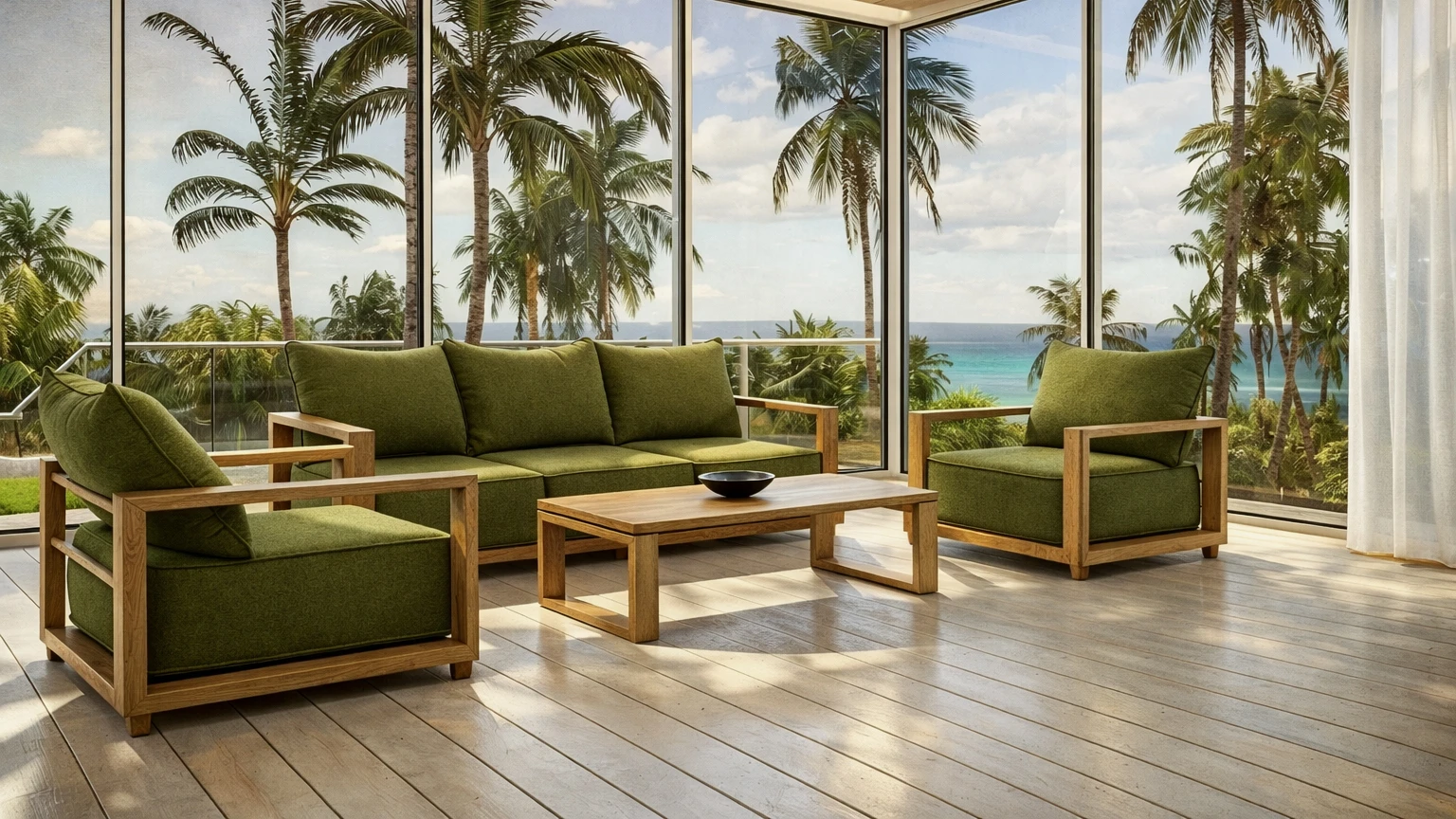
People often assume custom furniture costs a fortune compared to ready-made store-bought pieces, but the truth is much more complicated. Factors like material quality, craftsmanship, longevity, and (yep, it’s true) sustainability all influence cost. Understanding these can help you make smarter, long-lasting furniture choices.
The Cost Question Everyone Asks
We get it. Price is always the first thing on people’s minds when thinking about furniture, whether it’s for a resort or villa or just for their home. “Custom? Must be exie, right?” That’s the assumption. But let’s break it down.
Custom furniture isn’t automatically pricey. What makes it look expensive upfront are factors like:
- Choice of timber or material
- Complexity of design
- Craftsmanship and finishing
- Sourcing and sustainability considerations
Mass-produced furniture often has a cheaper price tag, but here’s a vital reality check: it usually won’t last. Cheap joints, low-quality finishes, and factory shortcuts mean you might be replacing it every few years. So, it’s not hard to figure out that over time, those ‘savings’ actually mean nothing.
Custom furniture, especially when made with durable, tough-as-nails reclaimed timber, can actually be highly cost-competitive if you factor in durability, style longevity, and environmental impact.
Why Mass-Produced Furniture Seems “Cheap”
Mass-produced furniture dominates the market because it’s fast and predictable. But there’s a reason factories churn it out:
- The timber is most often plantation-grown and kiln-dried quickly.
- Joints and panels are designed for production efficiency, not for decades of daily use.
- Finishes are factory-applied, often chemical-heavy, and prone to wear and tear.
With a cute filter, these mass-produced pieces may look nice on Instagram, but in everyday life, they can quickly start to struggle. Humidity, heat, or just your kids or pets climbing on a chair can reveal the cracks very fast.
So while the upfront price might seem low, if the piece needs repairing or replacing in a year or two, the total cost is higher than you think. The fancy term for it is “a false economy”.
The Value of Reclaimed Timber and Custom Build
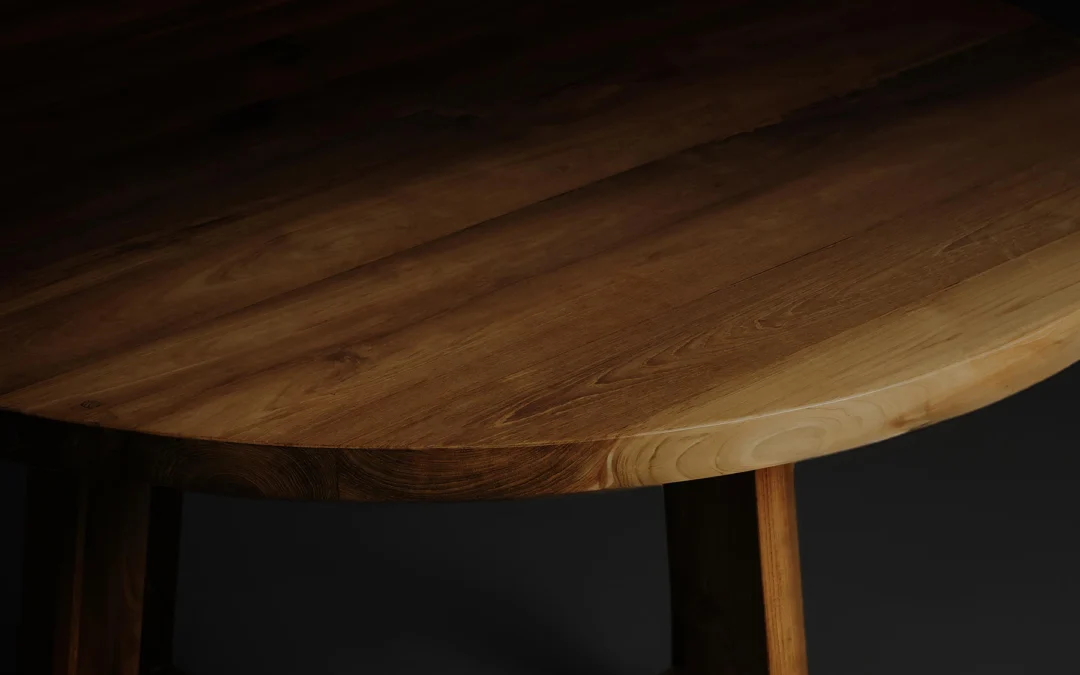
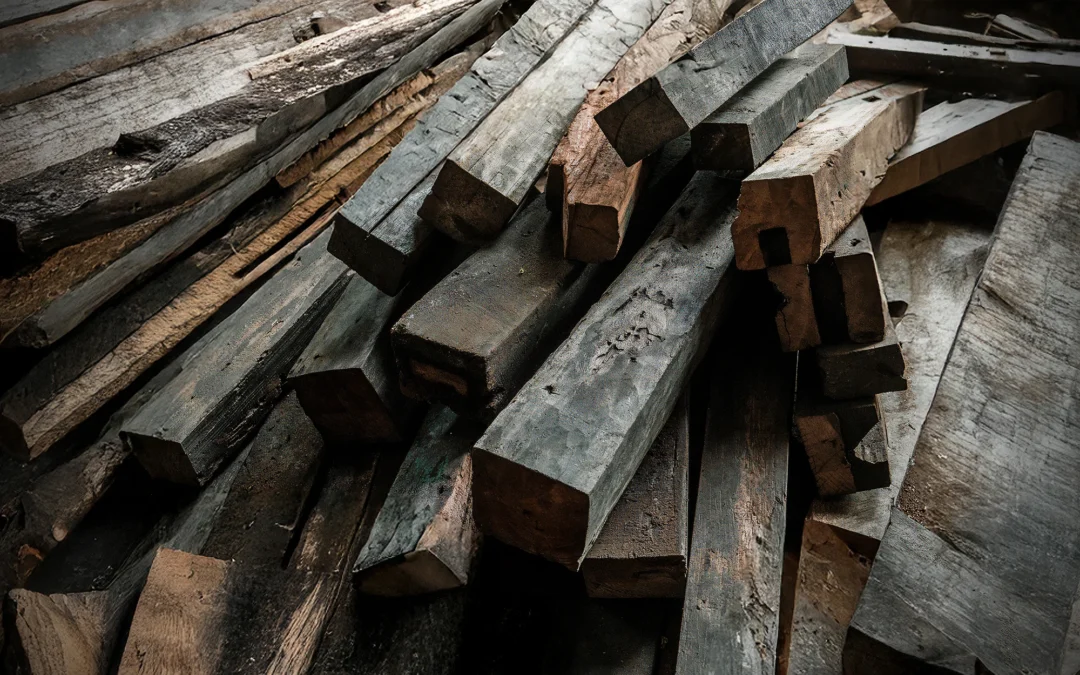
Custom furniture lets you select materials that are built to last. Take reclaimed timber, for example. It’s the only material that Nusantara Lifestyle works with, for all the right reasons:
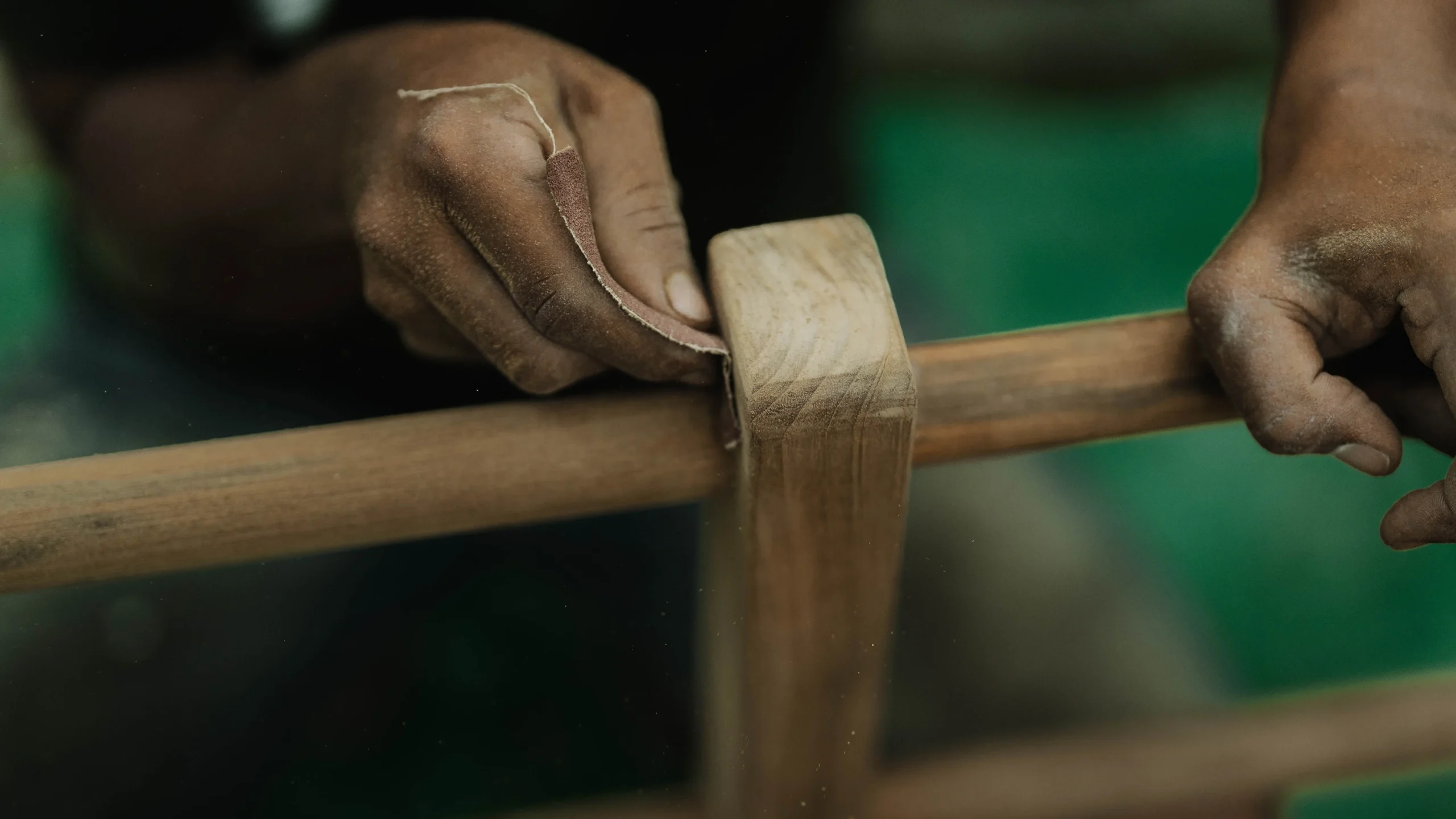
- Pre-dried naturally: Reclaimed wood has spent decades, sometimes even close to a century, drying in real-world conditions, which is a very different drying story to the energy-intensive kiln drying that most plantation timber goes through. Natural drying makes the wood dense, stable, and resistant to cracking and pests. And while there will always be some movement — wood is wood, after all — planks of reclaimed timber will always be stronger than the cheap and nasty stuff.
- Durable and low-maintenance: It handles daily wear far better than new timber, saving money over time.
- Genuinely eco-friendly: We’re using what already exists instead of cutting down new trees. And we don’t just say that. Nusantara Lifestyle is FSC Recycled certified under the Forest Stewardship Council system. That means our reclaimed timber is independently verified as recycled material, not plantation timber dressed up with a green label.
Custom builds also let you design for function and longevity. Doors, drawers, and surfaces are measured and engineered for real use, not just showroom perfection.
What Actually Drives Cost
When you compare custom vs ready-made, price depends on:
- Material Quality: Premium woods, sustainable fabrics, or reclaimed timber cost more upfront, but last decades.
- Complexity: Simple slabs and clean lines are cheaper than intricate, long-lasting joinery.
- Finishing: Water-based stains are more labor-intensive but safer for your home and the environment.
- Sourcing: Sustainable, recycled, or ethically sourced materials might be pricier up front, but it doesn’t take a genius to realise they’re better for the planet.
So, as you can see, if you’re cutting corners on materials and craftsmanship, you’ll save a bit today, but all you’re doing is setting yourself up for replacements, repairs, and frustration down the line.
Myth-Busting: “Custom Furniture Is Always Expensive”
Let’s be honest. Some people still think custom furniture is only for super cashed-up clients. That’s not true.
- Custom doesn’t always mean luxury timber or ornate carvings.
- Working with artisans and smaller companies such as Nusantara Lifestyle allows flexibility in style and budget.
- Lower-grade, cheaper reclaimed wood can be used for less visible pieces without compromising style.
- Mass-produced furniture has hidden costs: it just doesn’t last, zero sustainability to speak of, and huge environmental impact.
So yes, custom can cost more if you choose premium materials and complex designs. But it doesn’t have to, and the long–term benefits far outweigh the initial spend.
Sustainability Should Absolutely be Part of your Cost-Benefit Analysis
Here’s the part most people overlook: sustainability should also be a cost factor, as where you source your furniture can really cost the planet.
Plantation timber, while often marketed as sustainable, is often monoculture:
- Think those plantations were always there? Of course they weren’t. This means a natural environment and animal habitats had to be obliterated to make way for the uniform rows of ‘sustainable’ wood.
- These plantations often rely on chemical fertilisers and pesticides, as well as energy-intensive processing.
But the reclaimed timber we use? Already dried, naturally aged, and full of character. It may take more time and effort to process, but you’re saving on long-term environmental costs and building furniture that actually lasts.
Custom furniture also allows you to choose environmentally conscious fabrics and finishes (we use recycled fabrics in a range of gorgeous colours and water-based stains to suit whatever mood you’re going for). That’s something you rarely get with mass-market pieces.
Tips to Keep Custom Furniture Affordable
Want custom furniture without breaking the bank? Here’s how:
- Be clear about the pieces you need and prioritise high-impact areas.
- Opt for simpler designs; intricate detailing or complex designs add cost.
- Work with makers early — sharing sketches or examples helps streamline production.
- Accept from the very beginning that a slower, more considered process produces better outcomes.
Remember: the upfront cost isn’t the only number that matters. Consider total lifespan, maintenance, environmental impact, and style longevity. That’s where custom often wins.
A Final Reality Check
Always remember that custom furniture isn’t automatically expensive. Mass-produced furniture might look cheaper but often fails in longevity, durability, and sustainability.
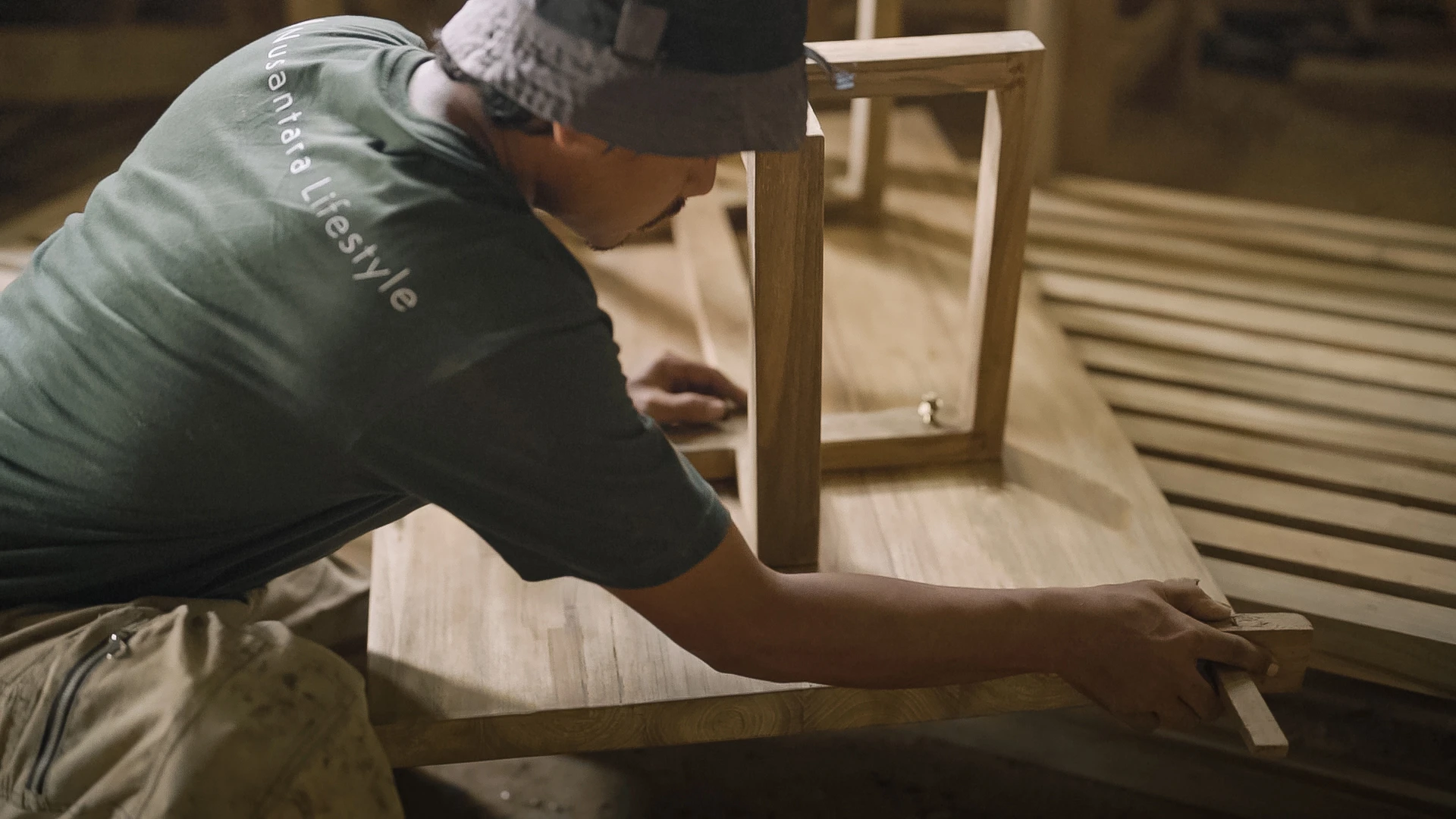
Reclaimed timber, careful design, and thoughtful finishing results in furniture that lasts decades. It may require more upfront effort and cost, but the payoff is huge:
- Less waste
- Fewer replacements
- Truly sustainable materials
- Timeless style
If you’re serious about quality, sustainability, and longevity, custom is the way to go.
Want to explore how custom furniture can work for your home or project? We’re always happy to have a chat.