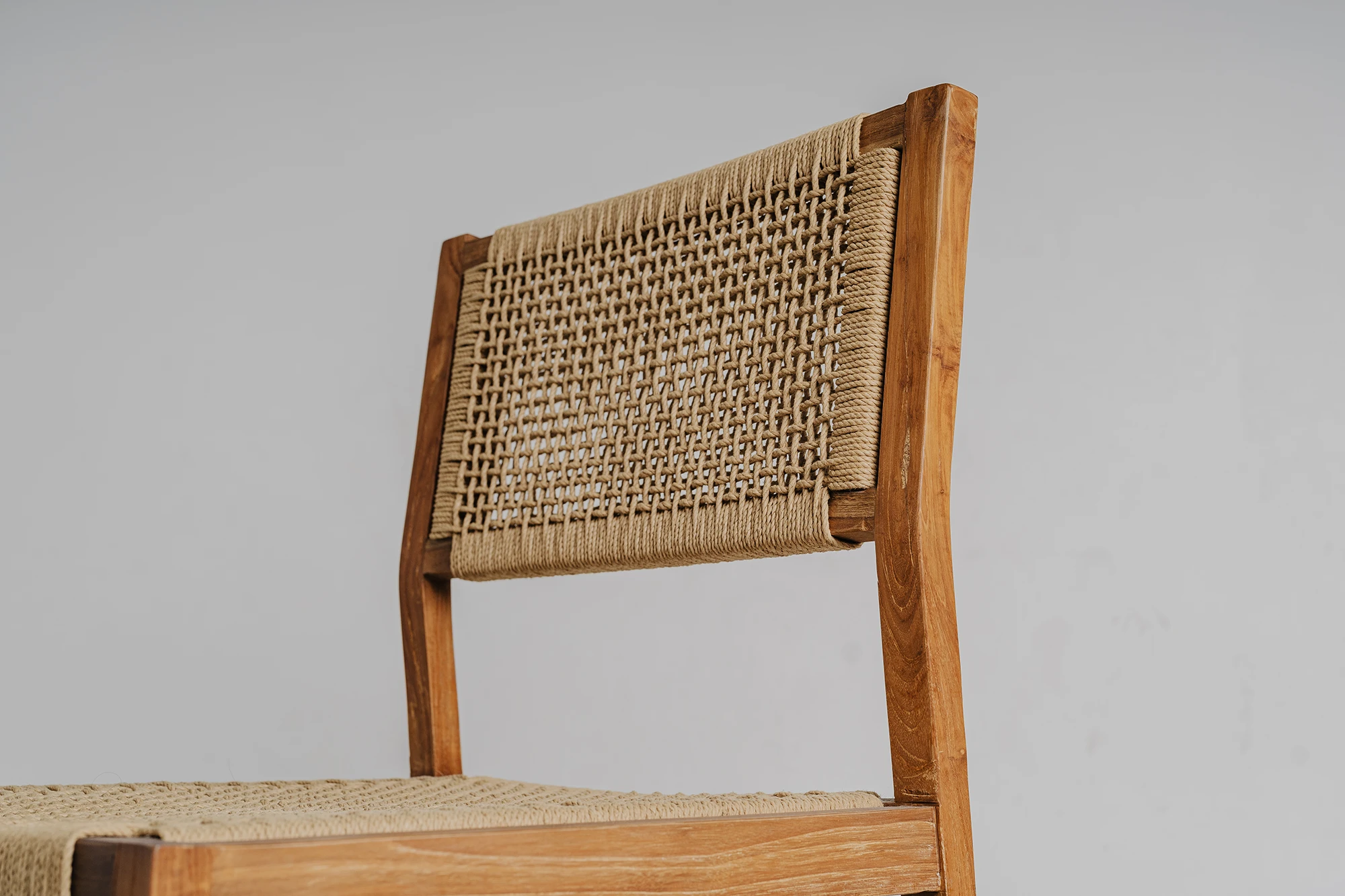
You probably already know that teak is legendary as a hardwood. It’s dense, oily, and naturally built to last. But reclaimed teak? That’s a whole other level.
We’ve seen it hold up for decades, sometimes close to a century, and still look and perform beautifully. So what gives reclaimed teak its near-mythical durability? Pull up a chair (preferably one made from reclaimed teak) and let’s dig in.
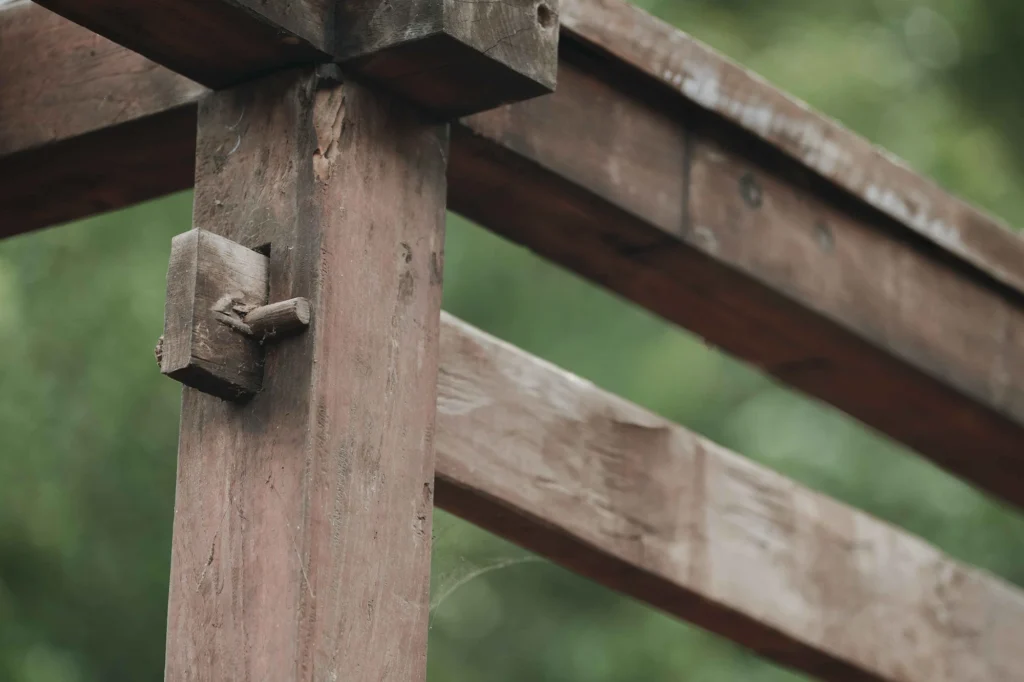
The Science Behind Teak’s Strength
Reclaimed teak’s durability comes from a combination of natural chemistry, physical structure, and age.
1. Natural Oils (Tectol and Lignans)
Teak contains natural oils and compounds such as tannins, lignans, and a special oily substance called tectol. These are like the wood’s internal armor:
- Pest resistance: The oils repel termites and other wood-boring insects. In lab tests, teak is one of the few timbers that naturally resists most common pests without chemical treatment.
- Moisture resistance: The oils make the wood water-repellent, so it won’t absorb moisture and swell easily. That’s why outdoor teak furniture can withstand rain or humidity with minimal warping.
- Decay resistance: These compounds slow down fungal decay, extending the wood’s lifespan dramatically.
2. Density and Grain Structure
Teak is a dense hardwood, meaning it has tightly packed fibers and a high specific gravity. High specific gravity basically refers to a material that is heavy for its size. When we’re talking wood, high specific gravity means how much mass is packed into a given volume.
- For teak, a specific gravity of 0.6–0.75 g/cm³ means that each cubic centimetre of wood weighs 0.6 to 0.75 grams.
- This correlates directly with density: the more mass per unit volume, the denser the wood.
What this does:
- Makes it harder to dent or scratch compared to softer woods like pine or oak.
- Gives excellent dimensional stability as it’s less prone to shrinkage or expansion when humidity changes.
- Works with wear: everyday use, kids, pets, or moving furniture around isn’t a threat.
3. Natural Drying Over Decades
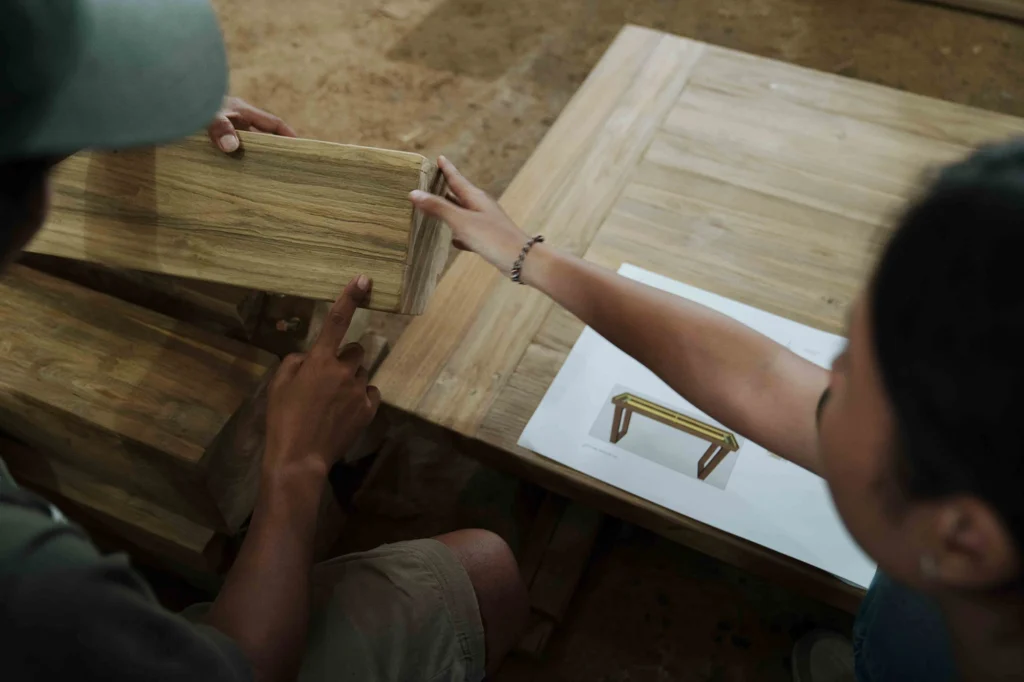
New teak is kiln-dried in weeks, which works but can leave residual moisture and stresses in the timber. The reclaimed teak we use has often spent 50–100 years naturally drying in traditional Javanese homes. The benefits:
- Deeply seasoned timber: Moisture content drops to a naturally stable level (around 8–12%), which minimises warping and cracking.
- Enhanced hardness: Fibers tighten over time, making the wood even more robust than newly cut teak.
- Oil penetration: Over decades, natural oils permeate the wood, boosting resistance to pests and moisture even further.
The Craftsmanship Factor
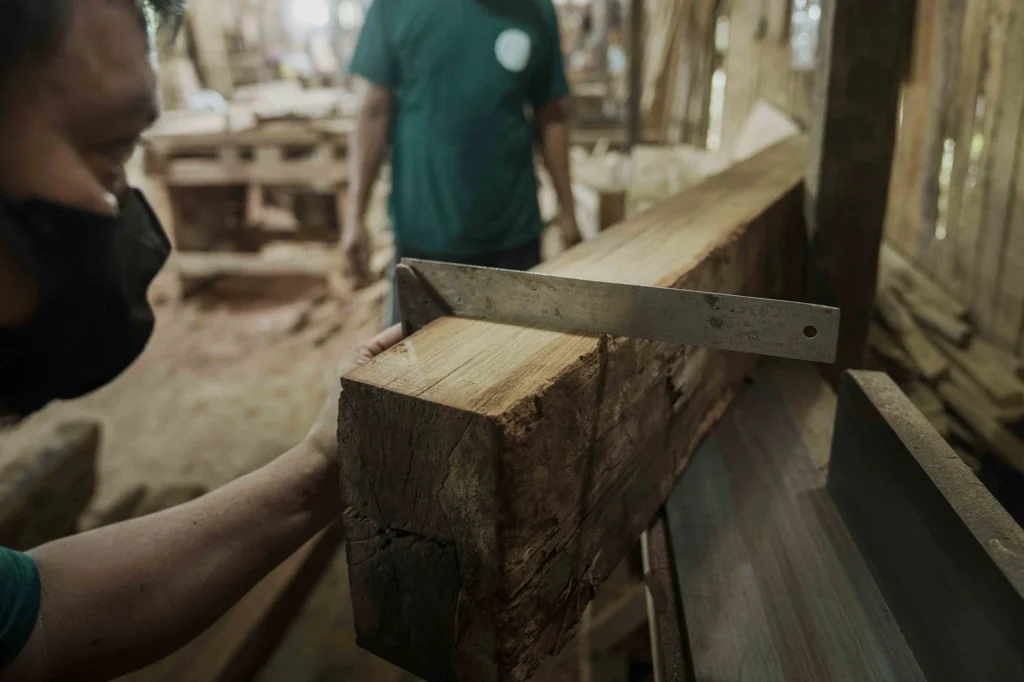
Durability isn’t only about the wood itself. How it’s salvaged, treated, and repaired makes a huge difference. At Nusantara Lifestyle, every board is handled with care: sorted, cleaned, planed, and joined by skilled craftspeople. These are people who have spent years mastering how to get the most out of reclaimed teak.
Nothing is rushed. Every cut and joint is deliberate, adding another layer of resilience.
If you want a deeper look at all the steps of how we reclaim our timber, check out this article, or click over to our YouTube channel to watch the documentary we made about our reclamation process.
New Furniture vs Reclaimed Teak Furniture
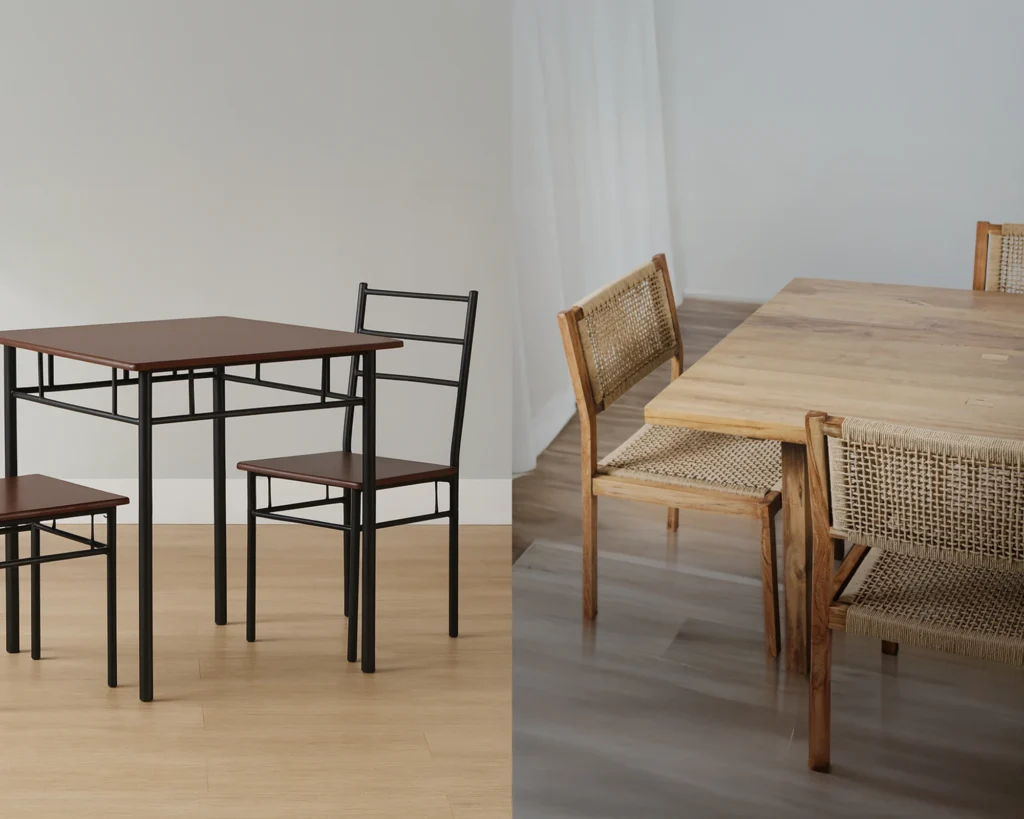
Here’s a simple comparison to show why reclaimed teak is the smarter, stronger, and more sustainable choice:
| Feature | New Furniture | Reclaimed Teak Furniture |
| Drying process | Kiln-dried over weeks | Naturally dried for decades, sometimes nearly a century |
| Strength & stability | Can warp, crack, or shrink | Extremely dense, stable, and resilient |
| Resistance to moisture/insects | Lower; often requires harsh coatings | Naturally oily and resistant |
| Environmental impact | Plantation timber; new trees felled | Uses timber already in circulation; no new trees cut down |
| Character & tones | Smooth, uniform, often “manufactured” | Rich history, marks, grain variation; authentic |
| Lifespan | Moderate; may need replacement in years | Long-lasting; can endure decades of heavy use |
This table sums up the big win for reclaimed teak: it’s stronger, eco-friendlier, and gets better with life, instead of worse.
Everyday Examples You Can Relate To
To bring it closer to home:
- That coffee stain you thought would ruin your table? Adds personality, doesn’t ruin it.
- Kid scratched the surface with crayons? Only adds to the story.
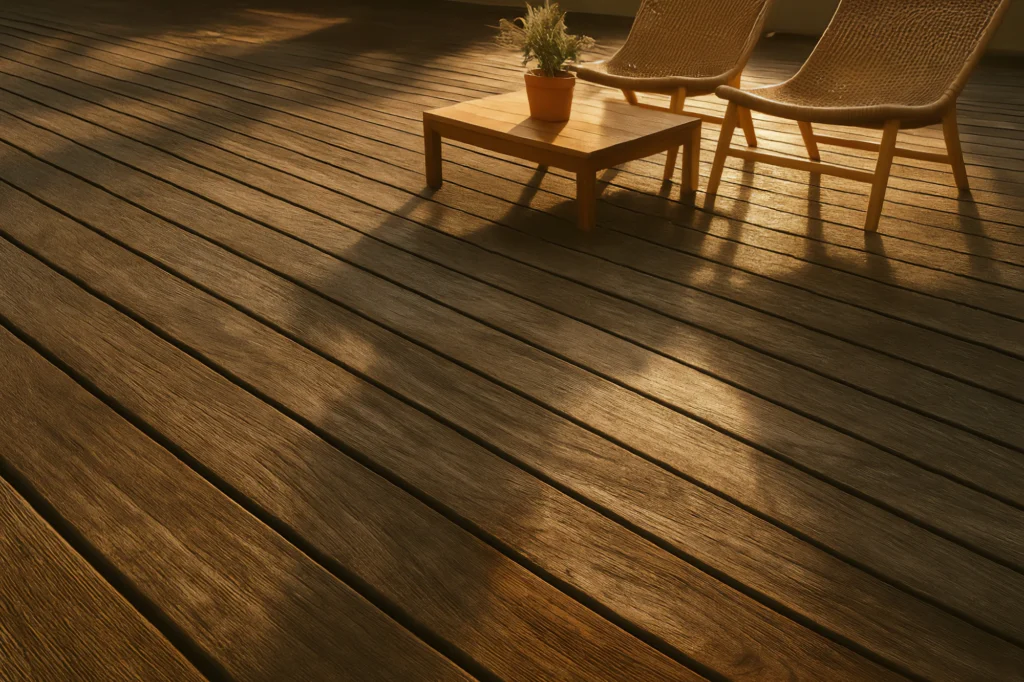
- Outdoor deck with shoes, sand, rain, and barbecue spills? Still going strong.
Final Thoughts
Reclaimed teak is the ultimate combination of beauty, practicality, and resilience. Its natural density, oils, decades of natural drying, and careful craftsmanship make it an unbeatable choice for furniture that lasts, and keeps looking good while doing it.
If you’re looking for pieces that will genuinely survive everyday life, stand up to the elements, and gain charm over decades, Nusantara Lifestyle’s Alami furniture collection and Akar reclaimed teak flooring, decking and cladding range are ready for the job. Every board carries history, character, and durability — plus a bit of subtle personality that comes from living life for decades before it even reached your home or business.