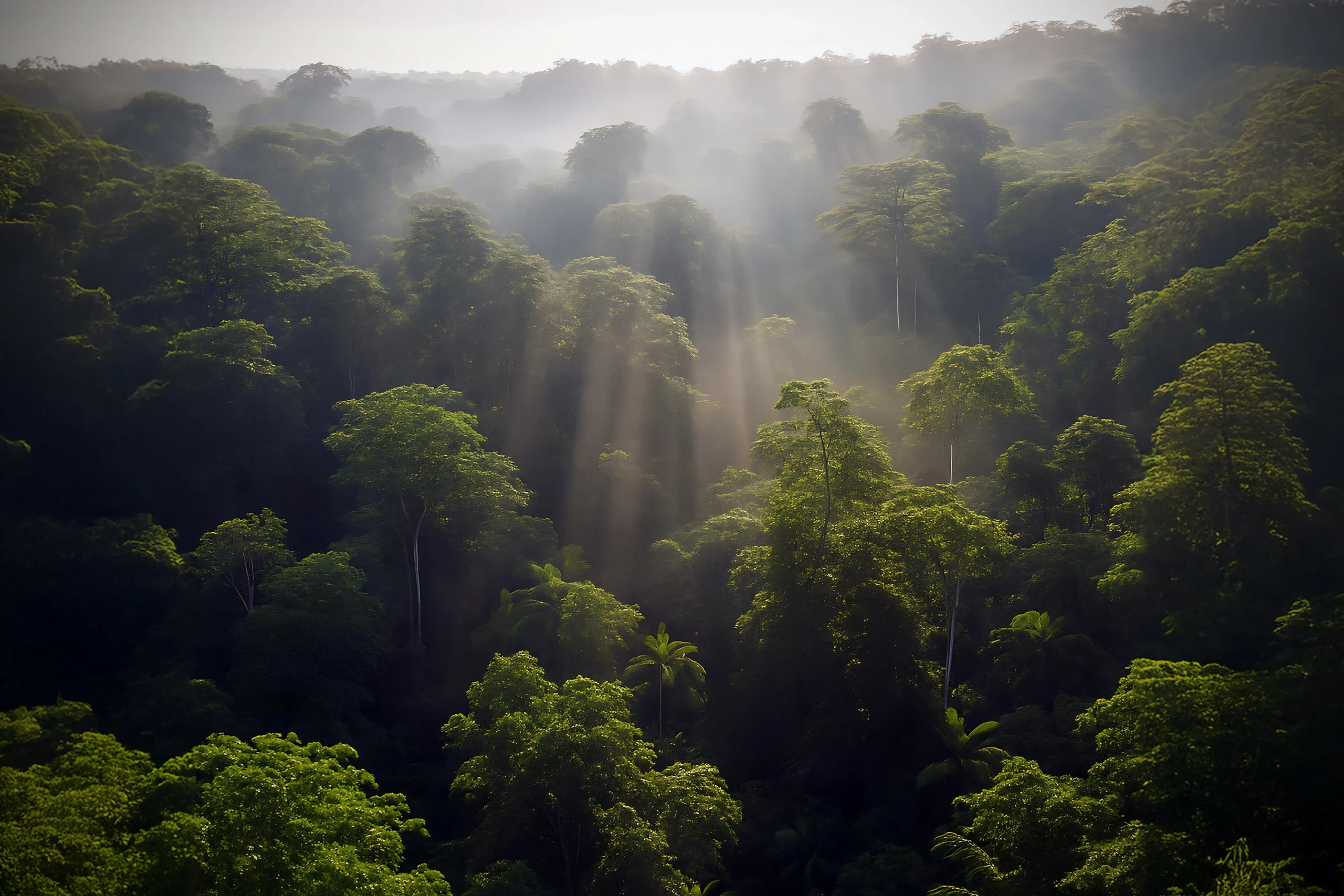
Indonesia’s rainforests are something else. They’re some of the most biodiverse places on the planet, home to orangutans, hornbills, tigers, sun bears, and a bunch of other creatures you don’t want to see disappear. They also store a mind-blowing amount of carbon, keeping the planet cooler and regulating rainfall across Southeast Asia.
The Nusantara Lifestyle team, alongside our storytelling partner PORTRAY, has spent a lot of time documenting these incredible landscapes for our mini documentary series, Living the Nusantara Lifestyle.
So why are we chopping them down?
A big part of it comes back to timber. And one of the sneaky culprits? Furniture.
That ‘sustainable’ dining table you’ve got your eye on? There’s a good chance it came from a tree that was standing in Sumatra or Kalimantan not too long ago. It’s not always obvious, but furniture choices can either add to the problem… or actually help prevent it.
The Ugly Truth: Furniture and Deforestation
Cheap furniture and rainforest destruction go hand in hand. Here’s why:
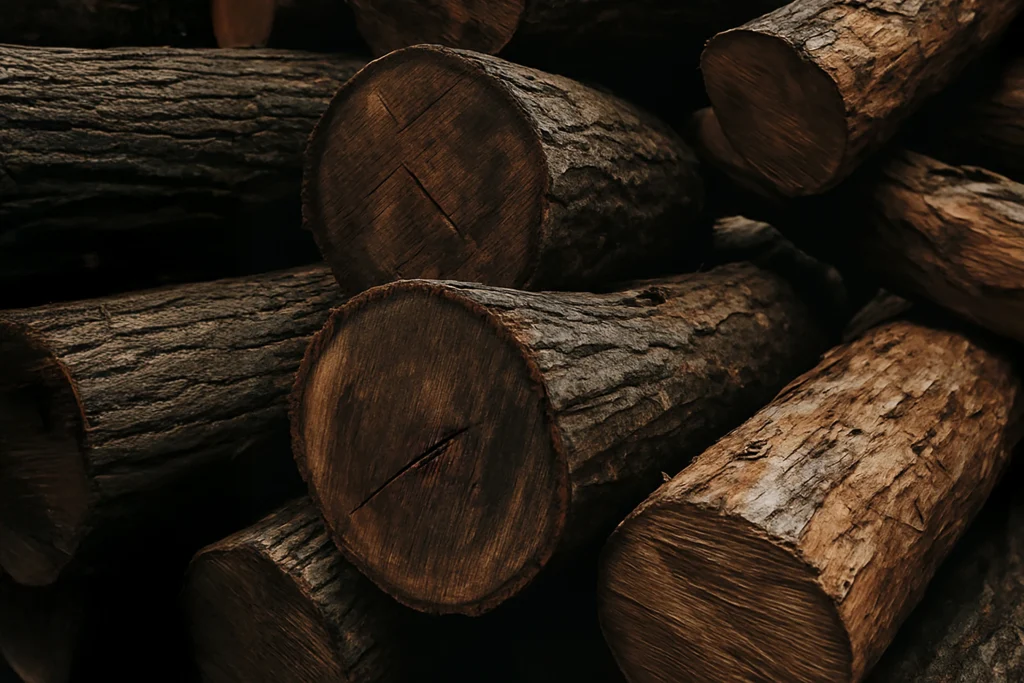
Fresh-cut hardwoods – Much of the world’s low-cost hardwood furniture still depends on tropical timber harvested in Indonesia, Papua New Guinea, and the Amazon, often from rainforests that are already under severe pressure.
Monoculture plantations – Many so-called ‘sustainable’ plantations are vast monocultures of teak or acacia that replace natural forests, eroding biodiversity and degrading soil and water systems.
Short lifespans – The ‘fast furniture’ cycle means buy cheap, toss it out, buy again. Each replacement drives more logging and waste, keeping the cycle of destruction alive.
Indonesia still loses hundreds of thousands of hectares of rainforest every year — around 242,000 hectares of primary forest in 2024 alone. That’s orangutan habitat gone. Carbon storage gone. Indigenous land gone. Often for wardrobes and coffee tables that last about as long as a dodgy holiday romance.
This cycle of fast furniture is no different from fast fashion. It creates mountains of waste, drives demand for new raw materials, and keeps global supply chains hooked on destructive logging.

Plantation Timber Does NOT Equal Sustainable
Let’s be real. Plantation timber isn’t the golden ticket it’s made out to be.
Plantation systems farm teak, acacia, or eucalyptus in neat rows, stripping out biodiversity and degrading soil. Sure, new trees grow, but entire ecosystems are destroyed in the process.
It also takes decades for those plantations to mature, which means in the meantime… yep, the chainsaws keep running in natural forests.
Even FSC certification isn’t perfect. It can reduce risks but doesn’t always guarantee zero deforestation. That’s why many sustainability experts argue that the only truly circular choice is reclaimed wood.
So no — plantation timber doesn’t cut it (pun intended).
The Better Way: Reclaimed Teak
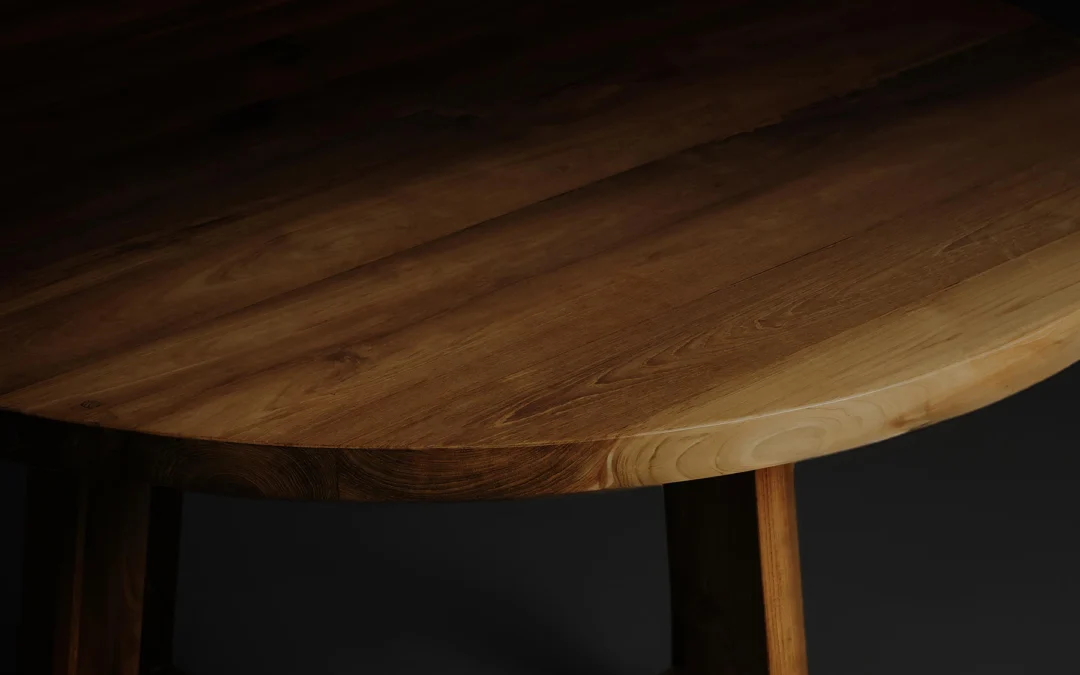
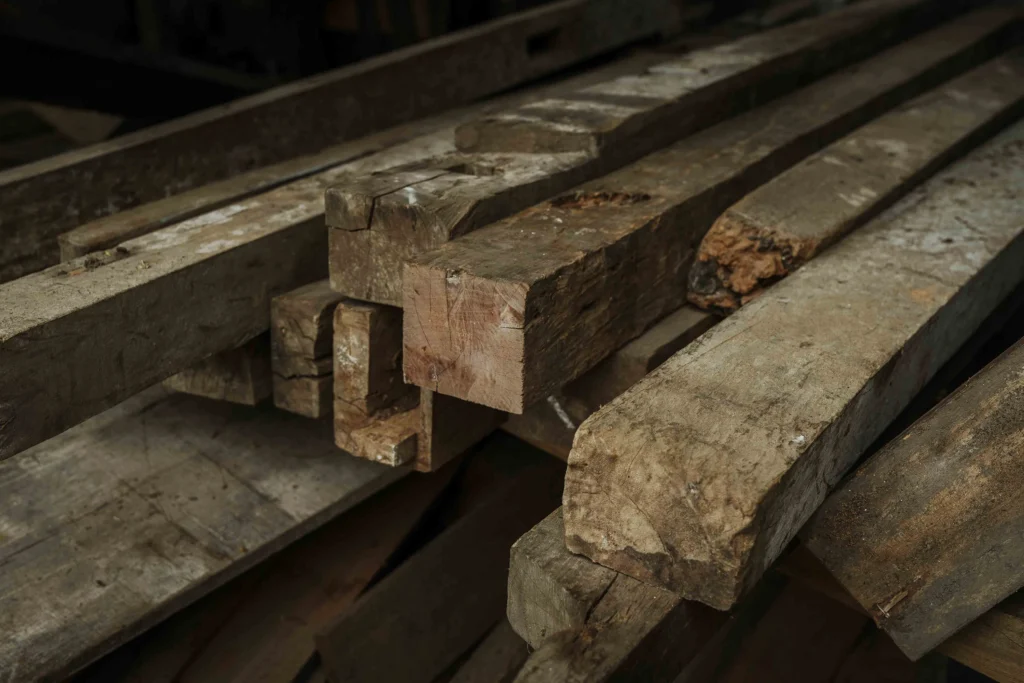
Here’s where things get good. Instead of chopping down new trees, reclaimed teak uses timber that already exists. We salvage it from old Javanese houses, then give it a new life as furniture.
Why it works:
- Zero deforestation – Not one tree is cut.
- Naturally strong – Decades of air-drying means reclaimed teak is tougher and more stable than fresh-cut wood.
- Full of character – Knots, grain, and weathering tell a story. That’s history in your furniture.
- Actually sustainable – No greenwashing. Just working with what we’ve already got.
By choosing reclaimed wood furniture from Nusantara Lifestyle, you’re saying no to illegal logging, no to monoculture plantations, and yes to a circular, slower way of living.
Fast Furniture vs. Reclaimed Teak
| Feature | Fast Furniture | Reclaimed Teak Furniture |
| Lifespan | 2–5 years (if you’re lucky) | Decades, even generations |
| Materials | MDF, chipboard, veneers | Solid reclaimed teak |
| Environmental Impact | High: landfill + emissions | Low: reuse, no new trees cut |
| Repairability | Hardly worth it | Easy to refinish or fix |
| Aesthetic | Generic, mass-produced | Unique, full of story |
Interior Benefits Beyond Sustainability
Reclaimed teak isn’t just an environmental win. It also makes better design sense:
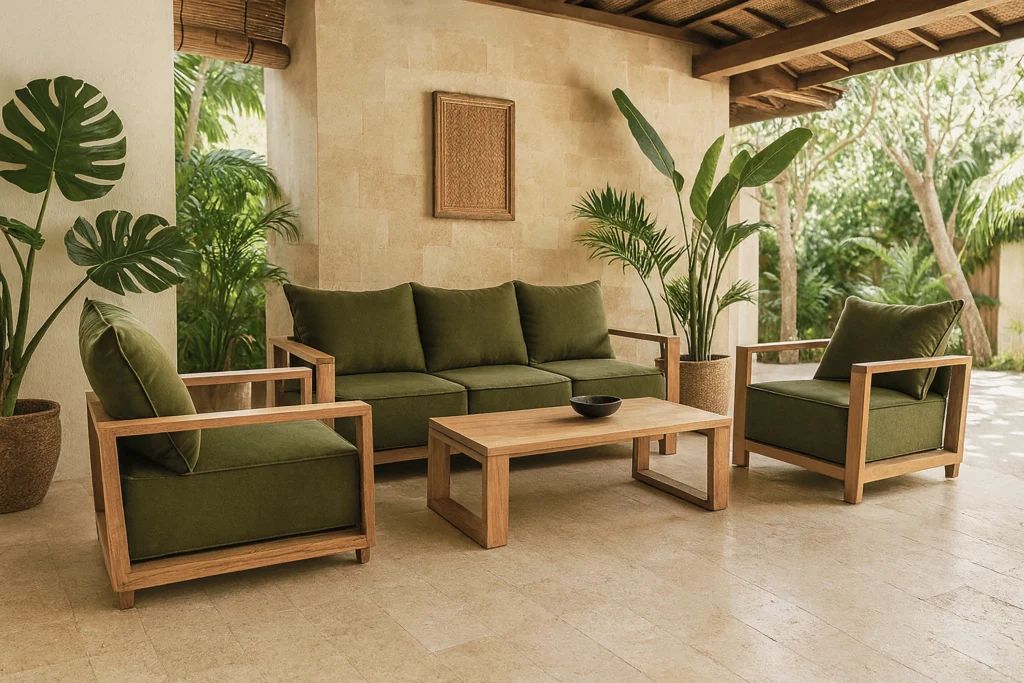
- Timeless style – Works across interiors, from minimalist apartments to tropical villas.
- Durability – Unlike MDF and veneers, it can handle humidity, kids, and daily use.
- Wellness factor – Natural materials like teak create a sense of warmth and calm, without releasing chemical fumes into your home like synthetic boards do.
Yes, that’s right: your furniture could literally be polluting the air you breathe. Those fumes come from the glues and resins used in particleboard and MDF, which release volatile organic compounds (VOCs) into the air. Choosing reclaimed wood means a healthier home.
That’s why architects, designers, and boutique hoteliers are increasingly turning to reclaimed materials, because they offer both aesthetic depth, a lighter footprint, and healthier inhabitants!
What You Can Do
If you want your furniture choices to actually help preserve rainforests (not destroy them), here’s the checklist:
✅ Go for reclaimed or recycled wood — not “plantation teak” with a glossy green label
✅ Choose solid joinery over glue and screws
✅ Look for brands that show you the source of their materials. If they can’t tell you, that’s a red flag
✅ Support local craftspeople who are keeping traditional skills alive
✅ Buy fewer, better pieces instead of cycling through cheap replacements
Even small shifts matter. If thousands of households chose reclaimed over new teak, the pressure on Indonesia’s forests would drop.
Final Thoughts
Here’s the bottom line: Indonesia’s rainforests are too important to be chewed up for another throwaway bookshelf.
If you want furniture that looks good, lasts decades, and doesn’t cost the planet its lungs — choose reclaimed. It’s that simple.
At Nusantara Lifestyle, that’s exactly what we do. We work with reclaimed teak salvaged from Javanese houses, turning it into furniture with soul, history, and strength you can feel. No plantation timber. No greenwashing.
Feel good about using wood. And help keep Indonesia’s rainforests standing while you’re at it.
Ready to make the switch? Explore our Alami and Akar range now.